

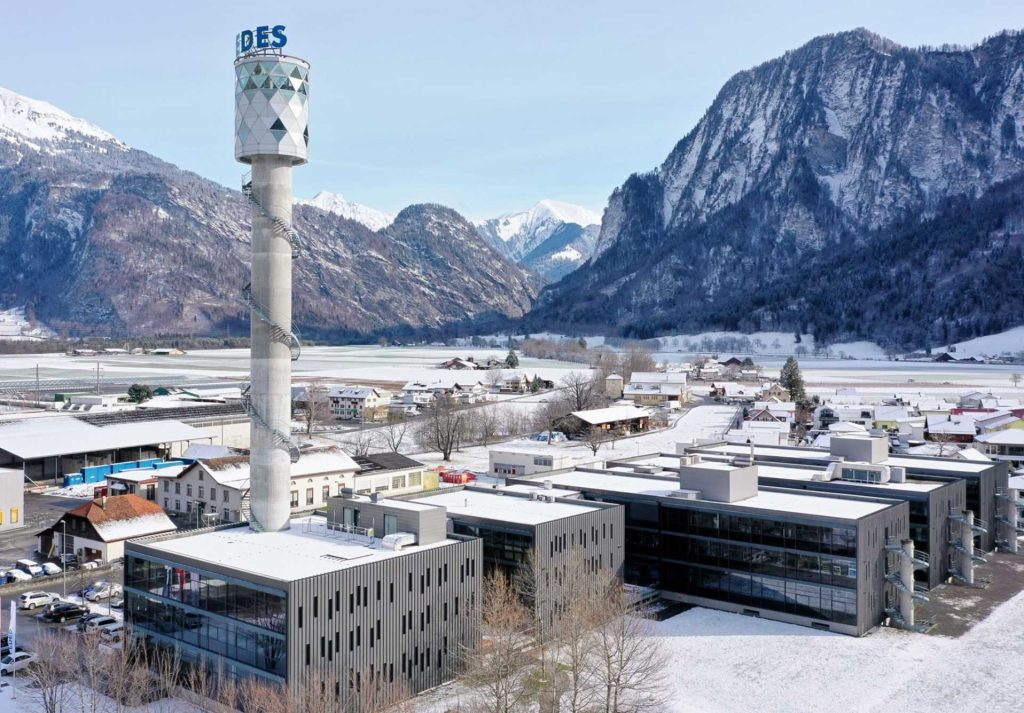
Feature image: CEDES headquarters in Landquart, Graubünden, Switzerland
CHF 700 per unit for 10,000 units annually: a bold deal that transformed CEDES into a global business and demonstrated how high-tech innovation can scale.
CHF 700 per unit. That was the maximum price. In return, Schindler offered to purchase 10,000 light curtains a year. For the young company CEDES, this was an enormous opportunity—even though no one knew whether the system could be produced at that price. Founder Beat De Coi, an entrepreneur through and through, agreed anyway.
Christian-Erik Thöny, now Chairman of the Board of the CEDES Group, recalled: “He had no idea whether he could pull it off, but he said yes.” Beat returned to his engineers – and together they found a solution.
That commitment became a product, and the product became a global industry standard. CEDES went on to supply virtually all major lift manufacturers. At its peak, the company held a global market share of around 20-25% in this segment.
The story illustrates what high-tech companies need to succeed: an idea must do more than work. It must be manufactured, tested, marketed, and deployed reliably thousands of times. And with commercial success comes another crucial question: can the location grow alongside the business?
Scaling up: from development to industrial production
Founded in 1986, CEDES grew within a few years into a leading provider of optoelectronic sensors – a photonics company in every sense. As the business expanded, so did its need for space. Employees were spread across several buildings until the company established its own headquarters and production facility in Landquart, Graubünden.
Today, development, testing, and production are closely integrated at the site. The company’s Science Park includes a dedicated lift tower where new systems are tested under real-world conditions. Traditional light curtains have evolved into intelligent sensor systems that use sensor fusion to capture additional data for condition monitoring and analysis.
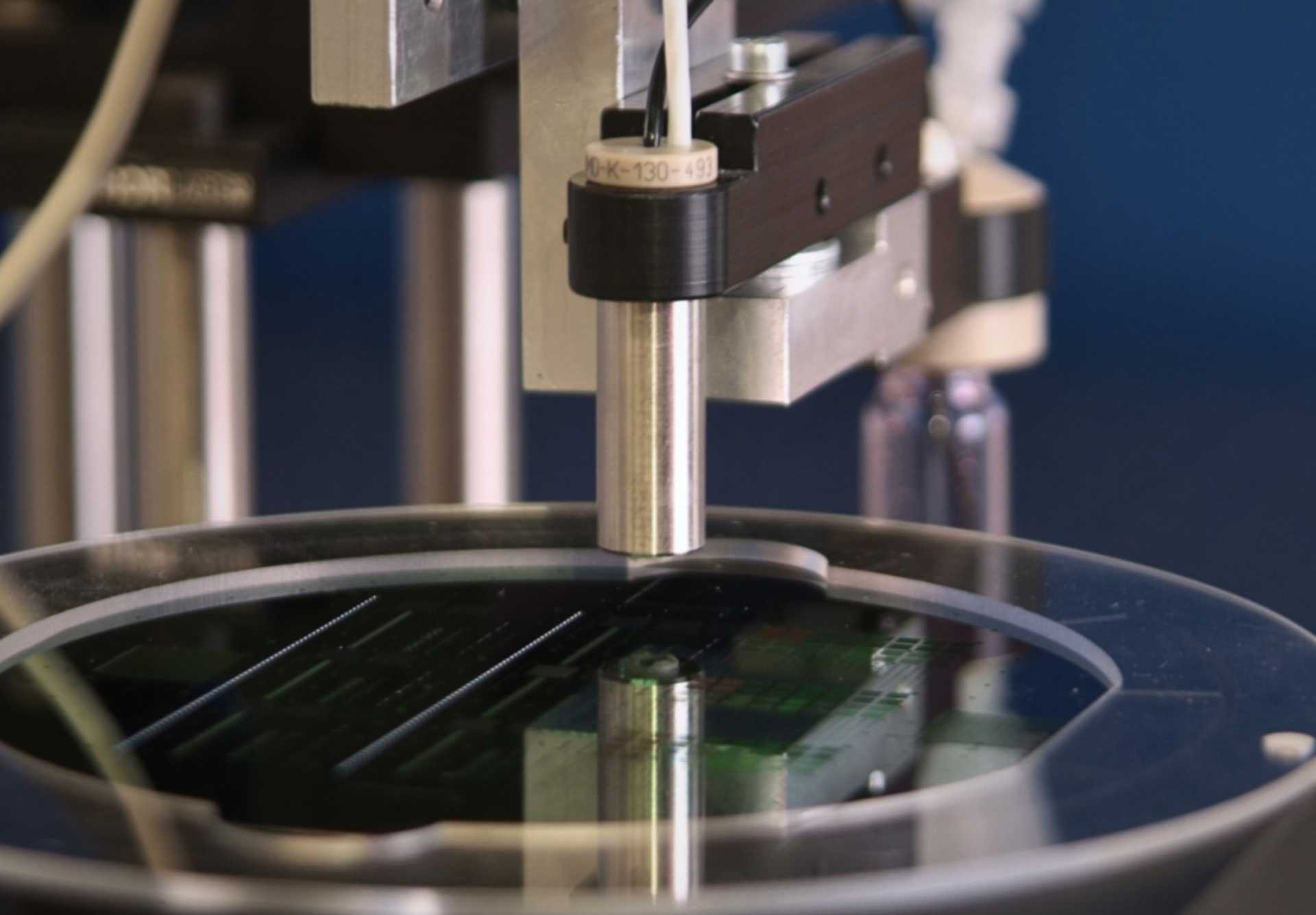
Optoelectronic measuring device at CSEM (Swiss Centre for Electronics and Microtechnology).
This development highlights an often underestimated location factor: companies need not only space for today, but room to grow tomorrow. Graubünden offers around 300,000 square metres of available, fully serviced industrial land—space for additional research and development, a larger laboratory, or another production line. The region provides ideal conditions for relocating businesses, launching start-ups, and scaling young companies.
Good ideas need good neighbours
Growth, however, takes more than space. Graubünden does not have a technical university on the scale of ETH Zurich or TU Munich. Yet the CEDES experience shows that industrial innovation depends on more than the size of the research landscape. Equally important is how quickly companies can access knowledge and turn it into practical applications.
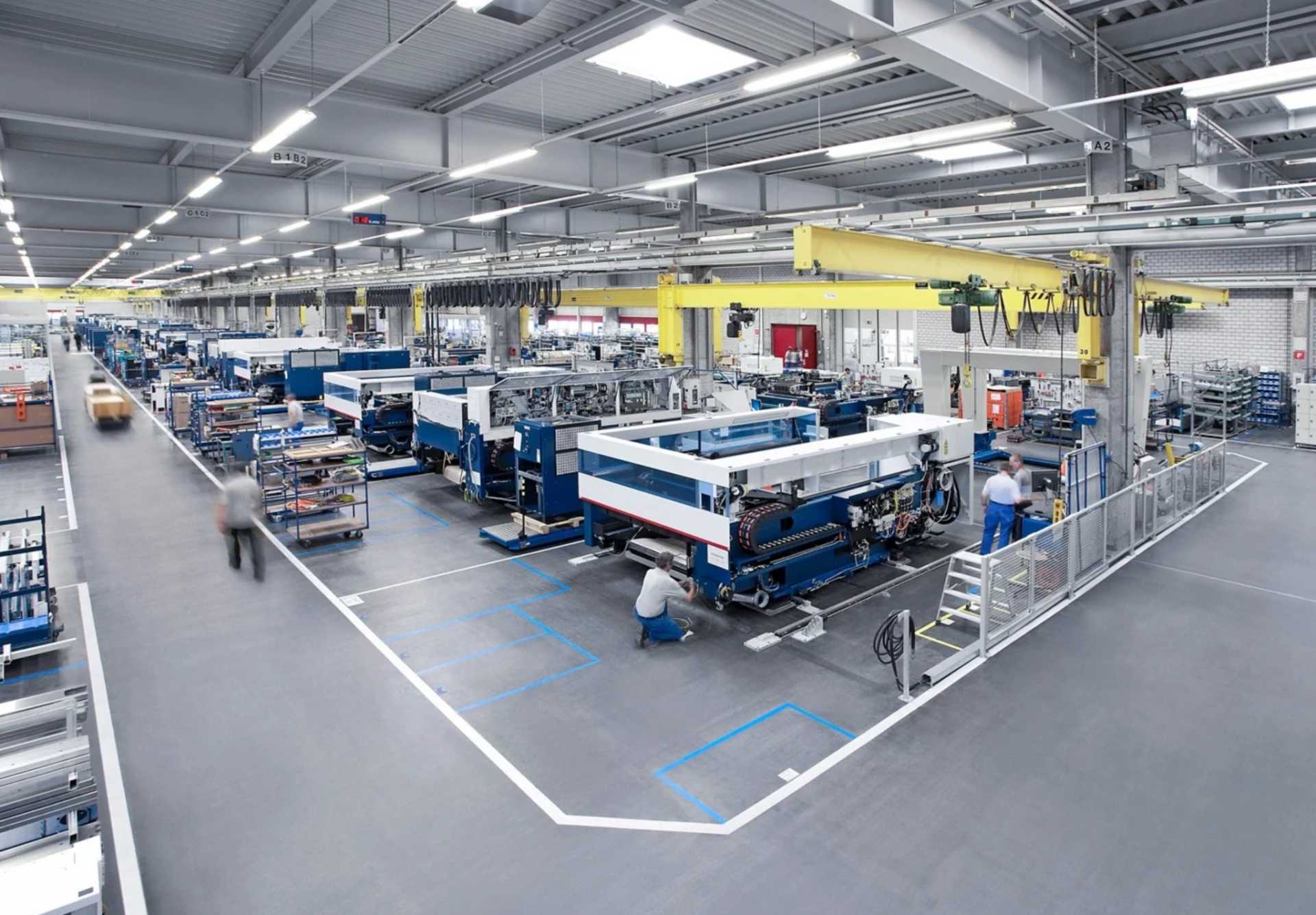
Production hall at TRUMPF Schweiz AG in Grüsch.
The University of Applied Sciences of the Grisons (FHGR) played an important role. Over the years, CEDES has collaborated with the university on student projects, degree theses, testing, and specific development challenges. Employees continued their education there and brought new expertise back into the company. Apprentices went on to complete university degrees before returning as highly qualified engineers. Thöny describes FHGR as a strong partner: while it cannot match ETH in fundamental research, it excels in applied research and practical innovation.
This collaboration was complemented by the Landquart branch of CSEM, the Swiss Centre for Electronics and Microtechnology, whose roots lie in Switzerland’s watchmaking and precision industries. Whenever CEDES needed expertise beyond its in-house capabilities, it could draw on CSEM’s research network. Specialists developed individual aspects of a project, and CEDES subsequently integrated the resulting knowledge into its own products.
High-Tech with mountain views: Not Jena. Not Munich. Graubünden
Jena, Munich, and Eindhoven have established high-tech clusters, extensive networks, and well-known talent pools. Graubünden, by contrast, still offers room to shape the future. A business-friendly administration provides the conditions to strategically develop the photonics hub in the Graubünden Rhine Valley. New companies do not simply join an existing network—they can help shape its next chapter. The region also offers an outstanding quality of life that appeals particularly to skilled professionals, with ski slopes and mountain biking trails often right on the doorstep.
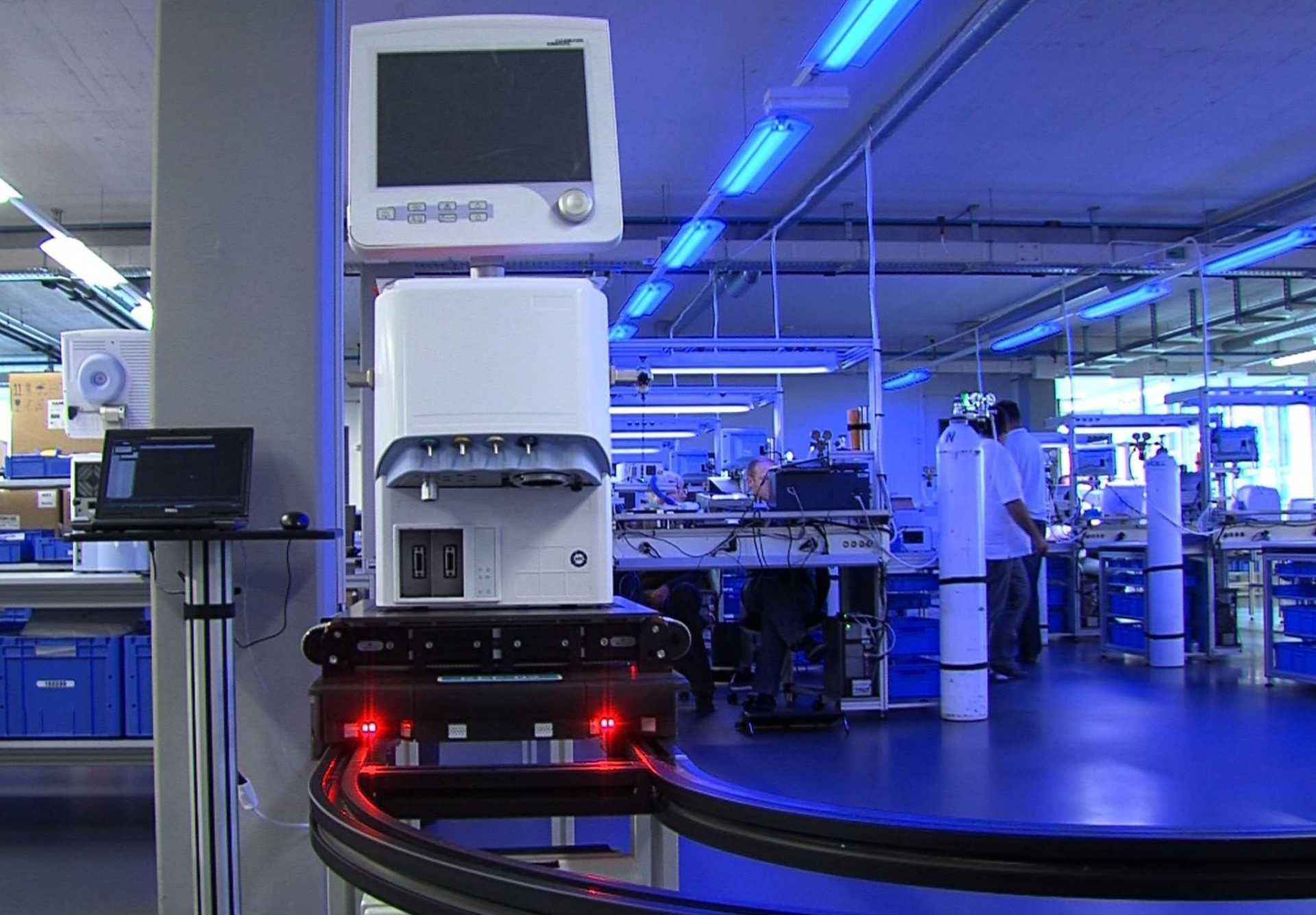
Manufacturing facility at Hamilton AG in Bonaduz.
The region also takes a distinct technological approach. As Thöny explained: “We take a more end-to-end approach, focus much more on applications, and tend to be less component-oriented than Jena.”
What he means becomes clear in the Alpine Rhine Valley technology cluster. Companies such as Hilti, INFICON, Ivoclar, CEDES, TRUMPF, Hamilton, and Integra Biosciences work alongside research partners including FHGR and CSEM, spanning applications in life sciences, medical technology, and automation. Photonics is not viewed in isolation. What matters is what can be built with it.
From success story to the next chapter
What began at CEDES with a bold commitment and grew into an international industrial business should not remain an isolated success story in the Graubünden Rhine Valley. Today, Graubünden is joining forces with Christian-Erik Thöny—leveraging his experience in building and internationalising technology companies, along with his personal network—to attract more businesses to the region.
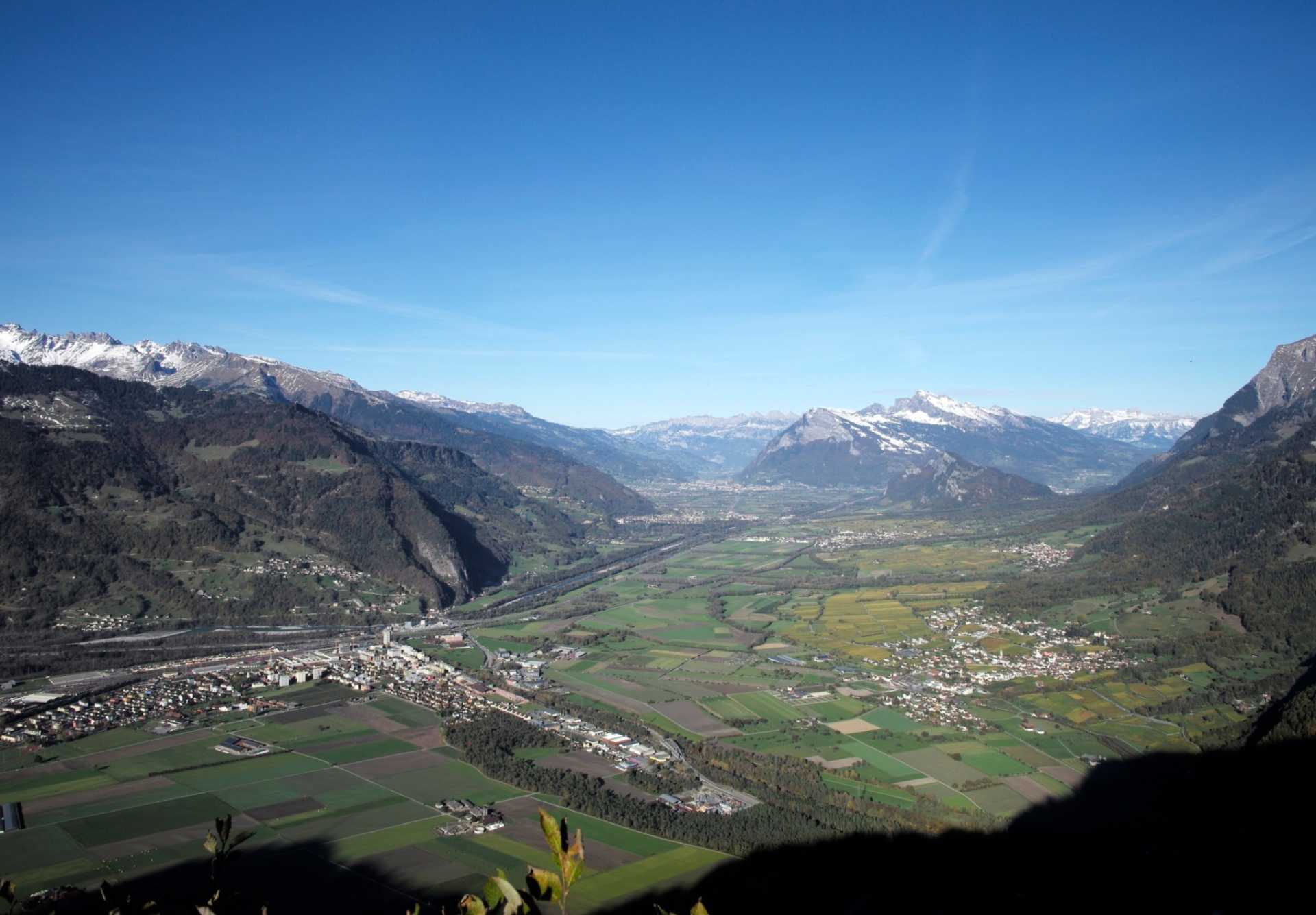
Panoramic view of the Graubünden Rhine Valley.
This includes both start-ups ready to move from development to industrial production and established technology companies seeking an additional location. The advantages that have fuelled CEDES’ growth over decades are also available to to new and expanding businesses: industrial sites, research partners, internationally active companies, and a growing photonics network.
CEDES has proven how an idea born in Graubünden can scale into a global industrial leader. Now, the region is creating the conditions for others to follow the same path.
Author: Sebastian Jüngling, Project Manager, Economic Development and Location Marketing – Economic Development and Tourism Agency of the Canton Grisons.
Graubünden as a Business Location Room for High-Tech Growth: Around 300,000m² of fully serviced industrial land, competitive operating costs, and a strong photonics network provide ideal conditions for turning in-novation into industrial production.
From Idea to Global Market: Since 1986, CEDES has been developing optical sensor solu-tions in Graubünden. What began with light curtains for lifts has grown into an internation-ally successful high-tech company with around 400 employees worldwide.
For more articles like this, visit our Leadership channel