
In manufacturing acquisitions, the real assets are not always the ones you can see. Machinery, materials, and market share tell only part of the story. In today’s connected economy, operational intelligence, the ability to see, decide, and act in real time, is what truly defines enterprise value.
And that intelligence resides within the ERP. When a company is acquired, the buyer does not just take on its physical operations, but also its systems, workflows, and data. If that ecosystem runs a modern, connected ERP, the acquisition shifts from a complex integration task to a platform for long-term growth.
Here is how a contemporary ERP transforms a manufacturing acquisition from a transaction into a strategic advantage.
From fragmented data to complete visibility
Acquisitions often begin with uncertainty. Data sits in silos, reports are inconsistent, and due diligence becomes an exercise in piecing together incomplete information.
A unified ERP changes that. It consolidates production, supply chain, and financial data into a single source of truth, offering real-time visibility into performance, supplier reliability, and cash flow. Modern platforms such as Microsoft Dynamics 365, enhanced with analytics and AI, transform raw information into actionable insight, reducing the unknowns that typically appear after a deal closes.
Integration by design, not disruption
Bringing two organisations together means aligning processes, technologies, and people. Many integrations falter because core systems cannot communicate effectively. ERP standardisation removes much of this friction. With compatible data models and integration-ready architectures, modern ERP environments enable smoother transitions, ensuring business continuity while harmonising operations across the new entity. A structured integration approach helps realise synergy faster and keeps momentum steady during the merger process.
Financial transparency that sustains deal value
The most common post-acquisition risks are financial – hidden costs, unrecorded inventory, or compliance gaps. A robust ERP system helps mitigate these risks through built-in controls, real-time reporting, and clear audit trails.
Modern ERP platforms do more than process transactions. They embed consistency and accuracy, giving both buyers and investors’ confidence that financial statements reflect reality and that the business is operating with integrity.
Scalable infrastructure for future growth
An ERP system is not only a reflection of current operations but also an indicator of readiness for the future. Legacy systems often constrain growth, while cloud-based and modular ERP solutions make it possible to scale quickly across new products, facilities, and markets.
For buyers, this scalability means the acquired company can grow without major re engineering. For sellers, it signals digital maturity and reduces perceived risk, often
strengthening valuation.
Preserving institutional knowledge
Mergers and acquisitions frequently lead to the loss of valuable know-how when key personnel leave. ERP systems help counter this by embedding processes, workflows, and approval chains into the digital fabric of the organisation. A well-structured ERP serves as a living record of how the business operates. It turns individual expertise into shared operational knowledge, safeguarding continuity even when teams evolve.
Technology as a value multiplier
In modern deal making, technological maturity increasingly influences valuation. Businesses operating on modern ERP systems attract stronger interest from investors
because they demonstrate transparency, operational discipline, and readiness for integration.
ERP maturity is now a proxy for business resilience. It signals that the enterprise can adapt, scale, and perform predictably; qualities that underpin sustainable value creation.
Turning ERP into a strategic asset
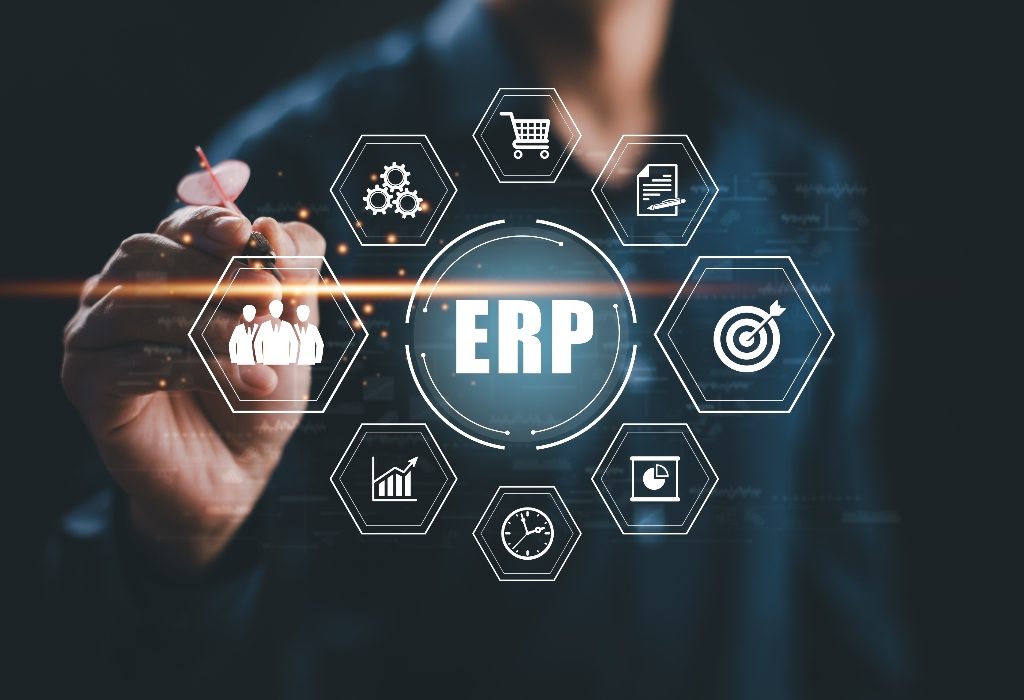
ERP is often viewed as a back-office infrastructure, yet it is far more than that. It is the digital backbone that connects strategy to execution. When implemented and managed effectively, it becomes the foundation for innovation, linking AI, analytics, and automation to enable continuous improvement.
Final thought
A manufacturing company with a modern ERP is not just easier to acquire; it is easier to grow. ERP does more than streamline operations; it defines how effectively two
organisations can become one. In the evolving landscape of manufacturing M&A, the most successful deals will be those where technology and operations already work in harmony. ERP is where that alignment begins.
At Visionet, our experience across manufacturing, distribution, and retail has shown that ERP is not simply a system, but an enabler of capability. It allows organisations to convert technology investments into measurable business value and long-term resilience.
For more articles like this, visit our Digital Transformation channel.