
UK manufacturing has entered 2026 with renewed momentum, sharpening the focus on the skills needed to support long-term growth. For manufacturers, this resurgence brings a familiar question back into focus: how to ensure the workforce is ready for what comes next. As production scales up and operations become more complex, attracting, training and retaining skilled talent is emerging as one of the sector’s defining priorities. At Essity, the global hygiene and health manufacturer behind brands such as Cushelle, Plenty, Tork and Bodyform, apprenticeships form a key part of that response.
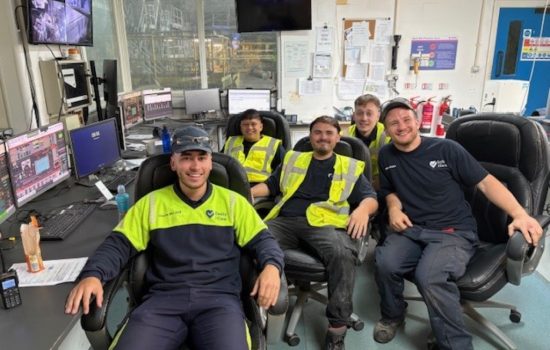
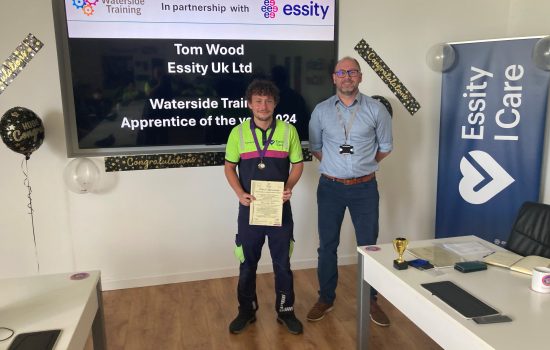
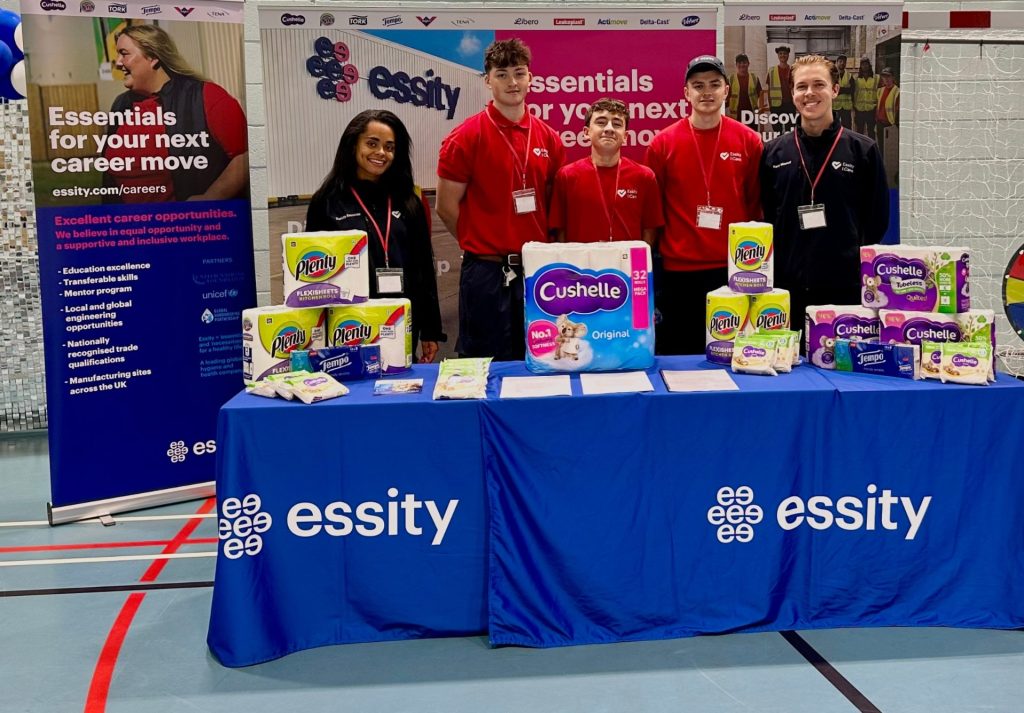
During National Apprenticeship Week, the business is highlighting how hands-on, practical training is helping young people and career changers build long-term careers across its UK manufacturing sites.
Apprenticeships give people the chance to learn on the job, gain recognised qualifications and grow into roles that are critical to how our sites operate. They form a vital part of our talent pipeline which enables us to plan ahead and understand how and where we need to focus recruitment efforts.
Louisa Oliveira, Human Resources Director UK & ROI, Essity
A modern route into manufacturing
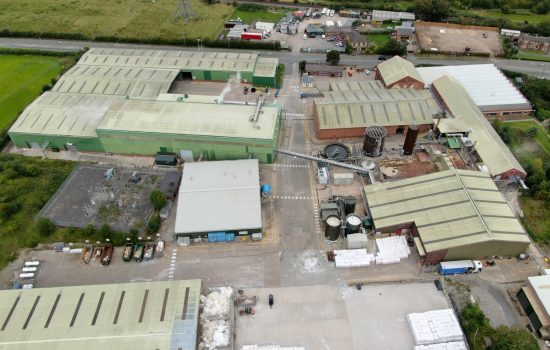
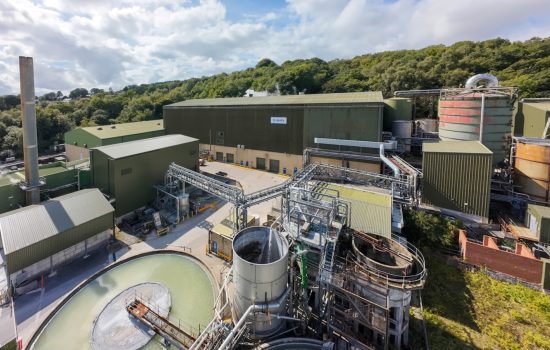
Essity currently offers apprenticeship opportunities across all five of its UK manufacturing sites – Manchester (Trafford Park), Skelmersdale, Oakenholt, Stubbins and Newcastle (Prudhoe) – spanning disciplines including electrical and mechanical engineering, papermaking, converting, quality, safety and site services.
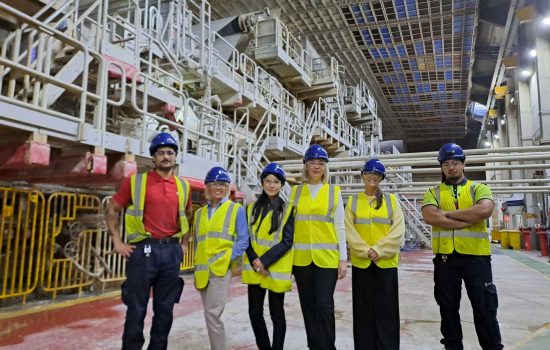
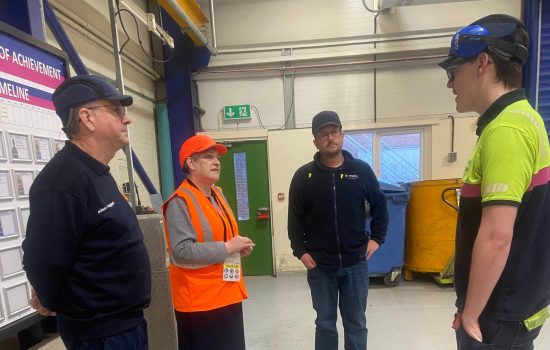
Apprentices are embedded into operational teams from day one, working alongside experienced engineers, technicians and specialists. The aim is simple: to build strong technical capability and a clear understanding of how a modern manufacturing site operates, supporting long-term operational resilience.
For Cameron Wilson, a Safety Specialist apprentice at Trafford Park, the apprenticeship route offered a chance to step onto a more defined career path.
“I’ve done a mix of jobs, from automotive and construction to delivery driving, and I wanted my next move to be something I could really build on,” Cameron said. “The apprenticeship route in manufacturing gives you that structure. You’re learning on site, picking up qualifications and developing skills that open up long-term opportunities.”
Cameron is one of 16 apprentices currently training across a wide range of roles at Essity’s Trafford Park mill in Manchester. His role reflects how apprenticeship pathways are broadening beyond traditional engineering routes, with growing demand for skills in areas such as health, safety and continuous improvement.
Luke Martin, an Electrotechnical apprentice within Site Services at the same mill, highlights the value of learning by doing.
“I have always been drawn to practical, hands-on work, from roles in hospitality to time spent shadowing electricians and plumbers,” Luke said. “An apprenticeship felt like the logical next step, as it provides the opportunity to develop a career while gaining real-world experience.”
Both apprentices point to the same benefit: a clear line of sight from training into long-term, skilled roles within the industry.
Investing in long-term capability
Across Essity’s UK sites, apprenticeships are designed with progression in mind. Many former apprentices have moved into permanent technical and operational roles, helping retain knowledge and build specialist capability over time.
Alongside on-the-job learning, Essity has invested in dedicated training infrastructure to support apprentices as they develop their skills. At its Skelmersdale manufacturing site, the business operates a bespoke Apprenticeship Academy, created by transforming former office space into a practical workshop environment.

The academy allows apprentices to train on machinery and electrical systems in a controlled setting that closely reflects live production. Apprentices also support in-house servicing and repair of machine parts, reducing downtime while gaining a broader understanding of how equipment operates.
Alongside skills development, apprentices are also exposed to the technologies and processes shaping the future of manufacturing. At Essity’s Stubbins mill, this includes Tork PaperCircle, a closed-loop recycling system that collects used paper towels from customers and recycles them back into new tissue products on site. Meanwhile in Prudhoe, the business is preparing to open Unifibres, a state-of-the-art recycled fibre facility designed to significantly increase the supply of high-quality recycled material for UK tissue production, reinforcing the long-term role of skills in supporting more circular manufacturing models.
While individual sites tailor their programmes to operational needs, the overall focus remains consistent: developing skills that support a more resilient, efficient and sustainable manufacturing operation.
Building the workforce of tomorrow
Louisa Oliveira, Human Resources Director UK & ROI at Essity, said apprenticeships play an important role in building long-term capability across the business.
“Several colleagues in senior roles started out as apprentices,” Louisa commented. “Apprenticeships give people the chance to learn on the job, gain recognised qualifications and grow into roles that are critical to how our sites operate.
“They form a vital part of our talent pipeline which enables us to plan ahead and understand how and where we need to focus recruitment efforts.”
As National Apprenticeship Week shines a spotlight on skills and training, Essity’s experience reflects a wider shift across UK manufacturing: apprenticeships are no longer just an entry point, but a key part of sustaining the workforce for the future.
For Cameron, Luke and apprentices like them across Essity’s UK mills, the message is clear: manufacturing is evolving, and the skills they are developing will shape what comes next.
For more articles like this, visit our People & Skills channel