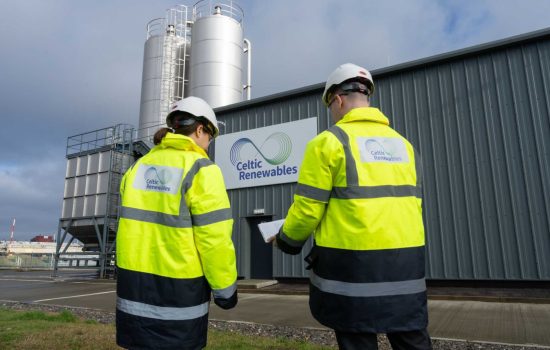

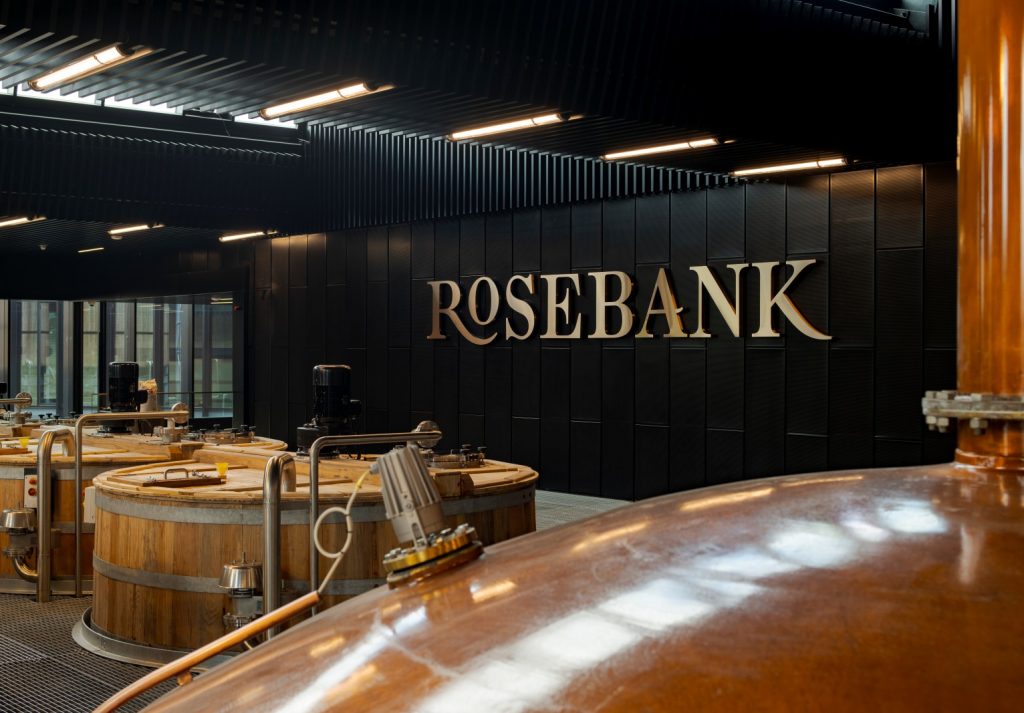
Scottish green chemicals firm Celtic Renewables has renewed its partnership with Rosebank Distillery for a further three years, strengthening a collaboration aimed at turning whisky waste into low-carbon industrial inputs, while signalling ambitions to scale the model significantly.
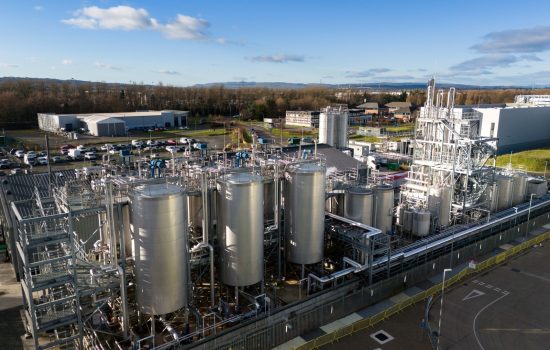
Under the extended agreement, pot ale—a by-product of the distillation process—will continue to be transferred from Rosebank’s Falkirk site to Celtic Renewables’ biorefinery in nearby Grangemouth. The proximity of the two facilities, less than four miles apart, helps minimise transport emissions while reinforcing a local circular economy approach.
The deal builds on an existing three-year partnership during which Celtic Renewables processed more than 4,600 tonnes of whisky by-product. The company uses pot ale as a feedstock to produce around 500 tonnes of bio-based chemicals annually, offering an alternative to fossil-derived materials used in products ranging from household cleaners to paints and cosmetics.
According to the company, its process can deliver carbon savings of more than 60% compared with conventional petrochemical production, while also reducing the volume of distillery waste sent for animal feed or anaerobic digestion.
Bettina Brierley, Chief Commercial Officer at Celtic Renewables, said such partnerships are foundational to Scotland’s low-carbon economy, highlighting the significant untapped potential in whisky by-products generated across the country.
Neil Bulloch, Distillery Manager at Rosebank, added that the collaboration forms part of a broader sustainability strategy across owner Ian Macleod Distillers’ portfolio, helping to reduce environmental impact while supporting local industry.
The renewed agreement comes as Celtic Renewables moves to scale its operations. Earlier this month, the company secured more than £16m in public and private funding to support the planning and construction of a new £120m industrial-scale biorefinery in Grangemouth.
The investment marks a significant step towards commercial expansion, positioning the Grangemouth cluster as a focal point for low-carbon chemical production and reinforcing its role in the UK’s wider net zero transition.
For more articles like this, visit our Sustainability channel