

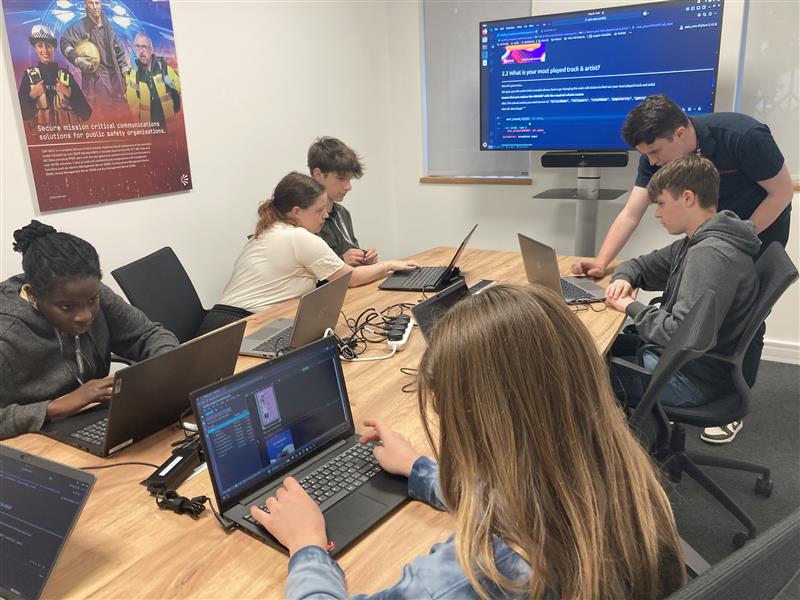
The Engineering Development Trust has partnered with The ERA Foundation to launch a new pilot programme aimed at strengthening pathways into engineering, electech and advanced manufacturing careers for young people in the Black Country.
The region has been selected due to its strong industrial base and concentration of advanced manufacturing and engineering employers, alongside higher-than-average levels of youth disadvantage and skills need. Employers in the area continue to report challenges in recruiting skilled local talent, while many schools and young people lack sustained access to high-quality STEM engagement and employer interaction.
The three-year partnership will be delivered through the Industrial Cadets framework, a nationally recognised accreditation patroned by His Majesty King Charles III. The programme provides structured, industry-led experiences designed to build technical knowledge, workplace readiness and wider employability skills.
Andrew Everett, chief executive of the ERA Foundation, said the initiative was designed to address both regional skills shortages and access to opportunity. “The Black Country has a proud engineering heritage and remains central to the UK’s industrial future,” he said. “However, realising that future depends on building a strong, inclusive local skills pipeline that connects young people directly with employers and real-world engineering experience.”
The pilot will bring together schools, colleges, employers and community partners to create clear, accredited progression routes into apprenticeships, further education and higher-level study.
Julie Feest, chief executive of EDT and Industrial Cadets, said the programme aimed to move beyond one-off interventions and deliver sustained pathways that benefit both young people and employers.
The pilot will help inform the development of future Industrial Cadets regional clusters across the UK, supporting national priorities around skills, productivity and social mobility.
For more articles like this, visit our People & Skills channel