


The manufacturing sector is standing at a critical juncture. Global supply chains are more complex than ever, regulatory pressures are mounting, and the race toward digital transformation is accelerating.
According to Dun & Bradstreet’s 2025 Manufacturing Pulse Survey, based on insights from over 2,000 senior professionals across five major markets, the next 12 months will be decisive for manufacturers seeking to build resilience and prepare for a future shaped by disruption.
The question is no longer whether change is coming. It’s here. And the ability to anticipate risk, harness data, and adapt quickly will separate tomorrow’s leaders from those left behind.
The pressure cooker: regulatory risk and geopolitics
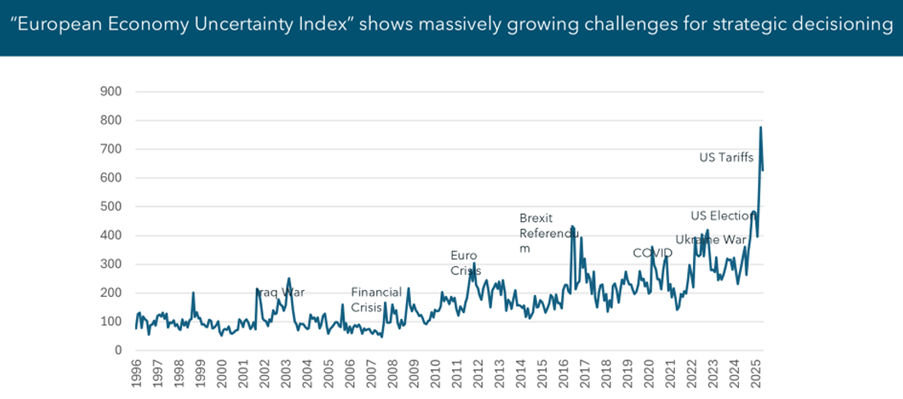
For years, threats such as tariffs, sanctions, compliance requirements and large-scale disruptions (for example wars, the pandemic and macroeconomic change) were seen as black swan events. However, these ‘temporary issues’ have become structural, reshaping global trade and supply chain strategies for manufacturers around the world.
Manufacturers cited regulatory changes (such as U.S. tariffs and Russian sanctions) as their biggest obstacle in the past year. This was followed by maintaining supply chain resilience amid geopolitical and macroeconomic shifts.
What’s striking is that Manufacturers anticipate continued volatility well into 2026. Yet many still lack the data needed to understand how these external pressures ripple through their supplier networks. Without that visibility, firms risk making decisions in the dark.
Visibility: the currency of resilience
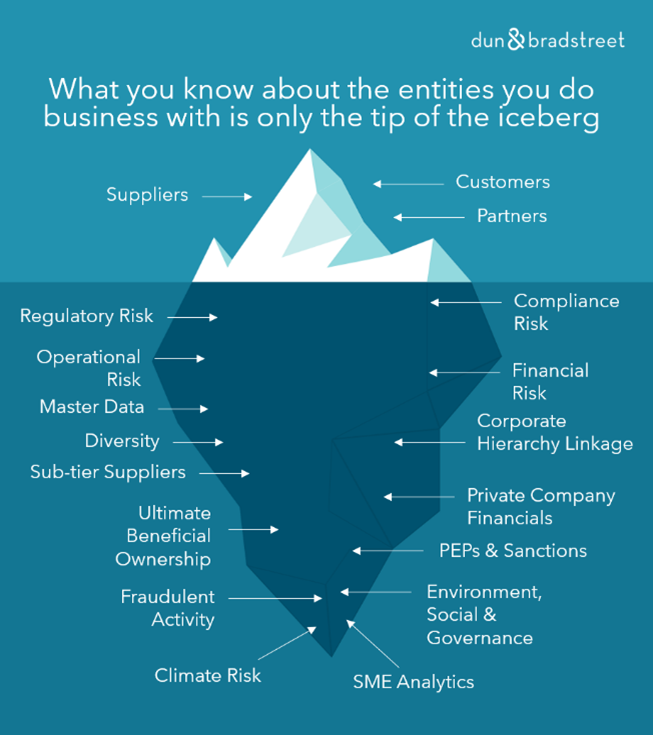
If resilience is the goal, visibility is the currency. Still, despite the growing depth of global supply chains, only 18% of manufacturers monitor beyond Tier 3 suppliers. That leaves blind spots that are triggering quality issues, delivery delays, and spiralling costs. It’s no surprise that 97% of manufacturers reported experiencing disruption due to supply chain complexity.
The lesson is clear: resilience isn’t just about having backup plans—it’s about knowing where vulnerabilities lie before they become crises.
Nearshoring and ethical oversight: slow progress on big priorities
One response to global uncertainty is nearshoring. The survey reveals that 61% of manufacturers plan to nearshore more than half of their supply chain. But manufacturers are wise to the fact this needs to be a long-term strategic shift rather than a quick fix, and only 8% say it’s a priority in the next 12 months.
Meanwhile, ethical oversight remains a blind spot. Just 24% of manufacturers have data on modern slavery in their supply chains, and only 14% consider ethical sourcing a key future priority. ESG investment is growing, but financial compliance still dominates the risk agenda.
Data deficiency: a hidden barrier
Digital transformation and AI adoption promise efficiency and agility, but only if the foundation is solid. Unfortunately, that doesn’t seem to be the case. Only 36% of manufacturers feel confident making informed decisions with their current data. Poor data quality, siloed systems, and manual processes are stalling progress. Nearly 44% of firms have experienced failed AI projects due to data issues.
Clean, connected, reliable ‘living’ data should be a key pillar of their innovation strategy.
Then, to unlock the full potential of data-driven decision-making, manufacturers must shift from fragmented legacy systems to unified, scalable data architectures. This includes automating core processes, investing in cloud platforms with real-time analytics, and establishing data governance frameworks to ensure trust and accessibility. Without this, data will remain an underutilised asset, and strategic decisions will continue to be made in the dark.
The bottom line
Manufacturing is in flux. The forces reshaping the industry aren’t going away. The winners will be those who act decisively: building resilience, investing in visibility, and laying the data foundations for innovation.
For a deeper dive into these findings, including expert commentary and actionable recommendations you can start today, download the full report:
Download Dun & Bradstreet’s 2025 Manufacturing Pulse Survey here
Find out more about how Dun & Bradstreet supports manufacturers with actionable data and insights, on their Manufacturing Hub.
Author: Björn Gerster, European Manufacturing Centre of Excellence Lead, Dun & Bradstreet.
For more articles like this, visit our Leadership channel.