
As athletes compete for medals at the Glasgow 2026 Commonwealth Games, Additive Manufacturing UK (AMUK) says one of the biggest performance advantages could be hidden inside the equipment they use.
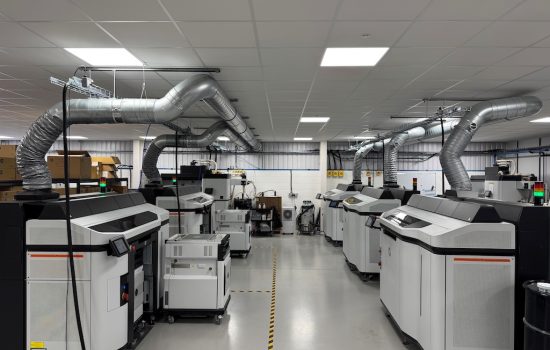
The trade association has highlighted how additive manufacturing (AM), more commonly known as 3D printing, has evolved from a rapid prototyping tool into a production technology that is helping elite athletes gain marginal gains through lighter, stronger and more personalised equipment. According to AMUK, the technology is now widely used across elite sport, including Formula 1, track cycling, swimming and para-sport, where manufacturers can create complex geometries, reduce component weight and tailor equipment to individual athletes without the need for expensive tooling.
Josh Dugdale, Head of AMUK, said the sporting arena demonstrates how far additive manufacturing has progressed beyond its traditional role.
“Elite sport shows why additive manufacturing has moved far beyond a prototyping niche,” he said. “When fractions of a second matter, engineers need lighter parts, faster design iteration and geometries that conventional manufacturing cannot easily deliver. Those same capabilities are strengthening production, supply chains and innovation across UK industry. Sport makes the benefits visible, but the industrial opportunity is much bigger.”
– Josh Dugdale, Head of AMUK
British cycling programmes have already used additively manufactured cranks, seatposts, handlebars and fittings to improve stiffness, aerodynamics and rider-specific fit, while Formula 1 teams use the technology to accelerate aerodynamic development, manufacture tooling and produce functional parts at race pace. AMUK also pointed to the growing role of additive manufacturing in para-sport, where bespoke equipment can be designed around an athlete’s anatomy and movement.
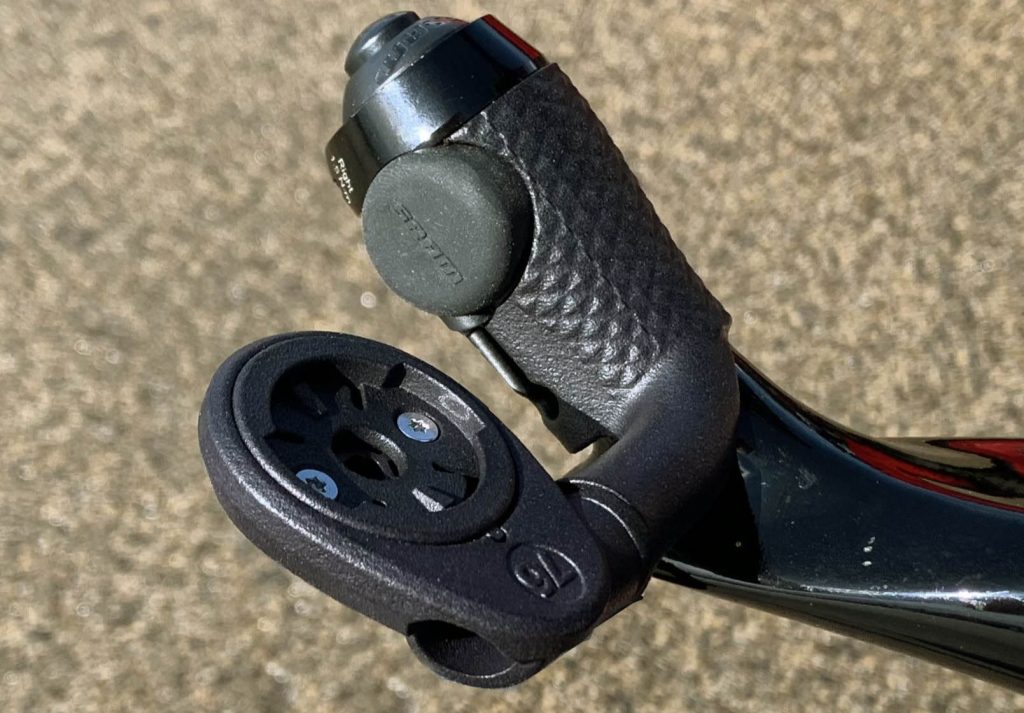
Among the examples highlighted is AMUK member 76 Additive, which designed and manufactured a combined grip and computer mount for British paratriathlete Claire Cashmore that was used during the Tokyo 2020 Paralympic Games. The company has also produced lattice-structured aerodynamic handlebars for Drag2Zero, used by Great Britain’s Olympic gold medal-winning triathlon mixed relay team, alongside the EZ Gains Hydroglide swimming aid, manufactured using Multi Jet Fusion nylon and Carbon Digital Light Synthesis elastomer lattice components.
Rob Johnson, founder and owner of 76 Additive, said the technology enables manufacturers to optimise equipment around athletes rather than traditional manufacturing constraints.
“Additive manufacturing lets us start with the athlete and the performance problem, rather than the limitations of a mould or cutting tool,” he said. “Whether it is Claire Cashmore’s adapted grip, an aerodynamic cycling component or a hydrodynamic swimming product, we can refine fit, stiffness, weight and function rapidly, then manufacture the finished component repeatably. That is not novelty 3D printing; it is practical, high-performance production.”
– Rob Johnson, founder and owner of 76 Additive
AMUK said the technology’s growing role in elite sport demonstrates the wider opportunities for UK manufacturers looking to improve product performance, accelerate design cycles and strengthen supply chains through advanced manufacturing.
For more articles like this, visit our Innovation channel