

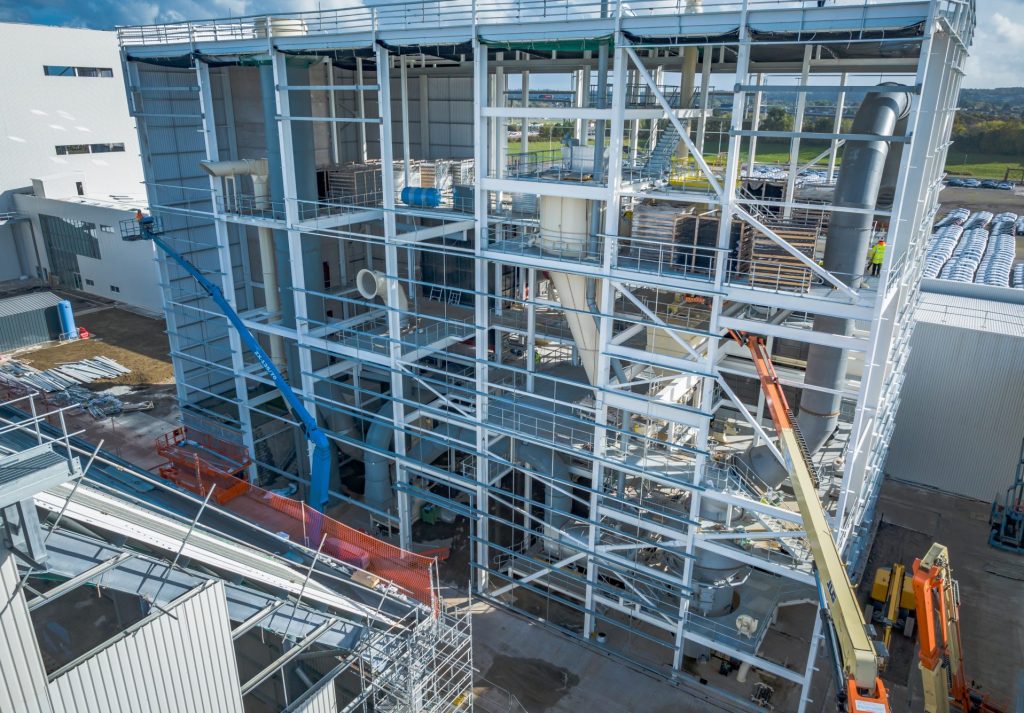
McLaughlin & Harvey has delivered a range of advanced manufacturing projects right across the UK. Here, the construction and civil engineering main contractor shares insights into how taking a collaborative approach with partners enables them to deliver complex installations.
As manufacturers look to maximise efficiency and enhance production lines with new technologies, the advanced manufacturing industry is seeing exponential growth. This is in no small part due to the rise in ‘reshoring,’ where global businesses create local manufacturing bases and supply chains to futureproof their production against increasing geopolitical uncertainty.
When it comes to managing construction projects that combine tight build schedules and major investment with complex technology installations at scale, manufacturers are faced with significant challenges. As the race to take advantage of advanced manufacturing ramps up, how can manufacturers and construction specialists take a collaborative approach to ensure sites are ready without delay?
Efficiency through supply chain collaboration
On many of the advanced manufacturing projects we work on, what is normally expected in a typical manufacturing facility build is far exceeded, with significant complexities arising from the size and nature of these developments.
Indeed, there is no such thing as a one size fits all approach, and careful thought and planning must go into the build strategy to ensure all requirements are met.
One way we achieve this is by organising workshops ahead of construction to determine how best to approach the often complex nature of the schemes we’re working on.
This was vital on our recent project with lightweight construction materials manufacturer, Etex, who were investing £170 million to expand their Bristol facility and double site capacity.
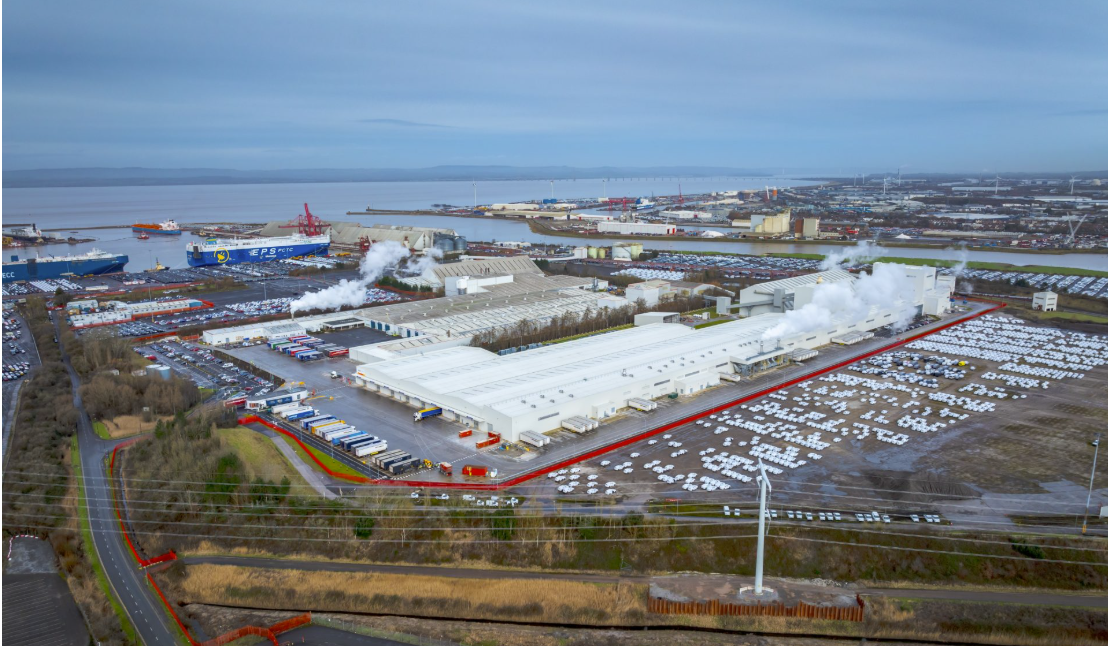
The calcination plant, where gypsum slurry is transformed into plasterboard products, is at the heart of the plasterboard manufacturing process. As part of Etex’s Road to Sustainability 2030 ambitions, it integrates a range of technologies to enable rainwater harvesting and support post-consumer gypsum recycling.
Unlike many manufacturing facilities, we knew this build would require extensive collaboration with the Etex team, its technology and engineering supply chain, and other contractors working across the site. What set this project apart was the need to factor the large scale and complex technology required for the calcination process into the design and scheduling from the very beginning.
But by working with the Etex team from the outset, we were able to collaborate and take learnings from previous sites to ensure the build was completed in the most efficient way.
Open and honest dialogue on advanced manufacturing projects is vital from day one as it ensures everyone understands objectives and desired outcomes, and partners can discuss potential challenges from the start.
Building for advanced manufacturing one step at a time
Elsewhere, when planning a complex, advanced manufacturing construction process, it’s important to recognise that the schedule never really follows a straightforward “build the framework, add the façade, and complete the interior” approach. The technology and equipment involved must be integrated at various stages throughout the build.
Often, this advanced technology is simply too large or complex to be installed after completion. That’s why it’s important to take a unique approach to project scheduling from the outset.
We followed this methodical, strategic approach when designing and constructing a new aero engine disc manufacturing facility on behalf of Rolls-Royce.
Split into two phases, the project involved the design and build of the main manufacturing hall before we undertook the fit-out process which included management, attendance and coordination of equipment suppliers, and fitting out of specialist production equipment post-completion.
There were several challenges we needed to overcome – including finding a piling solution which would minimise the risk of vibration and interference with their current site processes, along with complex site logistics – however we set aside traditional thinking to find solutions to satisfy the client’s requirements.
We ensured a ‘one-team’ approach was taken, too, where tried and tested assumptions were questioned and challenged to maximise efficiency. This kind of partnership is crucial to the success of multi-faceted projects.
Intricate planning and a robust communication strategy was also key when we carried out a re-roofing project for the BMW Group at their MINI plant in Oxford.
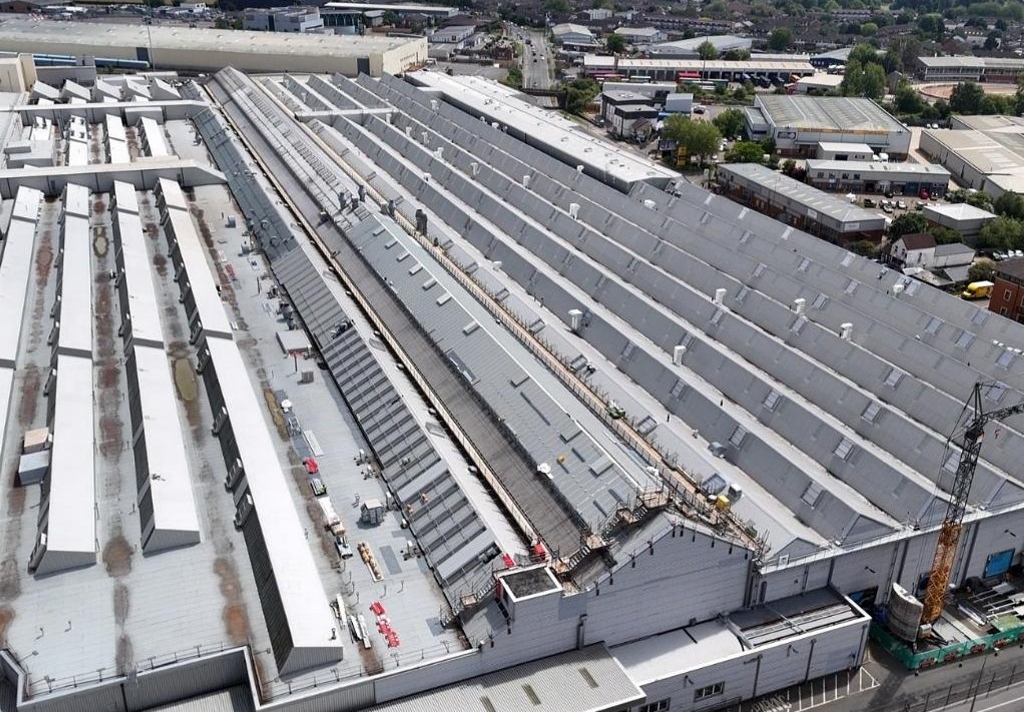
The work took place in a live environment as production needed to continue; therefore, it was of paramount importance that there was complete alignment between ourselves and the plant manufacturing team to ensure both parties could work safely and efficiently without any disruptions.
Advanced manufacturing is growing rapidly as more manufacturers seek to reap the benefits of enhanced efficiencies offered by new technologies. Early collaboration with contractors, design teams, engineers, and the supply chain is essential for manufacturers aiming to integrate these technologies seamlessly into production lines without significant delays.
To find out more about how McLaughlin & Harvey can support with advanced manufacturing construction projects, get in touch with our expert teams.
For more articles like this, visit our Leadership channel.