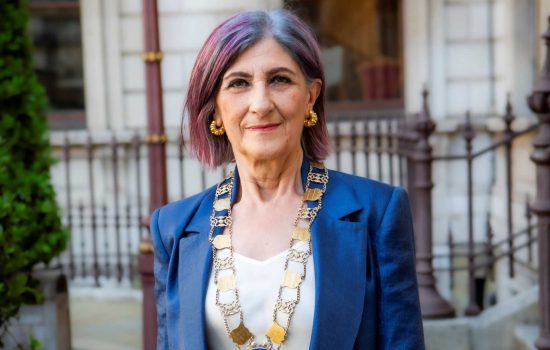

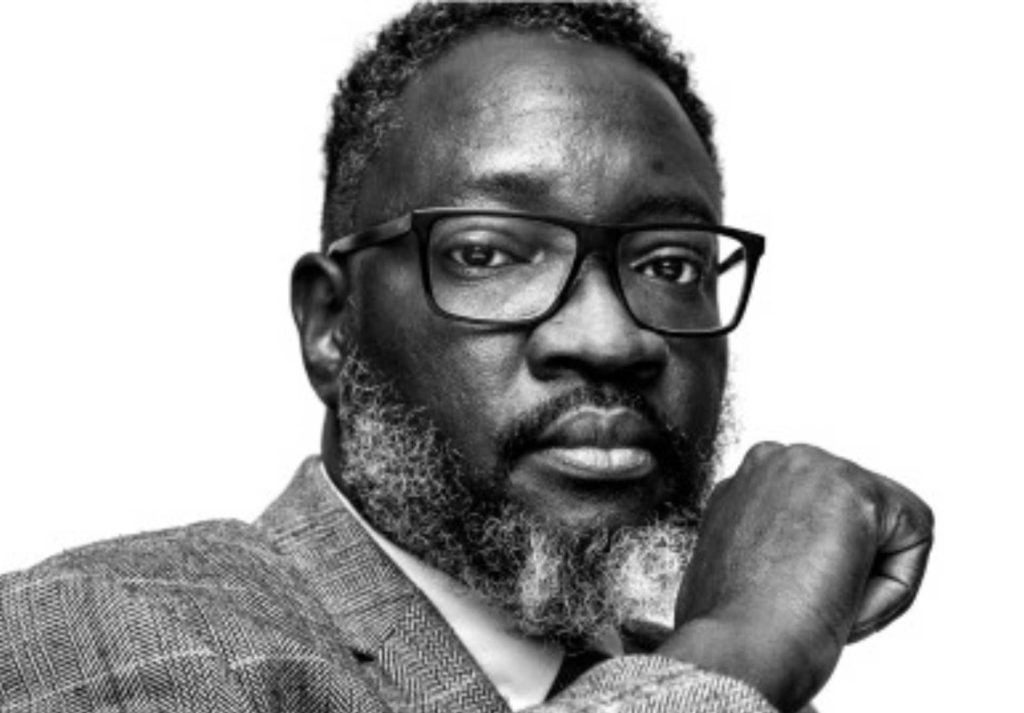
Institution of Chemical Engineers (IChemE) President, Dr Ollie Folayan has issued a call for evidence as the IChemE has launched an inquiry into the future of chemical engineering, prompted by an increasing tension between plentiful technical capabilities and scarce resources.
Focusing on five interconnected forces that are already reshaping the profession, the presidential inquiry will examine the key tensions, challenges and opportunities for chemical engineering and society as a whole. Engineering Tomorrow: The Five Forces Shaping Chemical Engineering focuses on artificial intelligence and machine learning; decarbonisation; climate adaptation and resilience; the materials revolution and circular economy; and modular manufacturing.
Beneath the apparent permacrisis, we are more technically capable than at any point in history. Yet these technical capabilities in areas like AI are constrained by our ability to generate and deliver sufficient resources to where they are needed.
Dr Ollie Folayan, President, Institution of Chemical Engineers (IChemE)
The presidential inquiry will seek to understand what is already happening in practice, what chemical engineers and employers see coming next, what may be preventing change, and what IChemE, industry, educators and policymakers should do in response.
Dr Folayan said: “The received wisdom is that we live in an age of permacrisis. But it is perhaps better characterised as an age of tension. Beneath the apparent permacrisis, we are more technically capable than at any point in history. Yet these technical capabilities in areas like AI are constrained by our ability to generate and deliver sufficient resources – particularly energy resources – to where they are needed, all while avoiding further damage to the environment and dealing with the impact of climate change.
“The chemical engineering profession has a distinctive vantage point at the forefront of the environmental and resource constraints, and our rapidly increasing technical capabilities, which are only set to grow as AI technologies mature. As a profession, we’re uniquely positioned to offer the insights needed to manage these tensions.
“That’s why the Institution wants to hear from employers, chemical engineers, policymakers, students, entrepreneurs and others with a stake in the future of chemical engineering. This is an opportunity to shape the future of the profession.”
This Presidential Inquiry, chaired by Dr Folayan as current IChemE President, builds on the first Presidential Inquiry into chemical engineering research, chaired by Professor Raffaella Ocone, President 2025-26. It looks ahead: from the current health of the discipline towards its future direction, relevance and public value.
Dr Folayan added: “Above all, this is intended to be a practical and forward-looking Inquiry. We want the Inquiry to challenge its own assumptions and identify developments or opportunities that we may not yet have anticipated.”
The call for evidence asks 10 questions:
- What is already changing?
- What happens next?
- What might we be missing?
- What are the barriers?
- What skills will chemical engineers need?
- What does climate resilience mean for chemical engineering?
- How can we move from innovation to implementation?
- What needs to change around chemical engineering?
- How should chemical engineering tell its story?
- What should we do?
For more articles like this, visit our Leadership channel