
Scotland could be missing out on around 5,000 high-quality jobs because of its opposition to new nuclear projects, according to the Nuclear Industry Association (NIA), which has called on the Scottish Government to change course on skills and supply chain policy.
During National Apprenticeship Week, the NIA said the decision to exclude new nuclear from Scotland’s Energy Skills Passport risks deterring apprentices and employers by limiting skills transfer and workforce mobility across the UK’s growing nuclear sector.
According to NIA figures, England has created around 43,000 new nuclear jobs over the past decade, compared with just 490 in Scotland. Had Scotland’s civil nuclear industry grown at the same rate, the trade body estimates it could now support more than 10,000 roles, instead of about 5,400 today.
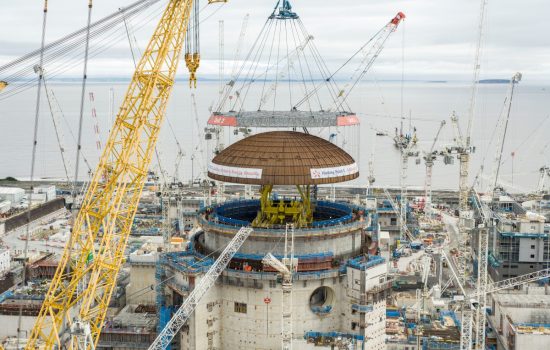
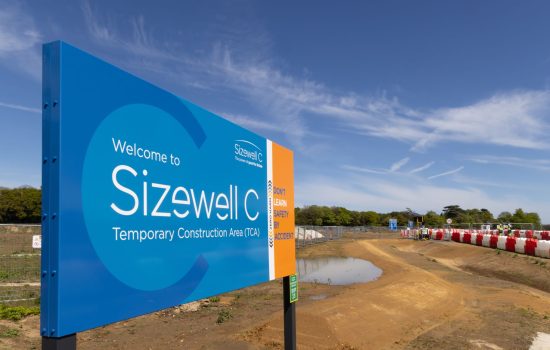
The association also said Scotland has yet to secure agreements to help local firms access major UK projects such as Sizewell C, while the Welsh Government signed a memorandum of understanding expected to support up to 4,700 jobs and £900m of investment. More than 1,200 Scottish workers are already employed at Hinkley Point C in Somerset, highlighting demand for Scottish skills on projects outside the country.
Tom Greatrex, chief executive of the NIA, said Scotland was “turning its back on industrial workers” by failing to support new nuclear development and supply chain opportunities.
The NIA is urging ministers to include nuclear in the Energy Skills Passport, sign a formal agreement with the Sizewell C consortium, and help Scottish firms access work in the UK nuclear supply chain.
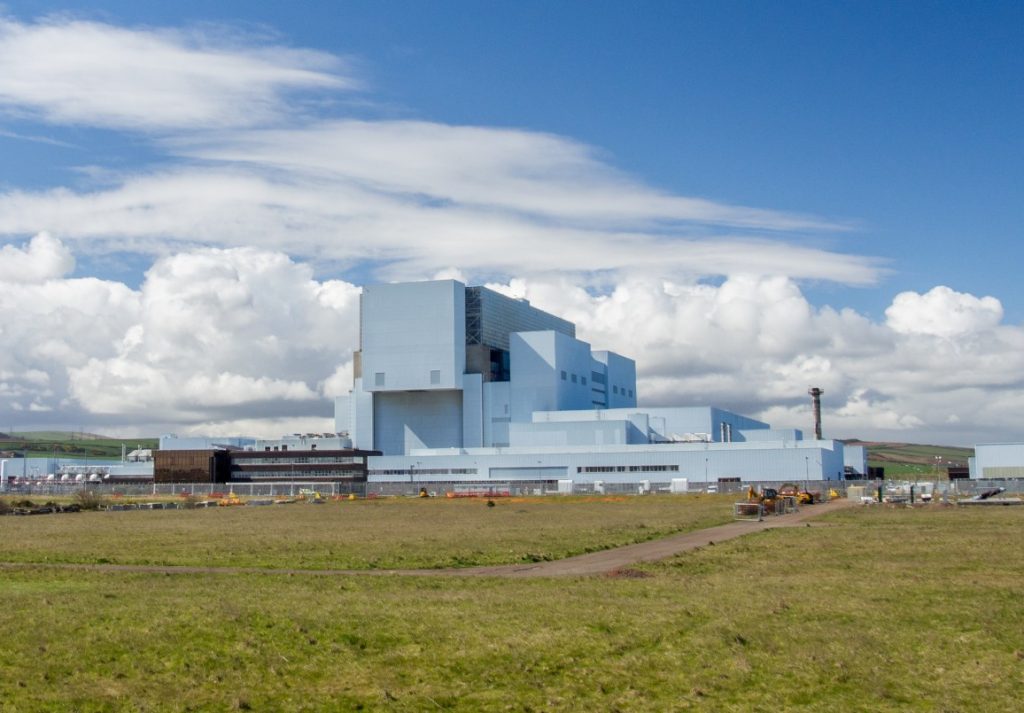
Apprentices in the sector say new projects could create long-term career opportunities. Aaron Turnbull, a third-year electrical apprentice working at Torness Nuclear Power Station, said his role had provided a strong start to his career and that further nuclear investment in Scotland would secure opportunities for future trainees.
Trade union GMB has also warned that Scotland has lost around 15% of its industrial jobs since 2010, underscoring concerns about the wider impact of declining heavy industry.
The Scottish Government maintains its opposition to new nuclear power stations, favouring renewable energy development. But with new projects moving ahead in England and Wales, industry leaders argue Scotland risks losing both skilled workers and supply chain investment unless policy changes bring the country into the UK’s next wave of nuclear construction.
For more articles like this, visit our People & Skills channel