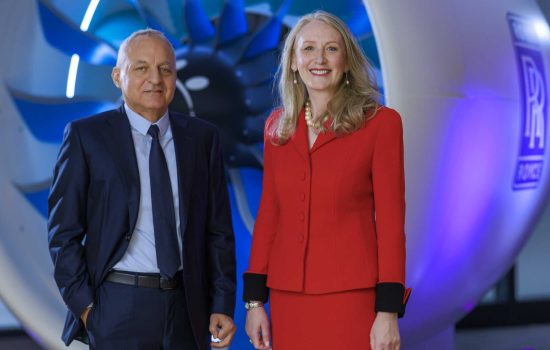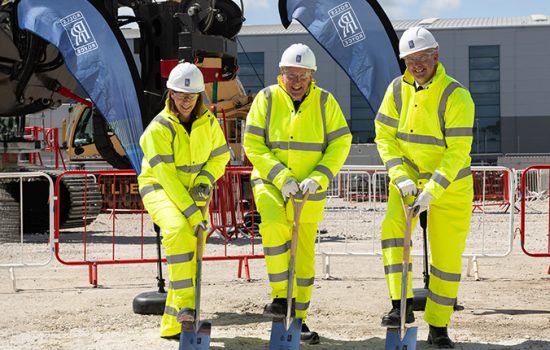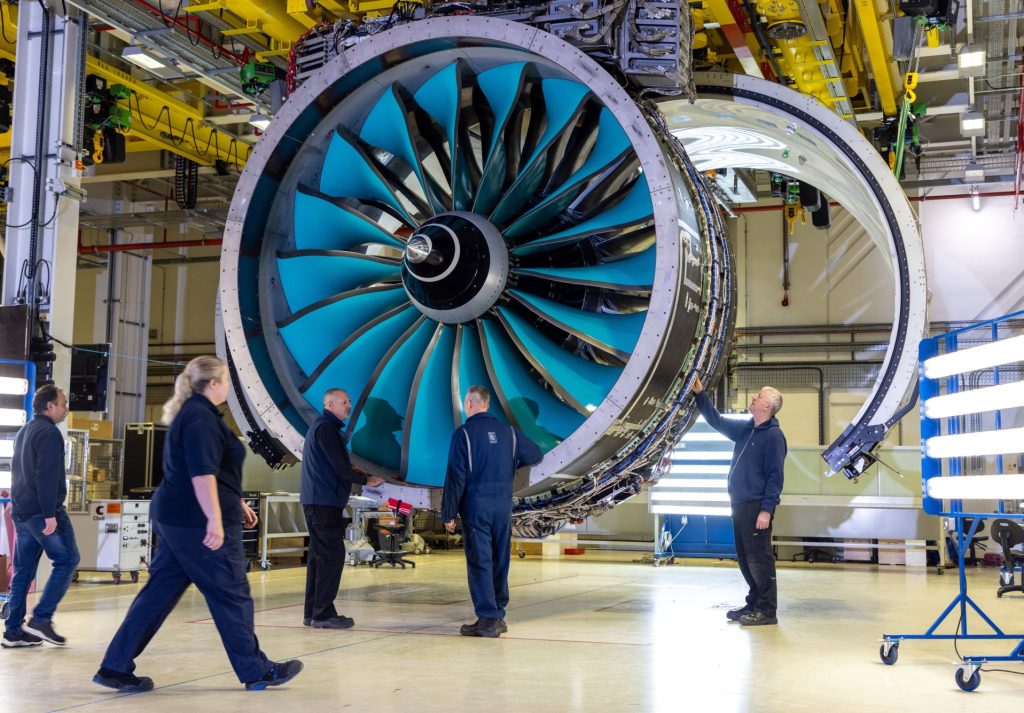
Rolls-Royce has announced a landmark £300m investment in its manufacturing and engineering facilities across the UK. This significant investment reinforces the company’s commitment to the UK’s advanced manufacturing ecosystem, laying the groundwork for further growth across its global Civil Aerospace and Defence businesses.
Rolls-Royce has invested more than £3bn in the UK since the start of its transformation programme in 2023. Across the country, the company has been investing in R&D and cutting-edge engineering programmes, alongside upgrading its facilities and infrastructure.
This new investment will ensure Rolls-Royce’s UK infrastructure can meet manufacturing demand and support the development of future aerospace programmes. It further strengthens the UK’s industrial capacity in aerospace and supports vital sovereign defence capabilities.
Today’s announcement shows that confidence in our country is growing and that world-leading British firms are investing for the future.
Rt Hon John Healey MP, Chancellor of the Exchequer
Rt Hon John Healey MP, Chancellor of the Exchequer, said: This £300m investment by Rolls-Royce is a powerful vote of confidence in Britain’s future and in the economic stability this government is delivering.
“From Derby and Bristol to Rotherham, Glasgow and Warwickshire, it will back skilled jobs, strengthen our sovereign industrial capability, and help drive growth in communities across the UK.
“At a time of increasing global competition, Britain must be the best place in the world to invest, innovate and build. Today’s announcement shows that confidence in our country is growing and that world-leading British firms are investing for the future.”
Healey spoke during his first speech in the role this afternoon, which focused on a “new age of industrialisation”. Healey stressed the need to build a more resilient country, and how supporting young people embarking on their careers is the foundation for this. To “get Britain working again”, he promised the government will:
- Invest £100m in a new local apprenticeship service
- Bring back the Union Learning Fund
- Use the National Wealth Fund to create and support 130,000 jobs across the UK by 2030
While the Chancellor highlighted that “our coal mines are not coming back”, his aims for the Labour Party will be to remake Britain’s industrial past “for the modern age” by backing advanced manufacturing.
Along with the Rolls-Royce announcement the Chancellor also outlined a new pledge to boost apprenticeships plus plans for new Royal Navy floating docks.
Responding to the speech Make UK Chief Executive Stephen Phipson said: “The Chancellor made some welcome announcements such as the investment from Rolls-Royce that will be a boost for those local communities. He is also right to point to advanced manufacturing as the future. We are world-leading in advanced materials, aerospace, defence technologies and, increasingly, renewable technologies.
“Our members are generally positive about this government’s commitment to reindustrialisation. They are ready to get on with the job and make the investments that will support the government’s agenda.
“However, they are still grappling with crippling energy costs, costly new employment regulation and sky-high business rates.
“The government’s warm words will mean nothing to our members if they are not matched by action at the Budget and faster delivery of the Industrial Strategy.”
There was also words of caution from Yselkla Farmer, CEO of trade association BEAMA, said: “The Chancellor has promised a new age of industrialisation, yet electrical manufacturers are seeing a sharp sales slowdown.
“Electrical manufacturing is vital to electrifying Britain’s homes, transport and energy system. The sector supports 90,000 UK jobs and generates £14bn a year. But our latest Market Pulse found that the balance of manufacturers reporting sales growth fell 19 points in the second quarter.
“Four in ten manufacturers were operating at 70% capacity or below. It is deeply frustrating to see so much existing UK manufacturing capacity going unused when Britain is trying to rebuild its industrial strength. These businesses could produce considerably more from the facilities already here.
“Investment and hiring intentions remain positive, showing that manufacturers have the capacity and appetite to grow. What they need now is demand. Plans to direct more public spending towards British businesses and attract investment into clean energy must create a stronger pipeline of work for UK manufacturers. Businesses cannot invest on policy ambition alone.
“We are working hard with government ministers to ensure growth can be realised and expect to publish our Networks Sector Growth plan this autumn.”
For more articles like this, visit our Leadership channel