
From the smoke-streaked skyline of Georgian Sheffield to today’s defence workshops, a steel giant is celebrating 250 years in the making.
Sheffield Forgemasters, the Ministry of Defence-owned engineering heavyweight, is marking its 250th anniversary, having traced its lineage back to 1776, when a pioneering crucible furnace helped turn a cutlery partnership into a steelmaking enterprise that would shape industry, war and community alike.
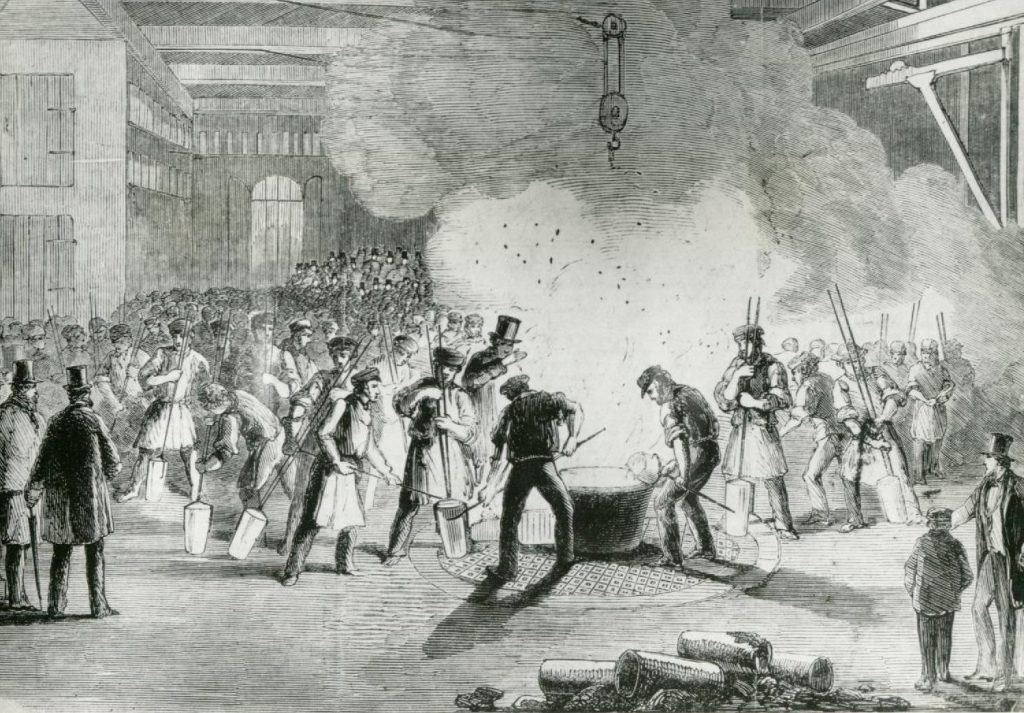
The discovery of that 18th-century origin story came after detailed company research uncovered the work of George Naylor, who in the year of American independence built a crucible steel furnace in Sheffield. His son, George Portus Naylor, later forged links with the Vickers family, early sparks in a lineage that would run through the industrial titans of Britain’s steel age.
From crucible furnace to industrial powerhouse
Over two and a half centuries, the company’s heritage came to embrace names synonymous with British engineering: Vickers, William Jessop & Sons, Thomas Firth & Sons, John Brown & Company, Armstrong-Whitworth and Supermarine. Their combined legacy helped make Sheffield, for a time, the steel capital of the world.
Gary Nutter, Chief Executive Officer, said the anniversary was not just about one firm’s longevity but about recognising a shared inheritance of innovation.
“Following detailed research, we located the company’s first involvement in steel through the pioneering work of George Naylor in 1776,” he said. “We are dedicating 2026 to celebrating the vast contribution our inherited companies made to establishing Sheffield as the world’s most important steelmaking centre.”
Steel and society intertwined
The story of Sheffield Forgemasters is also the story of a city forged in furnace light. Its predecessors supplied steel for America’s railroads, armaments for two World Wars, and innovations that reshaped daily life (most famously Harry Brearley’s discovery of stainless steel in Sheffield).
The company itself emerged in 1983, when Johnson, Firth Brown Ltd merged with British Steel’s River Don Works on Brightside Lane, the same site where Naylor, Hutchinson Vickers & Co relocated in the 19th century. The River Don Works remains the beating heart of the firm today.
“We are privileged custodians of a nationally important chapter of social and industrial history,” Nutter said.
A future hammered into shape
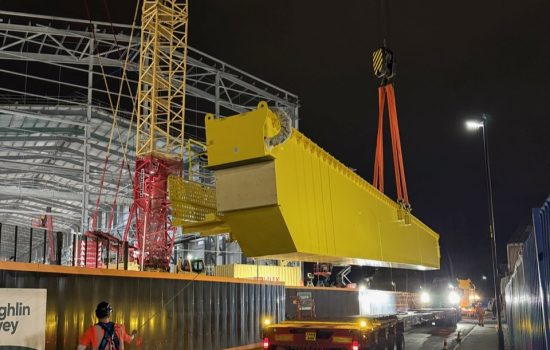
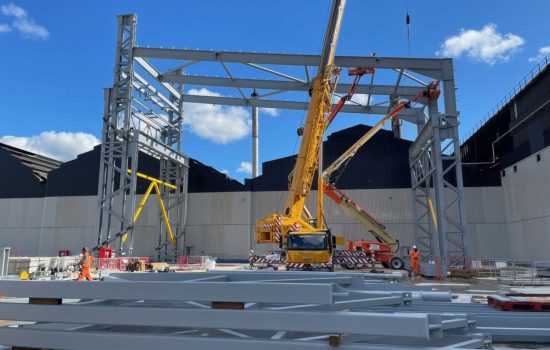
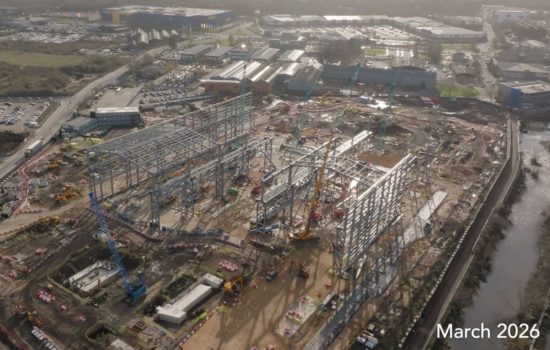
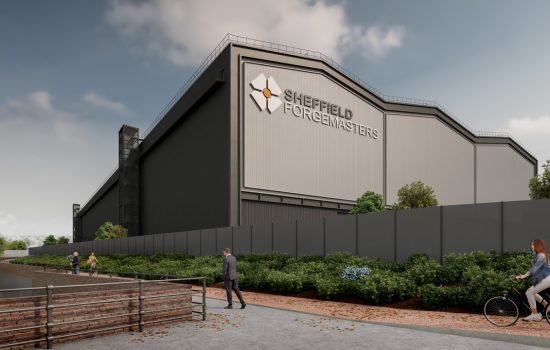
Even as it celebrates the past, Sheffield Forgemasters is investing heavily in what’s in store for the future. A £1.3bn programme includes a new 30,000 m² machine shop on the former Cammell Laird Brightside Steel Works site, alongside construction of a 13,000-tonne forging press, expansion aimed at underpinning the UK’s defence supply chain and opening new roles in civil nuclear manufacturing.
The anniversary year will bring events for employees, alumni and the wider community, honouring the generations who laboured at Brightside and Millsands while highlighting the engineers shaping the next era.
For a city long defined by its steel, the milestone is less an ending than a reminder. Through wars, mergers, closures and renewal, Sheffield’s furnaces have flickered but never gone out. And at River Don Works, where molten metal still pours into moulds, a 250-year story continues to take shape, one casting at a time.
For more articles like this, visit our Leadership channel