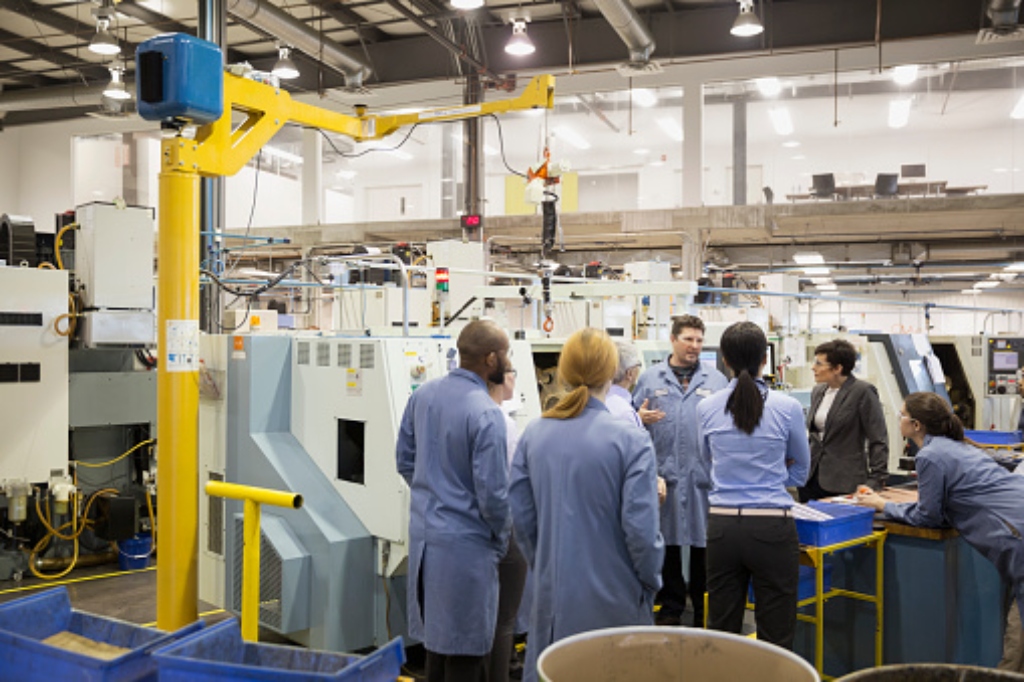
Walk into any manufacturing site and you’ll see the evidence of years of improvement work. Whiteboards filled with KPIs, Lean toolkits, Six Sigma belts, digital dashboards, health & safety campaigns and endless project acronyms.
Yet, despite all this effort, many organisations still battle the same issues year after year – excessive costs, downtime, rework, unplanned maintenance, inconsistent quality and variable productivity.
The problem isn’t a lack of tools. It’s a lack of focus.
Over time, many organisations have mistaken activity for improvement. Operational excellence has become synonymous with how many methodologies have been deployed, rather than how much loss has been eliminated. In a world of shrinking margins and volatile markets, that’s a dangerous distraction. True excellence is not about how well we apply the tools, it’s about how relentlessly we identify, quantify, and eliminate the losses that limit performance.
From tool obsession to loss obsession
Tools are helpful, but they are only means to an end. Lean, Six Sigma, TPM, and digitalisation all provide structure and discipline. The problem arises when they become the goal rather than the vehicle.
An organisation might celebrate completing 200 Kaizen events, training 30 Green Belts, or rolling out a new OEE system, but what has changed? Has the total volume of loss decreased? Has the culture of the site shifted toward daily problem-solving and ownership?
When improvement is measured by activity rather than impact, teams lose sight of what truly matters: The systematic reduction of loss.
What do we mean by losses and a zero-loss mindset?
Loss takes many forms; Downtime, yield, energy, health & safety incidents, material waste, missed schedules, or even underutilised talent. In the most successful organisations, loss is not treated as an operational nuisance; it’s treated as a strategic enemy.
World-class performers make loss visible and measurable. They quantify it in financial terms, categorise it (planned vs. unplanned, avoidable vs. unavoidable), and assign ownership for eliminating it. Over time, that loss mindset changes how people see their work. A maintenance delay isn’t just “part of the job”; it’s a measurable loss of output. A health & safety near miss isn’t just a compliance issue; it’s a loss of human potential.
When you make loss visible, you give people permission and responsibility to improve it. You start to cultivate a mindset where zero-loss thinking starts to permeate every layer by:
- Thinking differently – A clear vision of perfection
- Behaving differently – An intolerance of non-value-added activities
- Leading differently – Breaking the paradigm of historical target-setting habits
- Engaging differently – Accepting that only with 100% employee engagement can we even get close to perfection
Why zero-loss thinking changes culture?
What’s powerful about zero-loss thinking is that it creates a shared language between the boardroom and the shop floor. Finance understands loss in terms of margin. Operations see it in downtime and yield. HR sees it in terms of engagement and turnover. Suddenly, every function has a stake in reducing the same thing.
At a leadership level, that alignment matters. Too often, improvement becomes fragmented, separate health & safety initiatives, digital projects, cost-reduction drives – each pulling in different directions. When everyone rallies around loss, you unify purpose and accelerate progress.
The cultural shift is profound. People start asking, “What loss am I responsible for today?” rather than “Which project am I part of?” It moves improvement from the few to the many.
How to start chasing losses?
So how do you move from tool-driven to zero-loss thinking? It starts with a few key changes:
1. Map your losses before you launch another initiative
Before rolling out another tool, take the time to understand where your biggest losses lie – in output, quality, health & safety, reliability, or process stability. Quantify them financially. This exercise often uncovers millions of hidden value, that’s hiding in plain sight.
2. Make loss visible at every level
Use simple, visual management to connect every team to their top five daily losses. Make progress, or inertia, transparent. When people see the cost of inaction, priorities change fast.
3. Connect loss reduction to leadership standard work
Senior leaders need to spend less time reviewing KPIs and more time understanding what drives the gaps behind them. The best leaders talk about losses daily, not just results.
4. Celebrate loss elimination, not project completion
Stop rewarding teams for activity. Start recognising teams for measurable reductions in loss. This changes behaviour far more effectively than another improvement certificate.
5. Make loss part of your business language
When loss becomes the common currency of performance, financial, operational & cultural improvement stops being a programme and becomes how you run the business.
A return to the roots of operational excellence
At its core, operational excellence was never meant to be a toolbox. It was a philosophy of how to run and continuously improve a business. Somewhere along the way, that philosophy was diluted into checklists and certifications.
Re-centring on loss brings clarity. It forces uncomfortable but necessary conversations about where value truly leaks from the system, and it drives both accountability and empowerment. You can still use the tools, but they serve the purpose and do not define it.
From chasing activity to chasing value
Manufacturers face a future defined by complex supply chains, tighter margins, new sustainability pressures, and a changing workforce. The winners will be those who don’t just do more but lose less. That means teaching every person, at every level, to recognise loss and act on it.
The organisations that thrive in the next decade won’t be the ones with the most impressive Lean programme or digital dashboard. They’ll be the ones who’ve built a culture where no loss is acceptable and where every tool, meeting, and decision is aimed squarely at eliminating it.
In the end operational excellence isn’t about how many tools you use. It’s about how much potential you’ve stopped wasting.
Want to turn those losses into performance gains?
Discover how Performance Solutions by Milliken helps organisations unlock hidden value, strengthens supply chains and builds sustainable operational excellence.
Find out more here.
 Darren O’Connor, Business Development Director, Performance Solutions by Milliken
Darren O’Connor drives global transformation in SCX, OpEx, TPM, Lean, and EHS – leveraging 25+ years’ experience to deliver sustainable, performance improvement.
Contact email: [email protected]
LinkedIn: Darren O’Connor | LinkedIn
For more articles like this, visit our Digital Transformation channel.