
The publication of the updated Clean Flexibility Roadmap provides a useful snapshot of how thinking around flexibility is changing. Earlier versions understandably focused on setting direction and establishing the case for flexibility. The latest update feels different where the emphasis is increasingly on implementation and the practical steps needed to make a more flexible energy system work. That has implications for manufacturers.
Flexibility is becoming a product requirement
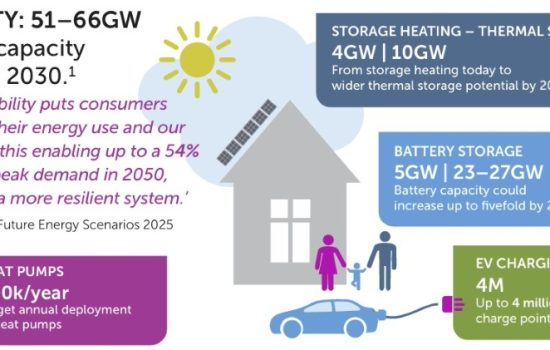
The Roadmap continues to reinforce the value of flexibility in reducing system costs, integrating renewable generation and supporting electrification. Delivering those ambitions will increasingly rely on products that can respond intelligently to changing system conditions. Heat pumps, electric vehicle charge points, battery storage, smart controls, and home energy management systems are all expected to play a more active role in balancing the electricity system than they have in the past.
A recurring theme in the Roadmap is interoperability. Products will increasingly need to communicate with each other, exchange data securely and respond consistently to flexibility signals, regardless of manufacturer or service provider. For manufacturers, this means looking beyond individual products towards how they operate as part of a wider connected energy system.
Getting this right is also important for consumer confidence. Participation in flexibility should be straightforward and deliver tangible benefits for consumers. If products are difficult to configure, behave unpredictably or operate differently across services, consumer trust will inevitably diminish. Simplicity, transparency and reliability are therefore becoming design considerations
Policy timelines need to work for manufacturers
The updated roadmap also highlighted how closely flexibility is becoming linked with other programmes. Initiatives such as Smart Secure Electricity Systems (SSES), smart metering reforms, and the development of interoperability standards are all shaping the environment in which manufacturers are designing future products. While each programme may have its own objectives, there is a clear need for coordinated development to avoid unnecessary complexity or conflicting requirements.
The key challenge is how these programmes are implemented. Product development, testing, certification, and manufacturing operate on very different timescales from policy development. Greater certainty around standards, regulatory requirements and implementation dates will help manufacturers invest with confidence while avoiding unnecessary redesign or disruption further down the line.
Designing for a connected energy system
Electrotechnical manufacturers are already navigating these changes. Through BEAMA’s work on Smart Buildings, SSES, Smart Metering, and Consumer Energy Data, we see first-hand how closely these programmes are becoming linked. Manufacturers are designing products for an energy system where technology, standards, markets and regulation all need to work together.
The updated Roadmap doesn’t answer every question, nor should it. What it does provide is a clearer indication of where the sector is heading. For manufacturers, what that means is developing products that are increasingly connected, interoperable and capable of supporting a more flexible electricity system, while continuing to meet the expectations of installers, consumers and the wider energy market. Giving manufacturers the certainty and time to deliver that will be critical to turning the Roadmap’s ambitions into reality.
For more articles like this, visit our Sustainability channel