Leather manufacturing has found itself at a crossroads. Consumer and brand demand for sustainable products is skyrocketing, and the biomaterials industry in particular is exploding as a result. The leather industry, which has been around for over 1,000 years, has already seen its first wave of disruption from the synthetic leather industry. Stephanie Downs, CEO and Co-Founder of UNCAGED Innovations explains more.
Starting only 50 years ago, the synthetic leather industry has already taken 40% of the ‘leather’ market from the leather industry. The US, once employing over 300,000 people in the tanning industry, as of 2024, only employs roughly 4,000 people, with less than 200 tanneries remaining. Tanneries continue to shut, including one of the UK’s largest tanneries, Pittards, which closed its doors after 200 years.
With demand for biomaterials only growing stronger, tanneries and leather manufacturers now have a rare opportunity to embrace this shifting landscape by collaborating with sustainable material innovators – or they risk becoming obsolete.
The biomaterial boom
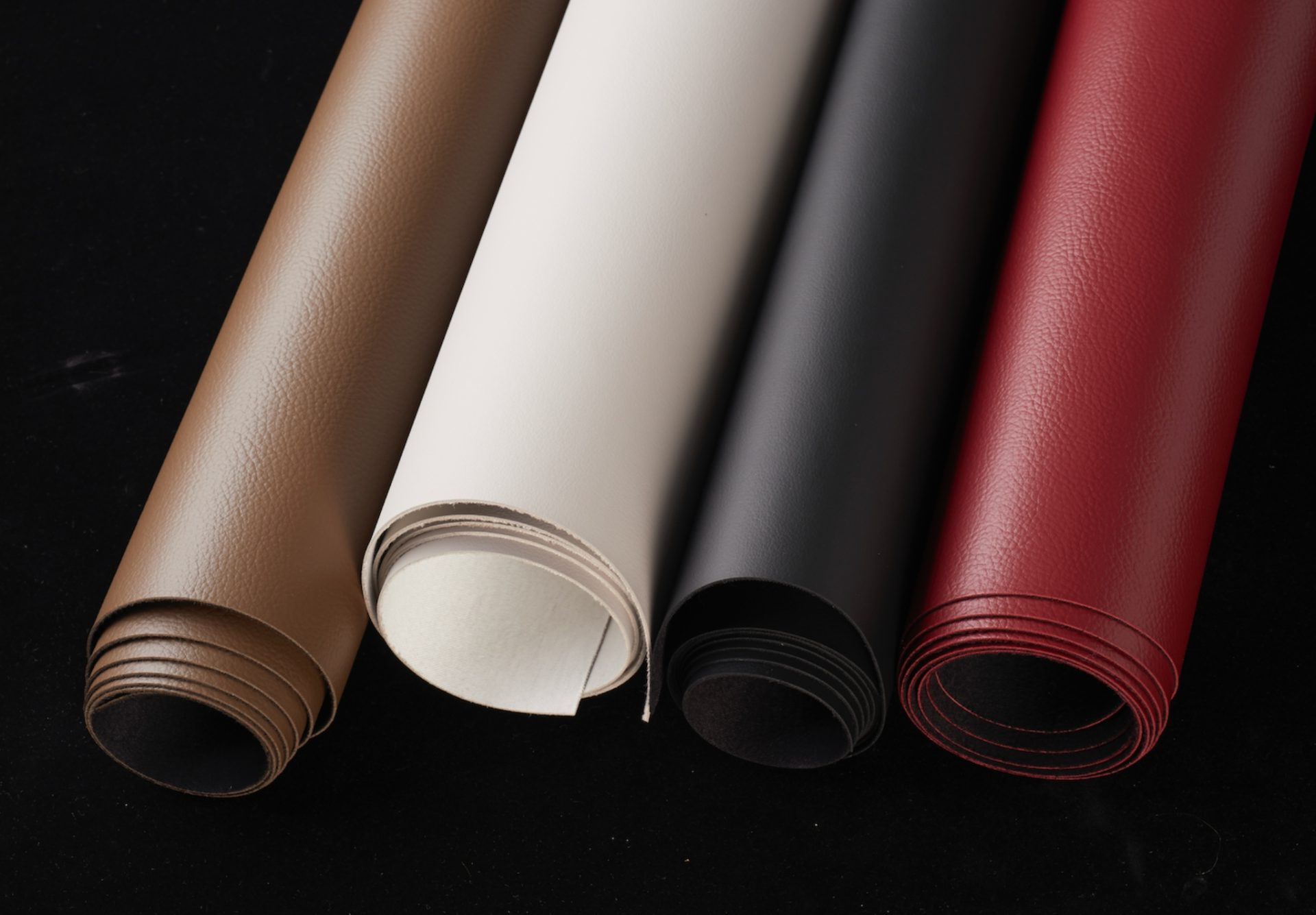
Today, the market for sustainable material alternatives includes products made from an incredible array of natural ingredients, such as grains, mushrooms and exotic fruits. Innovators are producing materials that match, or even exceed, the aesthetic and functional qualities of traditional leather. Importantly, these materials come with significantly lower environmental footprints, requiring fewer natural resources and producing less waste.
Meanwhile, low-quality substitutes for animal leather, like pleather – faux leather made of plastic – have dominated, eating into the leather industry’s market share and growing at twice the rate (12% CAGR) of leather goods. To me, the case is clear.
Tanneries have a unique opportunity to collaborate with biomaterial innovators to take back their lost revenue and dampen the proliferation of harmful plastic materials. By tapping into the demand for more sustainable brands, tanneries can diversify their revenue streams via access to new products, improve their environmental image and future-proof the industry for decades to come. At the same time, biomaterial companies can access centuries of knowledge, craftsmanship and robust infrastructure to accelerate the development of their materials.
Consumers and brands alike want change
Statistics consistently prove that there is a growing demand for ethical and environmentally friendly alternatives, largely due to the cultural shift among Gen Z and Millennial consumers. This shift will only accelerate with Gen Alpha, but already nearly half (48%) of global consumers are actively avoiding animal-derived materials due to ethical or environmental concerns.
But it’s not just consumers. Multinational companies like Volvo and Apple have made statements over the last few years, announcing their intention to step back from leather in order to satisfy a consumer base that wants sustainably sourced products and to reach net-zero carbon emissions targets. In a previous role, I personally held negotiations with Elon Musk and his team, which resulted in the blanket adoption of leather alternative interiors across the Tesla fleet, making the brand one of the first major automakers to fully embrace biomaterials across its product line.
When legacy becomes a liability
Tanneries have decades of history, spanning multiple generations that have worked exclusively with animal hides. It’s certainly not easy to change the way things are done when work becomes tradition-bound by close familial ties.
However, there is a catalogue of instances where companies have failed to read the writing on the wall and cling to outdated business models, leading them to become cautionary tales. Leather alternatives aren’t as ‘other’ as we need to think; it’s just a new type of hide.
A prime example of this is Kodak; once a titan in the photography industry, Kodak’s downfall can be traced to its failure to adapt to the digital photography revolution, despite being the company that invented the fi rst digital camera. This attitude allowed competitors to decimate its market share until it eventually fi led for bankruptcy.
Other brands that have met similar misfortune, include the likes of Blockbuster, with its failure to adapt to the rise of streaming services, BlackBerry, once the ‘must have’ phone of the early 2000s, left behind due to the growing demand in touchscreens, and Yahoo, which had a chance to buy Google and Facebook, but were too afraid to take risks. History is littered with examples of businesses failing to adapt to the ever-changing world around them.
Understandably, the leather industry wants to protect its legacy, but this reluctance will mean history repeats itself eventually.
What is the meaning of leather?
Instead of embracing biomaterial innovation, the leather industry is doubling down on its refusal to work with innovators. Some campaigners are even lobbying to restrict the definition of ‘leather’ to only animal-based products. For example, regulators in Portugal and Italy have banned the term ‘vegan leather,’ imposing fines and even criminal proceedings on companies that use it. They argue it is misleading to equate synthetic or plant-based material with genuine animal-derived leather, despite there being no comparable outcry over terms like ‘faux fur’.
But language and reality have never stood still. Ice, for instance, was once defi ned as a natural product harvested from frozen lakes and rivers. When refrigeration technology emerged, the ‘natural ice’ industry insisted that machine-made ice was ‘artificial ice’. They even tried to scare consumers into thinking ‘artificial’ ice was somehow unnatural and even dangerous.
Yet the world moved on, because function mattered more than outdated defi nitions. Today, no one wants to eat ice chipped from a dirty lake or question whether the cubes in their glass are authentic. The meaning of “ice” evolved because necessity made evolution unavoidable.
The ultimate irony in this is that conventional leather is no longer ‘natural’. While vegetable tanning was once the norm, today, leather is processed with toxic chrome tanning, a method that pollutes waterways, releases carcinogens, and harms workers. In many parts of the world, leather tanneries are among the worst off enders in environmental damage, exposing local communities to hazardous waste.
If the industry truly cared about tradition and providing a natural material, it would be advocating for sustainability, not clinging to methods developed during the Industrial Revolution that endanger people and the planet.
The time for change is now
Forward-thinking leather tanneries have an opportunity. The companies that collaborate with innovators in bio-based, lab-grown, and plant-derived materials will be the ones that thrive. Just as major automakers have now invested in electric vehicles, leather manufacturers must recognise that the future of leather isn’t animal-based – it’s technology-driven.
Two-hundred years ago, people rode horses for transportation and burned whale oil for light. Today, they drive electric cars and use LED bulbs. Progress is inevitable. The question for the leather industry is simple: Will you be part of the future, or a relic of the past?
For more articles like this, visit our Leadership channel