
Today, March 8, marks International Women’s Day 2026.
As we celebrate the important role women play within the manufacturing industry, we need to also look at where it is lacking. The manufacturing sector stands at a crossroads: while women now make up 28.4% of the workforce, over the next decade 1 in 4 people within the sector will be retire (74% being men) opens up a huge space for women. This means the industry must successfully recruit 800,000 more women to meet its 2035 goals and secure the next generation of industrial innovation.
But, women in manufacturing are vital as diverse teams foster greater innovation. Representation among women from non-white backgrounds has also grown sharply, from 9.6% in 2023 to 13.5% in 2024. The most notable increases came from women of Indian, Black, and other Asian backgrounds.
Women in senior roles are also on the rise, now holding 24.8% of managerial, director, and senior positions in the sector. The gains may seem small but they mark steady progress toward the government’s goal to increase the percentage of women to 35% by 2035.
The Manufacturer strives to highlight women everyday, not just today. Here are some recent features from the key women in the sector:
- Borough Broth’s journey from kitchen to supermarket
- The engines of change: a visit to Ford Dagenham
- Net zero at JLR: A closer look at JLR’s journey to net zero by 2039
Marking the occasion
In celebration of the day, The Manufacturer spoke with women across the sector asking them each three questions:
- In your opinion, why is it so important to have more women working in the manufacturing industry right now?
- Who is one woman (past or present) who has inspired you in your career?
- What’s one piece of advice you’d give to a woman starting out in this sector?
Find the inspiring women and their answers below.
In your opinion, why is it so important to have more women working in the manufacturing industry right now?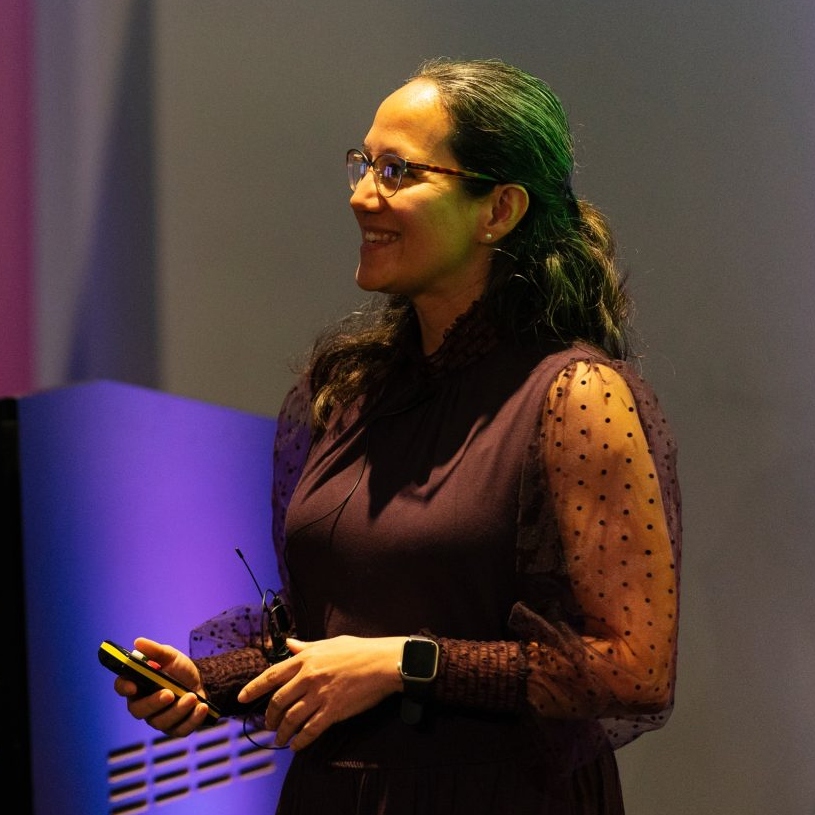
Increasing the participation of women in manufacturing can contribute to making the sector more innovative and competitive. A more inclusive sector would be better positioned to attract and retain a diverse workforce, including women and younger generations. This would bring new perspectives, boos innovation and help to address the skills shortages that are particularly acute in an increasingly competitive global landscape.
Who is one woman (past or present) who has inspired you in your career?
Ella Whellams, Events Manager at the Institute for Manufacturing, University of Cambridge. She is a remarkable advocate for women in manufacturing, consistently ensuring that women’s voices are represented in key manufacturing forums. Her trust has helped me and many others to gain confidence as public speakers.
What’s one piece of advice you’d give to a woman starting out in this sector?
I would advise women starting out in manufacturing, at different stages of their careers, to build strong professional networks, which are an invaluable resource. In this sector, I have met exceptional women who are always willing to offer support and extend a helping hand.
In your opinion, why is it so important to have more women working in the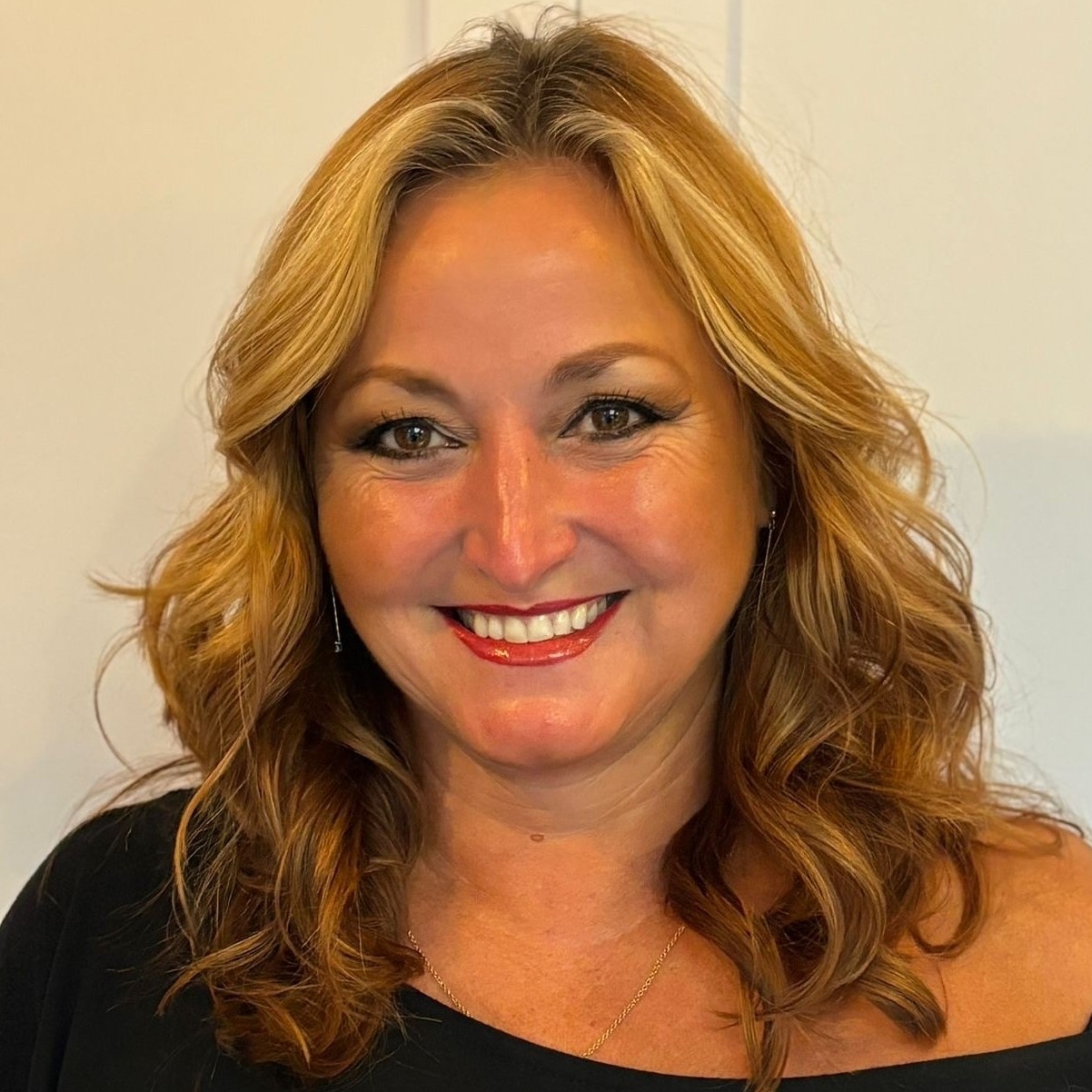 manufacturing industry right now?
Men and women’s brains operate very differently and at times, we view things from completely opposing perspectives. Having a diverse workforce in terms of age, gender, race, beliefs etc. encourages a much more balanced and progressive way of thinking, solving problems and approaching industry and economic challenges. As a female leader within a male dominated industry, I do believe I have been able to utilise my personality, my value system, and my empathy, to create a much more collaborative and communicative business than many in our sector.
Who is one woman (past or present) who has inspired you in your career?
The first lady to inspire me was called Suzy Bates, a buyer from Horstman Defence Systems. She was the first big female personality I met in engineering over 30 years ago and I loved her attitude, approach, and her confidence…and I was very envious of her glamour!
What’s one piece of advice you’d give to a woman starting out in this sector?
Do not try and be someone you’re not in order to fit in and do not accept the “this is the way we’ve always done it” which is a common reply in engineering and manufacturing. It is your unique perspective and attributes which will add value to a business so don’t replicate what you believe is already there. Also, learn everything, across every level and function, including the technical aspects. It’s what will set you apart and give you the grounding for a hugely rewarding and successful career!
In your opinion, why is it so important to have more women working in the manufacturing industry right now?
Manufacturing has long been male dominated which has continued to make it difficult for women to break into the industry. I feel like the step change has started to happen and now is a crucial time for women to build on this and further strengthen our position in the industry.
Who is one woman (past or present) who has inspired you in your career?
Like many I’ve been hooked on the Winter Olympics and I’m very inspired by Alysa Liu. She stepped away when her career was not good for her, came back on her own terms, and gave the best performances, full of joy, that many have ever seen. She made the changes she needed to start loving what she is doing, and this showed in what she was doing. I think there is so much that can be learned across many industries from what she has achieved.
What’s one piece of advice you’d give to a woman starting out in this sector?
Don’t be afraid to reach for the stars. Women belong in this industry as much as our male counterparts, the sky is the limit – push for what you want.
In your opinion, why is it so important to have more women working in the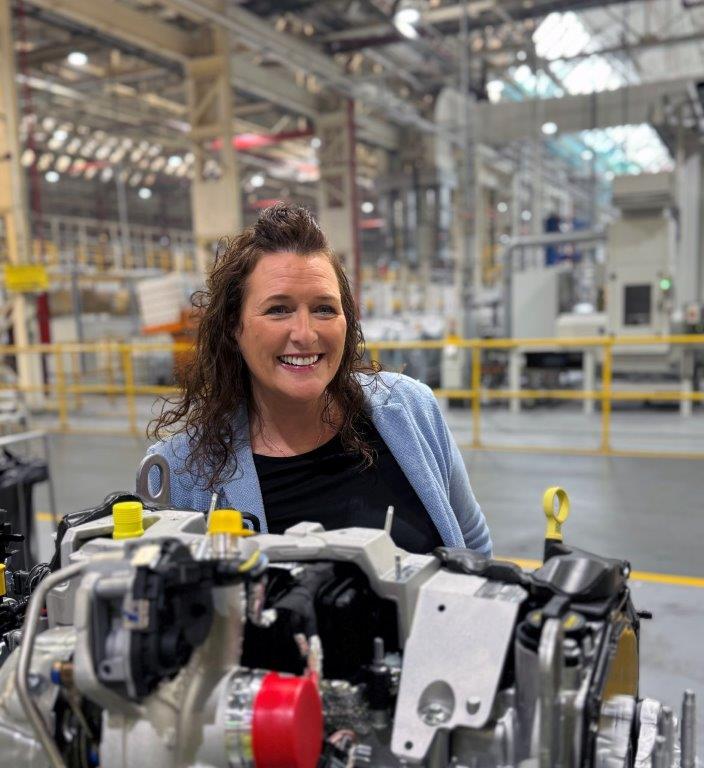 manufacturing industry right now?
We need to showcase that working in manufacturing really can be anything you can imagine it to be, from design and engineering to operations and management, there is such a diverse range of roles and opportunities that will appeal to people of all backgrounds and interests to thrive and succeed in. The breadth of roles even within a single manufacturing company allows flexibility to move around this inclusive and supportive industry. Girls who find STEM subjects fun can find themselves funnelled into the traditional scientific roles and miss out on the wealth of opportunities in manufacturing if they don’t see the role models in their communities, social media and experience it via partnerships with schools and community organizations. We do need to highlight the achievements of women who are working in manufacturing as inspiration/ validation that it is possible career path.
Who is one woman (past or present) who has inspired you in your career?
Judith Hann who presented a tv series called Tomorrows World running through my childhood sparked my interest in how new innovations and technology would shape our future daily lives and led me into the world of science and engineering as a career path.
What’s one piece of advice you’d give to a woman starting out in this sector?
Be authentic, be yourself and let your personality shine through, you can waste a lot of time and energy trying to fit into a perceived model of working and miss giving your energy to creating added value.
In your opinion, why is it so important to have more women working in the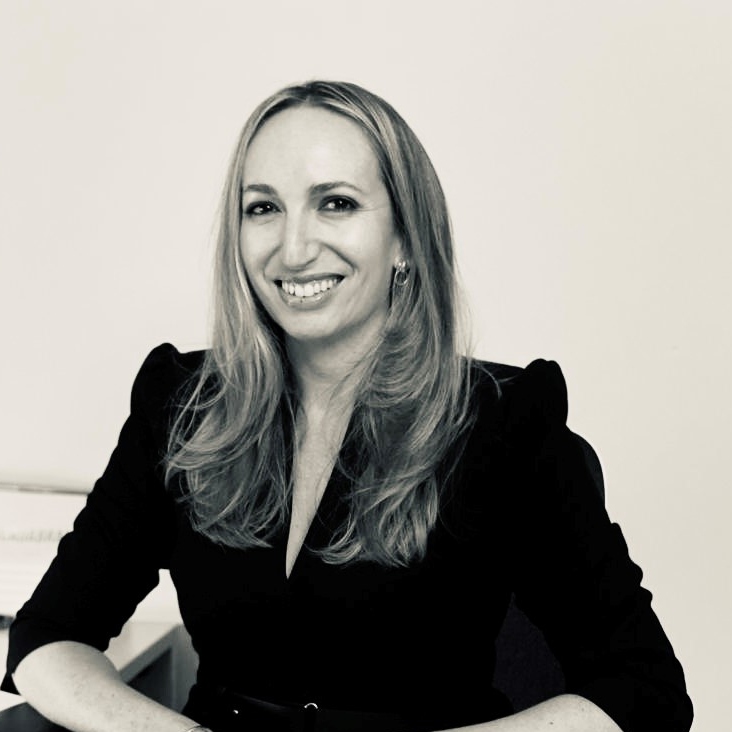 manufacturing industry right now?
It’s important to attract more people to the sector generally, men and women alike, especially in engineering and hands-on manufacturing roles.
However, with industry being so heavily male-dominated it can be a little intimidating, and younger women and girls need to see women in roles they can aspire to.
There are a lot of fantastic female leaders in manufacturing, and we need to celebrate them – not just on International Women’s Day, but all through the year.
Who is one woman (past or present) who has inspired you in your career?
Marigay McKee was my boss at Harrods and has always been an inspiration to me. She was very demanding of her team and expected an incredibly high standard of work, self-presentation and attention to detail…I was terrified of her, but in a good way!
I wanted to do a great job for her because I understood what she was seeking to achieve, and I wanted to be a part of that success. She challenged me in many ways. Looking back, it was great training for what I’m doing now at Big Bear.
What’s one piece of advice you’d give to a woman starting out in this sector?
Build a network of other women in the sector to collaborate with and share lessons. It’s also always nice to have someone to say hello to at events! Talking to other women in business, and in life, has shown me that they are most likely experiencing similar issues. It’s always a relief to know “…it’s not just me!!”
In your opinion, why is it so important to have more women working in the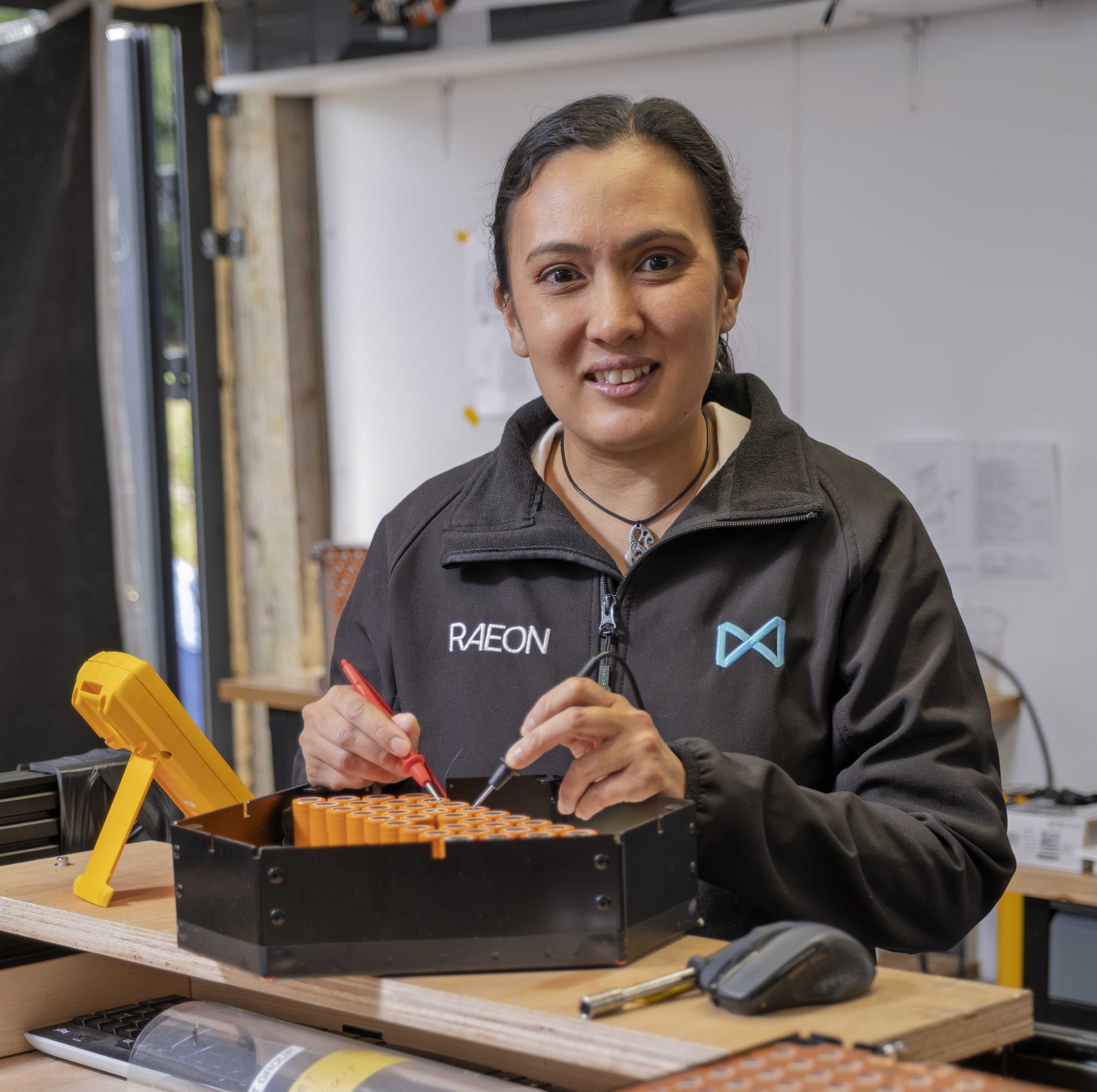 manufacturing industry right now?
Despite the outdated stereotypes that we still see in the media, manufacturing and engineering is a highly creative and innovative industry, that requires new ideas, new ways of thinking and new minds to help solve problems. The industry remains heavily male-dominated, which severely limits the variety of backgrounds, ideas and viewpoints. In order to continue to push the boundaries of innovation, we desperately need diversity in the industry, and for the industry to listen and tap into the various talents and perspectives, and capitalise on the potential of everyone in the room, regardless of background, experience and gender.
We’re also desperately short of engineers, and the problem is only set to intensify. Students can’t be who they can’t see, and we need more positive role models in the industry to show young girls that they not only have a place in manufacturing, but an exciting, successful and creative career is waiting for them.
Who is one woman (past or present) who has inspired you in your career?
Without a doubt, my sister has been a huge inspiration to my career. She knew from a young age that she wanted to practice medicine, because she wanted to help people. Whilst I also shared her passion for helping others, I knew medicine wasn’t a career path I wanted to pursue. Despite the differences in our journeys, her success in a STEM career really inspired me to chase my own dreams and showed me that I can combine my own interests and personal goals with a meaningful career. Now, I help others in my own way. My career has focussed on developing net zero technologies to support the reduction of carbon emissions in the automotive industry, as well as the development of alternative powertrains through hydrogen and now battery technology.
What’s one piece of advice you’d give to a woman starting out in this sector?
Women have so much to offer the industry, and we can think and solve problems in ways our male counterparts cannot. We need more women in the industry to help solve some of the world’s biggest problems, from technologies to combat climate change, to the manufacture and delivery of safe medicines. You not only belong, but you are also desperately needed, and you can have an incredibly successful and fulfilling career. Please make sure your voice is heard!
In your opinion, why is it so important to have more women working in the manufacturing industry right now?
Manufacturing is evolving rapidly, and to keep innovating we need the widest possible pool of talent. Bringing more women into the industry will strengthen teams with diverse perspectives that improve problem-solving, decision-making and ultimately commercial outcomes. Greater representation also helps change perceptions, showing the next generation that manufacturing is a dynamic, technical and rewarding career path open to everyone.
Who is one woman (past or present) who has inspired you in your career?
One woman who has really inspired me is my old university lecturer, Debbie. She combined technical knowledge with industry insight and never diluted the complexity of the subject. She expected high standards and made us believe we were capable of meeting them. Seeing a woman leading confidently in a technical field made a lasting impression on me and reinforced that there’s absolutely a place for women at every level of science.
What’s one piece of advice you’d give to a woman starting out in this sector?
Don’t underestimate your capability. Manufacturing can seem intimidating at first, but competence speaks for itself. Back yourself, ask questions, and focus on building real technical depth, confidence follows from that. You don’t need to fit a stereotype to succeed in this industry; bring your own perspective and let your work demonstrate your value.
In your opinion, why is it so important to have more women working in the manufacturing industry right now?
Manufacturing is the backbone of the UK we’re going through significant cultural and technological transformation, and I genuinely believe that change is only as strong as the people driving it. When you have diverse voices, diverse perspectives, and diverse life experiences at the table, you make better decisions. Women bring exactly that. The industry has traditionally been male dominated however this is slowly but surely changing to reflect modern practices and ways of thinking. From where I sit in HR, I see every day how a more inclusive workforce drives better engagement, better innovation and better outcomes for the whole business.
Who is one woman (past or present) who has inspired you in your career?
This is a very good question I would have to say a lady called Christine G from a previous workplace which was also heavily male dominated. Twenty years ago, it was not common for women to hold such high positions in large organisations however due to her integrity, clear focus on people and culture alongside business performance she redefined what leadership should look like. The combination resonates deeply with me, it’s a reminder that you don’t have to choose between being a strong leader and being a people-centred one in fact, the best leaders are both.
What’s one piece of advice you’d give to a woman starting out in this sector?
I would say back yourself and never stop learning. Early in your career, it’s easy to feel like you must prove yourself twice as hard or wait until you feel “ready” before putting yourself forward. My advice is don’t wait! Seek out every learning opportunity, whether that’s a formal qualification, a mentoring relationship or simply volunteering for a project outside your comfort zone. The manufacturing sector genuinely rewards people who are curious, resilient, and committed to growth. Your perspective as a woman in this industry is not a disadvantage it’s an asset. Own it.
In your opinion, why is it so important to have more women working in the manufacturing industry right now?
We need more women in manufacturing because the industry genuinely performs better when it has diverse teams. UK data shows women make up only 26% of the manufacturing workforce, yet the sector is facing major skills shortages. Bringing more women in isn’t just about fairness, it strengthens the talent pool. UK case studies have shown real operational benefits too. One factory saw unplanned absences drop by around 30% and maintenance compliance jump from 0% to 90% after increasing female representation in shift‑lead roles, which says a lot about the consistency and discipline women bring to the shop floor. And at a leadership level, global research continues to show that companies with more women at the top tend to be stronger, more responsible and better at developing people. Taken together, it’s clear: the industry simply performs better when women are part of shaping it.
Who is one woman (past or present) who has inspired you in your career?
The woman who has inspired me the most is my mother, Amisha Agarwal. She’s always been my biggest supporter; someone I turn to for every major decision. I’m in London today because of her belief in me and the standards she set for me from a young age. She’s a strong, grounded woman who taught me some of the most important principles I live by, especially the importance of financial independence for women. Her guidance, her strength, and her unwavering trust in me are the reasons I push myself. She has truly been a guiding light throughout my life.
What’s one piece of advice you’d give to a woman starting out in this sector?
Be thick‑skinned. Manufacturing can be demanding, fast‑paced, and sometimes challenging but that’s also what makes it exciting. Don’t look for external validation; do it for yourself and for your own growth. There will always be people who feel uncomfortable with your ambition or your confidence. Don’t let anyone dim your light or steal your thunder. Own your space, back yourself, and keep moving forward.
In your opinion, why is it so important to have more women working in the manufacturing industry right now?
Because women are already driving the food economy; In many households, women are the primary grocery shopper. Research consistently shows they influence around 70-80% of purchasing decisions. They are shaping the basket.
Yet food manufacturing, especially at leadership and operational level, has historically been male dominated. That disconnect makes no sense to me.
If the people buying the food are not reflected in the people making it, you miss insight. You miss nuance. You miss what matters in a real kitchen, on a real budget, in a real week. And shoppers are increasingly concerned with where their food comes from and how it’s produced. So, we should be ensuring representation is across the board.
More women in food manufacturing are not about optics. It is about building businesses that are aligned with the consumer and commercially sharper because of it.
Who is one woman (past or present) who has inspired you in your career?
I grew up in a village near Littlehampton in West Sussex, where the Body Shop factory was based. A lot of friends worked there, so the brand never felt abstract to me. It was local. It was real. We all felt very proud of it. And thus Anita Roddick was a hugely inspiring character.
Everyone who had met her spoke about her energy and conviction. She cared deeply about product, she understood marketing instinctively, and she built a global brand on strong ethics long before that was fashionable.
In many ways, she built the blueprint for what the B Corp movement now champions. Commercial, values led, unapologetically principled.
That combination has always resonated with me. Build something brilliant. Build it properly. Stand for something while you do it.
What’s one piece of advice you’d give to a woman starting out in this sector?
Just because a way of doing something doesn’t exist doesn’t mean it’s not possible. I was told many times the way I run my business won’t be viable. That I would have to compromise on quality or ethics. I’m very pleased to say I’ve proven them wrong.
Stand up for what you believe in and stick to your guns. If you’ve got something others can believe in too, the numbers will work.
In your opinion, why is it so important to have more women working in the manufacturing industry right now?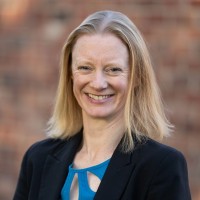
Manufacturing is facing a skills and labour shortage that shows no sign of easing. At the same time, only around 28% of the UK manufacturing workforce is female. Those two facts together should be enough to make every business leader pay attention.
This goes beyond filling vacancies. The evidence is clear that diverse businesses perform better. McKinsey’s research across more than 1,200 companies found a consistent correlation between gender diversity in leadership and stronger financial performance. The Cambridge Industrial Innovation Policy’s Women in UK Manufacturing report, the most comprehensive review of our sector, concluded in 2025 that inclusive leadership is now essential for competitiveness and resilience.
According to a 2024 survey by the Women in Manufacturing Association, 81% of women already working in manufacturing recommend it as a career, higher than the equivalent figure for men. I count myself firmly among them. The problem is that too few women ever consider it in the first place, because the image of the industry hasn’t kept pace with the reality.
Manufacturing today demands analytical thinking, collaboration, and the ability to hold complexity. The challenges of digital transformation, sustainability, supply chain resilience require breadth of thinking, and that comes from diverse teams.
Representation at leadership level matters too. Less than a quarter of management and senior roles in UK manufacturing are held by women. If young women don’t see people like them leading businesses and setting strategy, why would they choose this path? Visibility can change the future of the sector.
Who is one woman (past or present) who has inspired you in your career?
When I first joined a large business in the construction industry, there were women in senior positions. They showed me that being a woman wasn’t a barrier to reaching the top. That was valuable.
But I also noticed something: they generally fell into two camps. Some performed masculinity to fit in. Others leaned hard into feminine stereotypes in ways I didn’t approve of. Those early lessons taught me what was possible, but also what I didn’t want to become.
The truth is my real influences on leadership have been men as much as women. I’ve learned from people who were simply good at their jobs. They were competent, professional, and who treated others well. I’ve also seen bad leadership from both genders, and I’ve always thought that’s not how I want to make people feel. That’s not how I want to be remembered.
I consider myself a professional individual who happens to be a woman. I’ve faced some nonsense because of my gender over the years. But I don’t think the answer is to perform a role or lean into a stereotype. The answer is to be capable, to do the job well, and to lead with integrity.
The brilliant women I’ve worked with over my career have been great project managers, salespeople, HR leaders, they’re the ones who stand out. Not because they’re women doing remarkable things despite their gender, but because they’re professionals doing difficult jobs well, regardless of gender. That’s what I’ve tried to emulate. That’s what I think matters.
What’s one piece of advice you’d give to a woman starting out in this sector?
I mentored a woman once who was a manager in a male dominated environment. She believed her struggles were because of her gender. They weren’t. Her challenges came from how she was approaching the situation. Once she stopped viewing gender as the problem and started viewing herself as a capable professional, things changed. Not just for her, but in how the men around her responded to her.
That’s not to say you won’t face disappointing behaviour from others. Unfortunately, you probably will. That’s the other person’s problem and a reflection of their limitations, not yours.
I’ve been working in business for more than twenty-five years. Things are genuinely better now than they used to be. Not as good as they should be, but better. The playing field has shifted. That gives you an advantage I didn’t have at the start.
So, my advice is this: be competent. Be professional. Be yourself. Don’t perform a role or apologise for your presence. Get on with doing the job well. If you’re competent at what you do, the fact that you’re a woman becomes far less of a defining factor to you, and to the people around you.
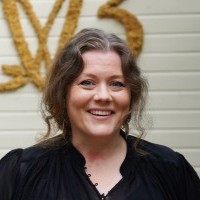
The statistics speak for themselves really; women make up just 28% of the UK manufacturing workforce and only 16.9% of engineers are women. That means our industry has been missing out on an enormous pool of talent and fresh thinking, and in a challenging and competitive global market, we simply can’t afford to do that any longer.
Who is one woman (past or present) who has inspired you in your career?
Ironically, my first female career inspiration turned out to be a fictional one, Ally McBeal convinced me I wanted to be a lawyer, which didn’t quite work out! But my real inspiration these days is Fiona Stewart, managing director of the Green Man Music Festival in Wales and not just because of my love of this year’s lineup. She is the only woman in the UK to have controlling ownership of an independent music festival, and the Green Man Trust she founded has supported more than 13,000 people and raised more than £2m to connect more people with music and science. The festival also aims for a 50/50 gender split across its stages and that’s an equality I’d love to see across manufacturing and engineering one day.
What’s one piece of advice you’d give to a woman starting out in this sector?
Don’t wait until you feel you tick every single box before you put yourself forward. In my experience, women often wait until they could do a role standing on their head before applying. Back yourself, make yourself visible, and let the employer see what you can bring. There’s an awesome community of people supporting women in manufacturing, and we’re here to help you press the “apply” button for your next step.
In your opinion, why is it so important to have more women working in the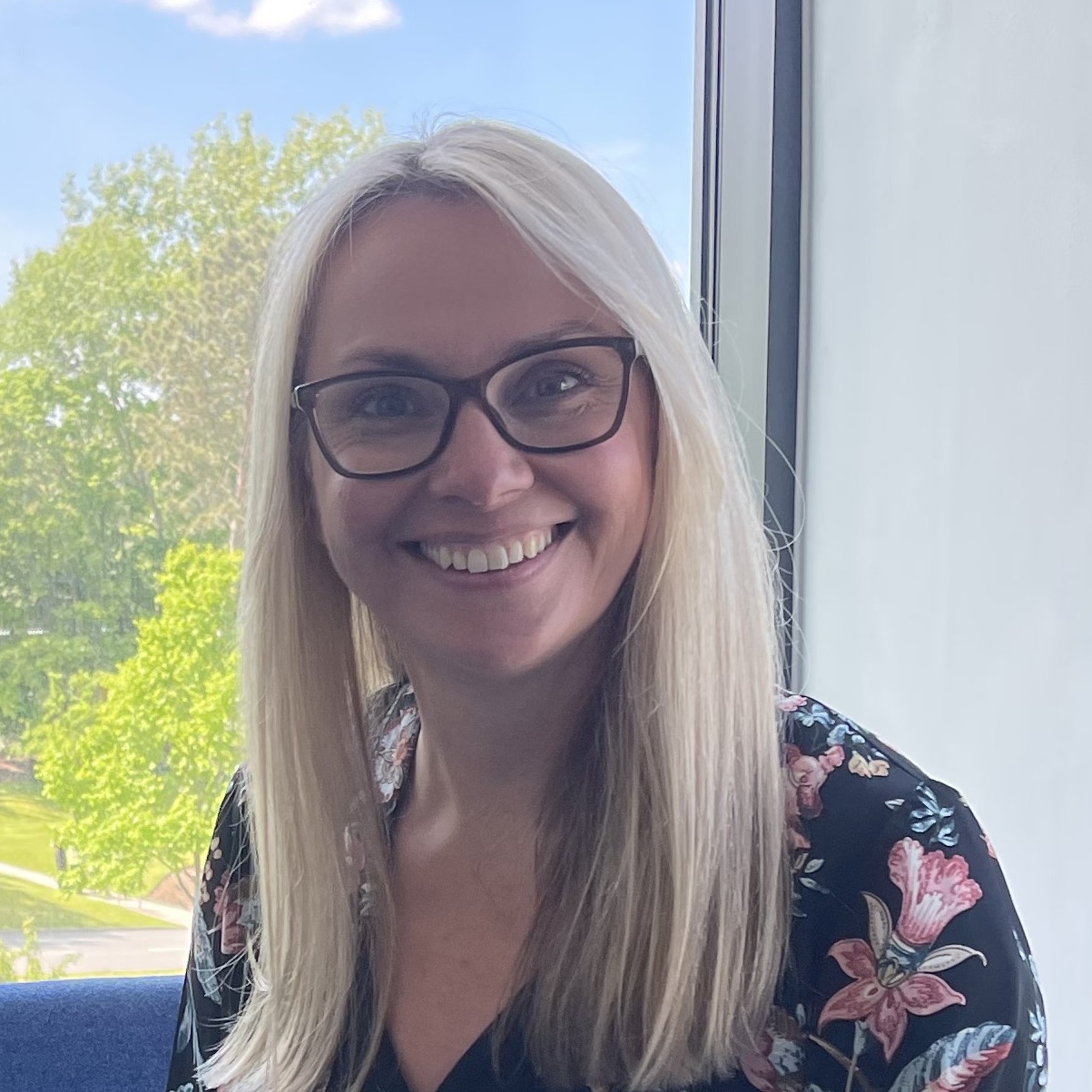 manufacturing industry right now?
I firmly believe that bringing more women into manufacturing will only strengthening our industry. It has been repeatedly proven that diverse teams consistently make better decisions, solve problems more effectively and drive innovation which is exactly what our manufacturing sector needs right now. In addition, there is an urgent need to close the skills gap and broaden the talent pool, both of which can be achieved by attracting and retaining more women into British Manufacturing.
Who is one woman (past or present) who has inspired you in your career?
I am inspired by every woman and girl I meet who puts themselves outside their comfort zone and has a go.
What’s one piece of advice you’d give to a woman starting out in this sector?
Be true to yourself, the power in diversity comes from everyone bringing forward their skills and their perspective. Seeking out a mentor(s) who can inspire and support you when you need it has also been very beneficial for me.
In your opinion, why is it so important to have more women working in the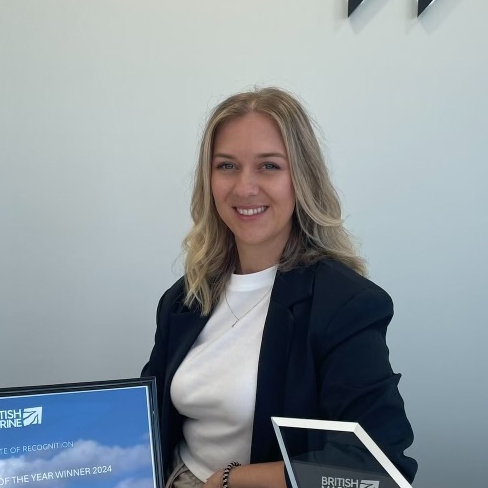 manufacturing industry right now?
Firstly, because there’s a huge skills gap and women are still massively underrepresented in this industry. To help close that gap, we need to show that the door is open to a wider talent pool. Secondly, because women are great at jobs like mine. We bring fresh perspectives and help to create more collaborative and innovative teams. It’s also about visibility. You can’t be what you can’t see! The more people see women in successful careers in manufacturing, the more likely they are to imagine themselves in similar positions.
Who is one woman (past or present) who has inspired you in your career?
Well, I’d have to say my former colleague Gill – she had the courage to change her career later in life, and that’s ultimately what gave me the courage and inspired me to change mine.
What’s one piece of advice you’d give to a woman starting out in this sector?
Find your people and don’t settle for anything less than you deserve. I’ve been so lucky to be well supported since entering this industry, but as women in the workplace, we still need to advocate for ourselves and each other and to cement the fact that we belong here, too.