
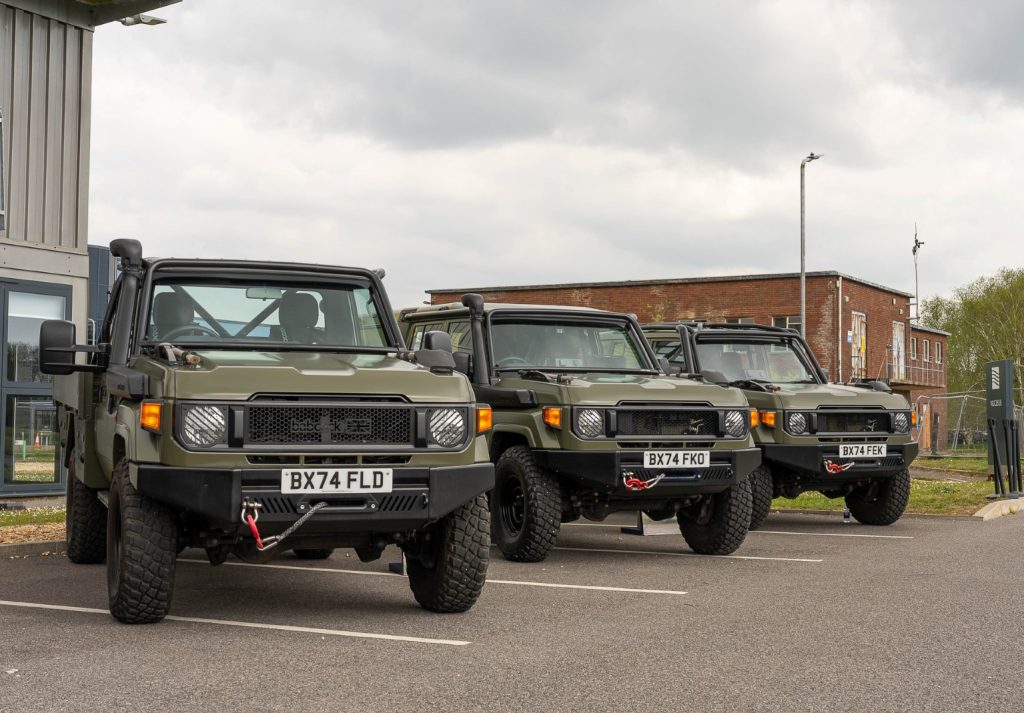
Babcock International Group (Babcock) has brought together a cohort of UK small and medium-sized manufacturers as part of its proposed solution to replace the British Army’s long-serving Land Rover fleet, underscoring the growing importance of SME collaboration in delivering future defence capability.
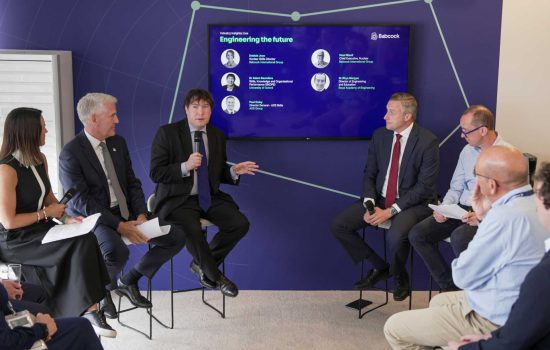
The engagement event, held at Defence BattleLab, convened around 30 suppliers to discuss requirements tied to the Ministry of Defence’s (Ministry of Defence) upcoming Light Mobility Vehicle programme. The initiative will see the retirement of the iconic Land Rover after more than 70 years of service.
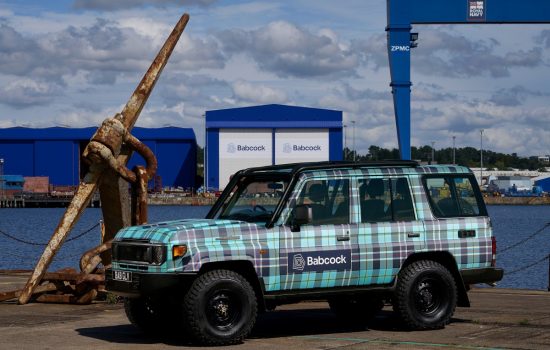
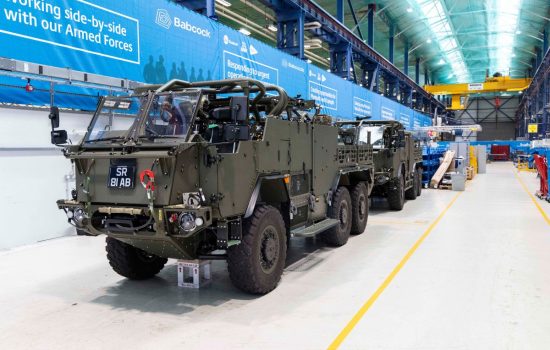
At the centre of Babcock’s proposal is the General Logistics Vehicle (GLV), developed in collaboration with Toyota and based on the Land Cruiser and Hilux platforms. While the base vehicles draw on established global designs, the programme’s industrial strategy is firmly rooted in the UK, with military-specific modifications set to take place in the West Midlands.
However, the real emphasis lies beyond the prime contractor. Babcock has positioned SMEs as critical enablers of the GLV programme, with smaller specialist firms expected to supply key components and technologies that underpin the vehicle’s operational capability. The engagement day provided a forum not only to outline technical requirements but also to align expectations around delivery, innovation and long-term partnership.
This approach reflects a broader shift within UK defence procurement toward more inclusive and collaborative supply chains. Babcock’s recently launched SME Engagement Charter aims to lower barriers to entry for smaller firms, translating policy ambitions around sovereign capability into tangible industrial participation.
By embedding SMEs at the heart of the programme, the company is seeking to balance operational performance with economic impact—supporting regional manufacturing clusters while strengthening domestic resilience. The model also highlights how primes are increasingly acting as integrators of distributed innovation, rather than sole providers of capability.
According to Chris Spicer, Managing Director for Babcock’s Engineering and Systems Integration business, the transition away from the Land Rover represents both a technological and industrial evolution.
“The Army’s Land Rover has earned its retirement – and with the General Logistics Vehicle, we’re building on its legacy with a product which will provide soldiers with a tough, reliable and practical platform to support a wide range of mission-critical tasks.
“We’re ensuring soldiers have a vehicle suited to modern operational requirements and by working with the UK’s brightest SMEs, we’re creating and sustaining high quality jobs within our supply chain and contributing to the UK’s defence dividend.”
– Chris Spicer, Managing Director for Babcock’s Engineering and Systems Integration business.
As the Light Mobility Vehicle programme progresses, the success of such collaborative frameworks may prove pivotal—not just in delivering next-generation platforms, but in shaping a more agile and inclusive UK defence manufacturing ecosystem.
For more articles like this, visit our Supply Chain channel