

BAE Systems has opened applications for its 2026 apprenticeship intake at the same time as it reports a record number of young people currently in training across its UK operations.
More than 6,800 apprentices and graduates are now developing their skills within the business — a milestone the company says reflects its long-term commitment to strengthening the UK’s industrial workforce.
The total includes around 5,100 apprentices and 1,700 graduates, spanning programmes from engineering and manufacturing to cyber and project management. Since 2020, BAE Systems has recruited more than 10,000 apprentices and graduates and invested over £1bn in education and skills initiatives. The company describes this as a key contribution to the country’s future economic resilience and defence capability.
Major recruitment drive planned for 2026
For the 2026 intake, BAE Systems expects to hire more than 1,100 apprentices, with the majority of roles based in the North of England and further opportunities available in the South of England, Scotland and Wales. The company also intends to take on almost 1,200 graduates and undergraduates, who will work on some of the UK’s most strategically significant defence programmes.
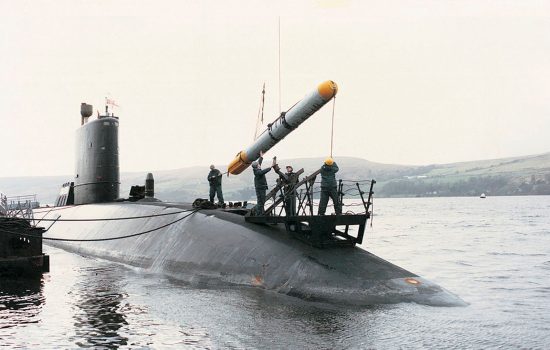
These recruits will contribute to projects such as the Global Combat Air Programme, the UK’s next-generation SSN-AUKUS submarines, Type 26 frigates, and emerging capabilities in cyber, space and unmanned systems.
Chief executive Charles Woodburn said the record cohort underlines both the calibre of young people entering the sector and the strategic importance of developing skills domestically. “With more than 60 programmes across the UK, we’re proud to offer opportunities for meaningful and rewarding careers, helping to protect those who protect us,” he said.
Government highlights defence sector’s role in national growth
Defence Minister Luke Pollard MP described the company’s achievements as evidence of the sector’s broader economic contribution. He said the next generation of apprentices and graduates would play a vital role in delivering the platforms and technologies that underpin national security.
“Building on our Strategic Defence Review, the government is committed to the largest sustained increase in defence spending since the end of the Cold War,” he added, highlighting ongoing support for businesses and skills development across the UK.
Expanding skills academies and partnerships
BAE Systems’ investment in training has supported the creation of three multi-million-pound skills academies in Barrow, Glasgow and Samlesbury, facilities that upskill thousands of employees each year in advanced STEM capabilities essential to the UK’s sovereign defence industry.
The company also maintains partnerships with colleges, universities and social-mobility organisations, including the Movement to Work charity.
Among those currently in training is Cheyenne, 29, a third-year steelwork apprentice within the company’s submarines business. She said the apprenticeship has offered both hands-on experience and long-term career prospects. “Seeing submarines at different stages of build really shows the importance of my role and the contribution we’re making to protect our nation,” she said.
Broad range of roles — and growing diversity
With more than 60 programmes available, opportunities span steelwork, engineering, cyber security, software development, finance and project management. The company emphasises that widening participation is central to its future skills strategy. Almost 30% of its new apprentice starters this year were female — significantly higher than the 17% seen across the wider UK engineering and technology sector.
Applications for BAE Systems’ 2026 apprenticeship intake are now open and will close once sufficient applications have been received, and no later than February 2026. Graduate recruitment continues throughout the year, with intakes scheduled for January, April, July, August and September.
For more articles like this, visit our Innovation channel