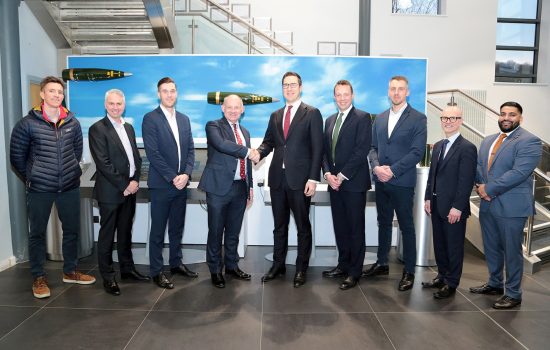


The UK government has awarded a £708m contract extension to BAE Systems to accelerate the development of next-generation combat air technologies, backing advanced manufacturing, artificial intelligence and digital engineering capabilities across the UK’s defence sector.
Announced by the Ministry of Defence (MoD), the investment will support the UK’s Future Combat Air System (FCAS) programme while providing critical technologies and infrastructure for the multinational Global Combat Air Programme (GCAP), which is developing a sixth-generation combat aircraft alongside international partners.
Led by BAE Systems, the programme will be delivered in partnership with Leonardo UK, MBDA UK and Rolls-Royce through Team Tempest. Around 600 companies and academic institutions form part of the wider supply chain, with approximately 90% of the jobs supported by the programme located outside London and the south-east.
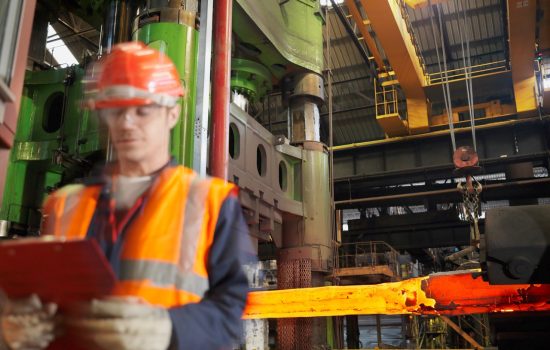
For manufacturers, the investment will accelerate the development and adoption of advanced production technologies, including digital engineering, artificial intelligence, augmented reality, additive manufacturing and robotics, alongside software development and digital networks.
BAE Systems said the latest funding will also support the expansion of model-based systems engineering, open architectures, digital twins and virtual engineering environments, enabling future combat air systems to be designed, tested and delivered more rapidly and efficiently than previous generations.
The contract also extends development beyond the Tempest aircraft itself, with work covering the wider Future Combat Air System, including the integration of uncrewed air systems, advanced networking technologies and next-generation weapons.
The latest investment builds on work already undertaken since 2018, when the FCAS programme began. According to the MoD, previous funding phases expanded the UK’s digital engineering capability, developed critical physical infrastructure and matured key technologies needed for future combat air systems.
The government has invested more than £5bn in the FCAS programme since 2018, while its recently published Defence Investment Plan committed £8.6bn to GCAP over the next four years.
Defence Secretary Wes Streeting said the latest funding represented a vote of confidence in British industry.
“This is a clear vote of confidence in British industry, and the thousands of highly skilled workers who are helping to keep our country safe.
“This investment in advanced combat air technology for the UK Armed Forces will strengthen our defence and deterrence and shows our clear commitment to backing British workers with our defence investment, creating jobs and supporting communities across the UK.”
Simon Barnes, group managing director at BAE Systems, added that the programme would help secure the UK’s long-term leadership in combat air technologies.
“The Future Combat Air System programme represents the UK’s ambition to shape the future of combat air and secure a leading role in the technologies, skills and capabilities that will define air power for decades to come.
“This additional investment will enable us, as Team Tempest partners, to continue pushing the boundaries of digital engineering, advanced systems and next-generation combat air technologies, helping sustain the UK’s position at the forefront of combat air innovation.”
Declan Holland, managing director for Future Combat Air Systems at BAE Systems’ Air sector, said the contract would accelerate innovation across the UK’s defence ecosystem.
“Our contract builds on the strong progress already achieved across the UK’s defence ecosystem, bringing together industry and academic partners to accelerate next-generation technologies.
“Through this work, we’re delivering tangible outcomes for the Global Combat Air Programme by strengthening UK capability, supporting high-value innovation and contributing to long-term economic growth.”
For more articles like this, visit our Leadership channel