
BEP Surface Technologies is leading a £600,000 project to transform a 70-year-old Churchill TWR roll grinder into a state-of-the-art flagship of UK precision engineering.
Working in partnership with Siemens and Made Smarter, the Manchester-based electroplating and surface finishing specialist is overhauling the 1950s-built machine — known internally as Machine 22 — to achieve tolerances as fine as 0.001mm, five times more precise than the firm’s current equipment. The two-year refurbishment, now 30% complete, will expand BEP’s capacity to serve high-growth industries such as electric vehicle batteries, composites and packaging, while reshoring critical capability to the UK.
Blending heritage with innovation
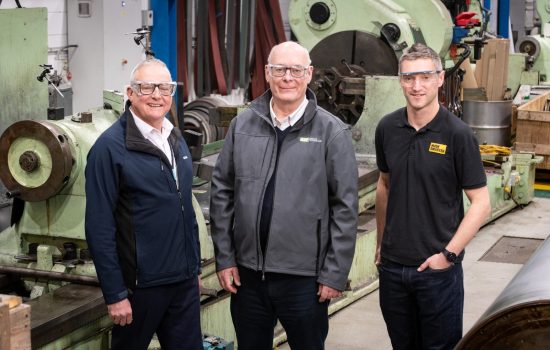
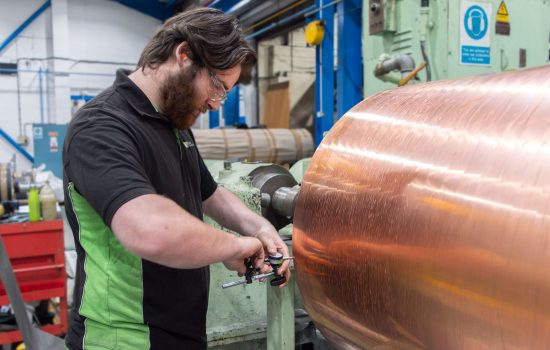
Originally acquired from a supplier in the paper industry, Machine 22 is undergoing a complete mechanical and electrical refit. The upgrade includes Siemens’ SINUMERIK One CNC control system, servo motors and SINAMICS S120 drive system, integrated by Machine Code Engineering, which is also providing operator training.
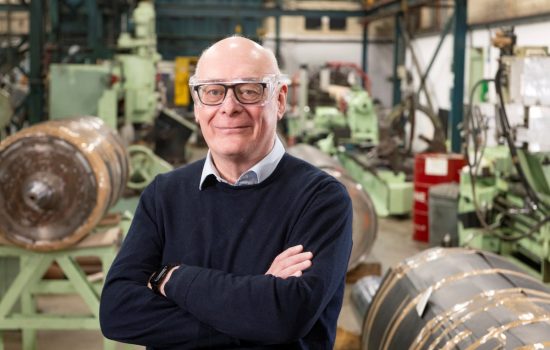
“These upgrades allow us to take on work we’ve had to turn away in the past,” said project manager Jamie Needham, who joined BEP as an apprentice at 18 and is now leading the flagship programme at 25. “It’s a fantastic opportunity to give a generational machine new life with modern technology, while keeping operator skill and judgement at the heart of the process.”
The project follows BEP’s £650,000 refurbishment of its electroplating department and forms part of a long-term strategy to boost capability and competitiveness.
Industry backing
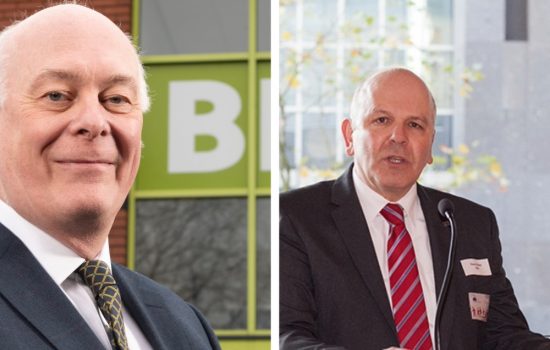
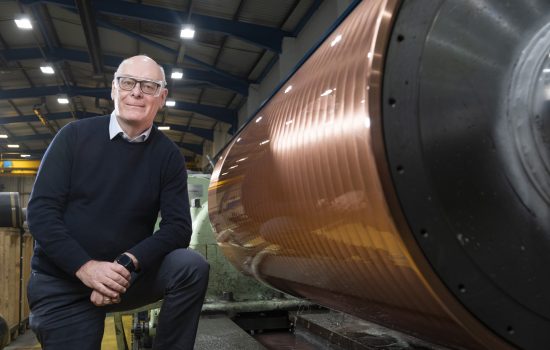
BEP managing director Andrew McClusky described Machine 22 as “a flagship project that shows how digital technology can push the boundaries of precision engineering. By achieving tighter tolerances and higher quality standards, we are enhancing our capabilities, securing new business, and helping customers compete globally.”
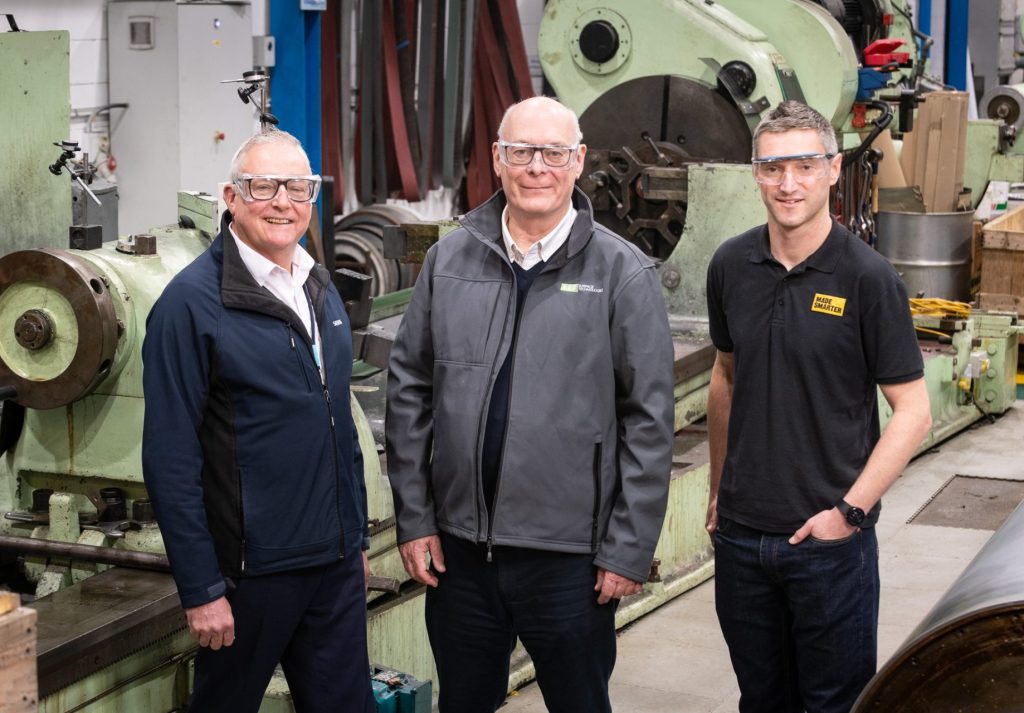
Made Smarter’s Will Kinghorn said the initiative demonstrated how retrofitting older equipment with sensors and controls could raise capability to “a world-class level,” boosting productivity, sustainability and competitiveness. Siemens’ Mark Coombes added that the project highlighted how “retrofitting a large machine tool not only delivers energy savings but also supports environmental goals by reducing waste and resource use.”
Closing a market gap
With its 1,800mm swing diameter, 8,000mm between-centres capacity and 20-tonne load capability, Machine 22 is among the UK’s most capable grinding platforms. Its upgraded specifications will enable BEP to deliver ultra-precise rollers for major manufacturers such as TetraPak and Syensqo, while reducing reliance on European suppliers.
At present, many UK firms in emerging sectors send rollers abroad due to insufficient domestic tolerances. By reshoring capability to Manchester, BEP aims to cut costs, shorten lead times, reduce carbon emissions and strengthen local supply chains.
“Machine 22 is about more than one piece of equipment,” McClusky added. “It is a statement of intent: combining heritage with innovation to deliver ultra-precision engineering for the next generation of UK manufacturing.”
For more articles like this, visit our Leadership channel