Demand for products manufactured in the UK is rising, but poor visibility is holding consumers back, a survey suggests.
UK consumers are actively seeking out British-made products but are being held back by poor visibility, according to YouGov survey data.
Commissioned by Made in Britain, the official trademark for British manufacturing, the survey of 2,095 UK consumers shows that while demand for UK-manufactured goods is strong, retail barriers are preventing shoppers from following through on their purchasing intentions.
46% of consumers surveyed said clearer labelling to help identify UK-made goods on shelves would make them more likely to buy domestically manufactured products, while 48% say greater availability of UK-made products on shelves would increase their likelihood to buy non-food products made in the UK – up from 45% in 2025.
Only 32% of shoppers believe that current labelling clearly indicates when a non-food product has been made in Britain, although this has improved significantly from just 11% last year. More than half (54%) still say it is not clear, and only 21% find it easy to identify non-food products that are made in the UK.
The findings point to a clear disconnect between demand and accessibility on the high street, suggesting that the true challenge for British manufacturing is not quenching consumer appetite but addressing how easily products can be recognised and purchased in retail environments.
Stephen Shortt, Founder of the UK-made grooming range Hawkins & Brimble, said: “UK manufacturing continues to carry a reputation for quality, heritage and trust. However, clearer retail labelling and greater visibility of British-made goods would help consumers make more informed purchasing decisions. In many retail environments, British-made products can still be difficult to identify quickly, despite growing demand.
“The Made in Britain trademark is an important tool in helping brands like ours stand out and reinforces confidence that products are genuinely manufactured in the UK. For export businesses especially, the mark helps communicate authenticity and provenance in increasingly competitive international markets.”
Stephen Shortt, Founder, Hawkins & Brimble
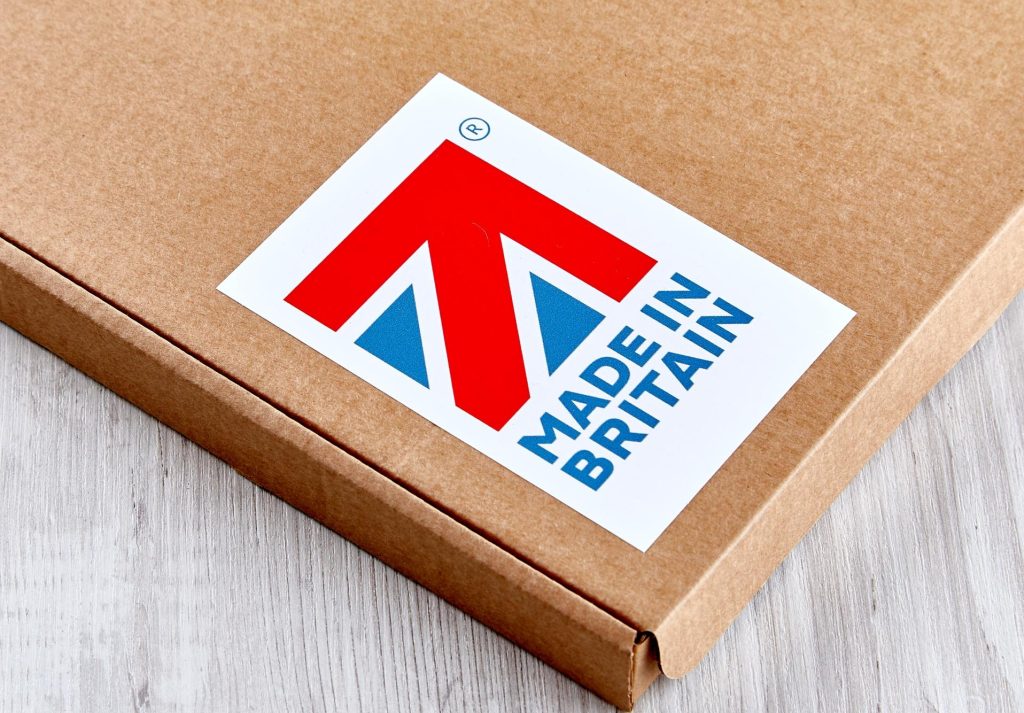
Encouragingly, the survey also shows that half of all UK adults (49%) now recognise the official Made in Britain trademark, which can only be used on products that are verified as being made in the UK in line with the organisation’s stringent social and environmental standards.
John Pearce, CEO of Made in Britain, said: “Consumers are telling us that they want to buy British, but they are struggling to find the UK-made goods they are keen to purchase as they’re not always easy to identify. The Made in Britain mark appears on thousands of products that are verified as being made in this country, by businesses we can all trust. I think UK-made products should be promoted more widely and more deeply, and retailers could do more to showcase them.
“Better visibility and clear in-store signposting would make a difference at the point of purchase, and we’re doing our bit to improve that in dialogue with our members and the sector. The Made in Britain trademark is an easily recognisable icon that helps shoppers to know, with just a glance, that a product was proudly made in Britain. We’re helping to increase visibility on the products themselves; we simply need more retailers to get on board by stocking more of these products and highlighting them as being Made in Britain.”
The research also highlights the strength of consumer trust in UK manufacturing. Britain ranks as the second country or region globally among those listed that they associate with the best-quality non-food products, from a specified list, with 19% of respondents selecting the UK as producing the best quality goods, ahead of the United States, China and the European Union. Only Japan ranked higher with 21%, by a margin of just two percentage points.
As global trade dynamics and supply chain considerations continue to evolve, the findings suggest that improving in-store visibility and product identification could play a critical role in supporting UK manufacturers.
Interestingly, the research also indicates support for policy intervention, with 34% of consumers saying tax incentives for UK-made products would make them more likely to buy non-food products made in the UK.
With more than 2,200 manufacturers already using the mark, Made in Britain is calling on retailers to improve the visibility, availability and promotion of British-made goods, ensuring that consumer demand can be more easily translated into purchasing behaviour.
For more information on the Made in Britain campaign, visit www.madeinbritain.org.
Enjoy this article? Resonate with the topic? Our new event , Manufacturing Supply Chain & Inventory Forum is for you. Click here to find out more.

For more articles like this, visit our Supply Chain channel.