The Manufacturer recently attended the Food & Drink Federation (FDF) annual economic briefing at its head offices in Holborn.
The room was full of journalists attending from ITV, Guardian, Telegraph, City AM and more showing that food inflation isn’t just an industry problem for manufacturers, but one that is impacting the whole country.
UK food and beverage
After six years of enduring Brexit, the COVID-19 pandemic and the initial shock of the war in Ukraine, the sector finds itself back in a difficult position. The “fat” in the system, explained Dr Liliana Danila, Chief Economist at the Food & Drink Federation, which is the efficiencies typically used to buffer against inflation have been exhausted.
Manufacturers are now caught between rising supplier costs (including support for British farmers) and the pressure from retailers and consumers to keep shelf prices stable.
The inflationary outlook
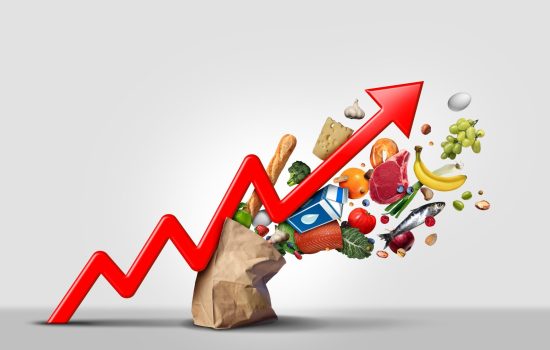
At the start of 2026, there were signs of hope. Food and non-alcoholic beverage inflation slowed to 3.3% in February, a significant drop from the highs of 19.1% seen in March 2023. However, current forecasts suggest a reversal.
- Forecast: Food inflation is projected to climb back to 9%–10% by December 2026.
- The catalyst: This reversal is driven by structural shocks to energy and global logistics that have had impact on typical market predictions.
Infrastructure damage and energy shocks
According to Dr Lilina, the primary driver of this inflation is extensive damage to energy infrastructure in the Middle East. While many are looking to futures markets for predictions, these markets are currently under-pricing the actual risk on the ground.
Physical supply realities
- Infrastructure impact: Dozens of refineries, oil fields and gas plants (including major facilities in Qatar and the UAE) have been damaged or shut down.
- Recovery timeline: While minor repairs take weeks, significant damage to liquid natural gas (LNG) plants could take three to five years to rectify.
- Cost of restoration: Estimates suggest a recovery cost between $34bn and $58bn, representing roughly 0.9% to 1.5% of global GDP.
The energy-food connection
Energy is embedded in every stage of food production.
- Farm level: Record highs for red diesel (powering machinery) and a ten per cent rise in agricultural commodities.
- Processing: Higher costs for gas and electricity used in manufacturing.
- Logistics: Maritime disruptions in the Red Sea have seen traffic remain at only 60% of pre-attack levels, leading to higher insurance premiums and shipping delays of four to six weeks.
- Packaging: Plastic packaging costs are rising because production is inherently tied to oil prices.
The manufacturer’s dilemma
It is estimated to take 7 to 12 months for these shocks to reach retail prices. This delay is due to the structure of the industry:
- Price takers: Manufacturers cannot negotiate the global price of wheat, energy or plastic.
- Fixed contracts: Most manufacturers buy long-term (6–12 months). While this provides temporary security, it means the current price spikes haven’t even hit the books yet.
- Thinning margins: Historical data shows that input costs have risen much faster than retail prices. Manufacturers have absorbed these costs until now, but with labour costs rising and new regulatory burdens, there is no more room to manoeuvre. Some manufacturers are reported to already be in conversations with retailers around the costs.
Market stability and insolvencies
The industry’s low margin, high volume model is failing as consumer habits shift.
- Volume drop: Retail volumes dropped roughly seven per cent between 2020 and late 2025 as the cost-of-living crisis bit into household budgets.
- Insolvency crisis: In 2022, food and drink manufacturing insolvencies doubled and have remained at record highs. In the last two years alone, the sector has lost approximately 300 businesses.
A call to government
Karen Betts, Chief Executive of the Food & Drink Federation was calling for government to act. Although she stressed that they are listening to what is happening, they are yet to see the urgency.
The food industry is currently facing many regulatory burdens such as EPR and the plastic packaging tax to health-driven mandates like the soft drinks levy and HFSS advertising restrictions. Combined with rising national insurance, the Border Target Operating Model and existing taxes, this is costing the sector approximately £2bn in 2025.
Karen has asked for government to consider stalling some of these burdens to help lift the current financial strain on food and drink manufacturers.
The government has extended its British Industrial Competitiveness Scheme (BICS) to cut energy bills for some food manufacturers but not all.
Without any relief, the current food and beverage sector will be in a very difficult situation.
Final outlook
The circumstances in 2026 differ from the 2022 Ukraine war shock. Two years ago, households had pandemic savings and government fiscal support. Today, those reserves are gone, and the government’s fiscal space is limited.
With energy and logistics shocks now global, the industry faces a long road to recovery. Any regulatory changes must be handled with extreme care to avoid overwhelming an industry that is currently fighting for its survival.
For more articles like this, visit our Leadership channel.