
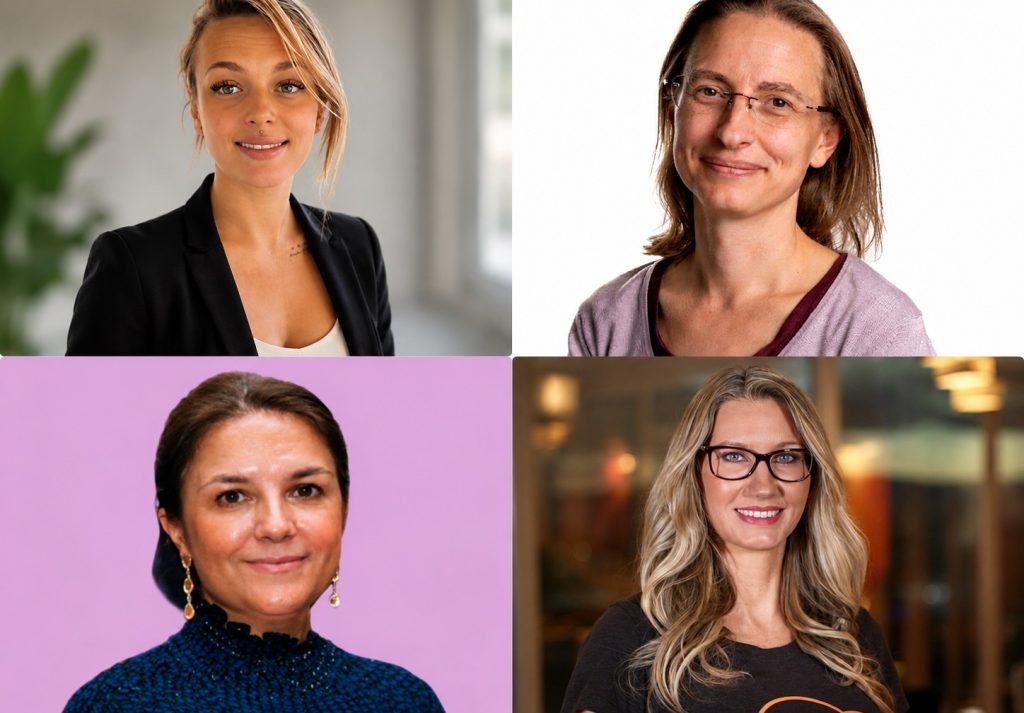
International Women in Engineering Day [23 June] shines an annual spotlight on women’s achievements, but the challenge of building a more diverse engineering workforce is a year-round priority. Here, four leaders from across manufacturing and technology share their perspectives with The Manufacturer on why representation matters, and how diverse teams are driving progress.
Engineering is central to nearly every aspect of modern life, from the products we manufacture and the networks that connect us to the technologies shaping our future. As demand for engineering expertise continues to grow, ensuring the industry attracts and retains the best and broadest possible range of talent has become increasingly important. Yet despite this, women remain significantly underrepresented across the field.
While much progress has been made, right now, women occupy just 17% of engineering roles, highlighting the work still needed to build a more representative profession. International Women in Engineering Day serves as an opportunity not only to celebrate the achievements of women across different engineering disciplines, but also to recognise the value that diverse perspectives bring to innovation, productivity and business success. As organisations face increasingly complex technological challenges, creating pathways for more women to enter, progress and lead within engineering roles has never been more important.
Representation: Making engineering visible

Leadership representation remains especially important when many women still feel they do not belong in an industry that continues to be dominated by men. For Jordan Day, Business Development Representative at ECI Software Solutions, visible female representation plays a crucial role in changing those perceptions.
Reflecting on her own experience, she says: “Manufacturing and technology have traditionally been seen as male-dominated industries, and while things have improved, there are still old-fashioned perceptions that can make women feel like they don’t belong. I experienced this first-hand. I was the only girl in my construction class at school and one of only two women studying joinery at college. Despite leaving with top grades, I was turned away from jobs simply because employers weren’t expecting a woman to walk through the door”.
Jordan believes creating greater visibility for women in engineering must begin early, through initiatives such as school visits, careers events, apprenticeships and mentoring programmes. As she explains: “Seeing women succeed in these roles helps make those careers feel achievable. The more visible women are, the easier it becomes for the next generation to see that there is a place for them too”.

The importance of representation is also reflected in the experiences of Q5D’s Chief Operating Officer, Rachel Eggington, who highlights both the cultural and commercial benefits of greater diversity within manufacturing. She says: “The amazing art of manufacturing comes from the people behind it. I’ve been fortunate to work with fantastic teams translating novel ideas into commercial product. 20 years ago, I was usually the only woman in the room”. Today, Rachel sees first-hand how a broader range of perspectives strengthens organisations and drives innovation: “I’m surrounded by far greater diversity – and I love that manufacturing is richer for it, drawing on talent from all walks of life.”
Engineering the connected future

Engineering is about far more than technical expertise; it creates and maintains the critical infrastructure that keeps modern society connected. Across the telecommunications sector, attracting and developing diverse talent is increasingly recognised as a key driver of innovation and long-term growth. This is a view strongly held by Ana Diaz, Managing Director, Vantage Towers Spain, who says: “As engineers, innovators and leaders, we bring diverse perspectives that help solve complex challenges and create technology that better reflects the needs of the communities it serves. Diverse teams consistently drive stronger
innovation, and that is especially important as we build the resilient, sustainable and inclusive digital infrastructure needed for the future”.
For Ana, diversity is not only important for representation but also for performance. She believes that bringing together different perspectives helps challenge assumptions, accelerate innovation and deliver better outcomes at scale. As she explains: “As demand for reliable, high-performing networks continues to grow, the industry needs a diverse workforce that can challenge assumptions, drive progress and develop solutions that benefit society as a whole.”
The shifting world of work

AI continues to transform the world of work, perhaps most of all in engineering. That is having a direct impact on how roles are evolving in a persistently male-dominated field.
As AI automates workflows, it presents an opportunity for more women to break into core leadership and strategic roles. This is the view of Faye Ellis, Principal Training Architect at Pluralsight, who says: “Many women in the tech industry find they have to exceed expectations to gain the same recognition as male colleagues. To make a real change, we must collectively come together to champion women’s work in the industry”.
Faye goes on to highlight how AI is impacting this push, causing traditional engineering roles to advance and evolve. “This is particularly important as the conversation around AI in engineering proliferates, as women bring diversity to a rapidly transforming engineering landscape. The integration of these tools demands diverse perspectives to avoid biased outcomes, and we must ensure that women successfully move into more strategic roles as work becomes automated”.
Progressing engineering through diversity
While industries have come a long way in making opportunities more accessible across the engineering ecosystem, the experiences shared by women across manufacturing, semiconductors, telecommunications and technology demonstrate that there is still work to do to encourage more women to pursue careers in engineering. Greater representation, from the most junior to the most senior levels is not just about fairness but rather about ensuring that the industry can access the broadest possible range of skills, perspectives and ideas to turbocharge innovation.
From inspiring the next generation through visible role models to creating environments where diverse voices can influence strategy and innovation, organisations have an opportunity to strengthen both their workforce and their competitiveness. As engineering continues to evolve alongside advances in AI, connectivity and digital infrastructure, teams which place diversity high on their overall mission will play an increasingly important role in solving complex challenges and driving meaningful progress. International Women in Engineering Day is not only a celebration of achievements to date, but a reminder that the future of engineering will be strongest when it reflects the diversity of the society it serves.
For more articles like this, visit our Skills channel