
The UK government recently described Advanced Manufacturing as the ‘backbone of the economy’ supporting around 760,000 jobs and contributing over £82bn in annual gross value (Advanced Manufacturing Sector Plan, June 2025). However, manufacturing provides more than jobs in the places that factories are located, it has the power to genuinely serve and strengthen communities. Neil Evans, Managing Director at VEKA, a leading supplier of PVCu window and door systems, employing over 450 people, explains more.
The rising cost of employment in the UK has caused many companies to scale back expansion plans, consolidate or move operations offshore. But when businesses chase short-term efficiency through relocation, they have neglected to recognise place as a strategic asset.
Key takeaways
- Place is a strategic asset, not just a location
- Community commitment builds competitive strength
- Long-term employment creates lasting value
- Technology should empower, not replace, people
- The future of UK manufacturing depends on people and place
FAQs
- What is the role of manufacturing in the UK economy?
- Why does ‘place’ matter in manufacturing?
- How does VEKA support its local community?
- How is VEKA preparing for the future of manufacturing?
- What can other UK manufacturers learn from VEKA’s approach?
Place is important in manufacturing, not just from an operational point of view when considering logistics, cost and supply chain efficiency, but also as a strategic factor in accessing skilled labour and building and strengthening a workforce for the future. The strength and success of UK manufacturing can be attributed to how it is inherently embedded in local communities in which it operates.
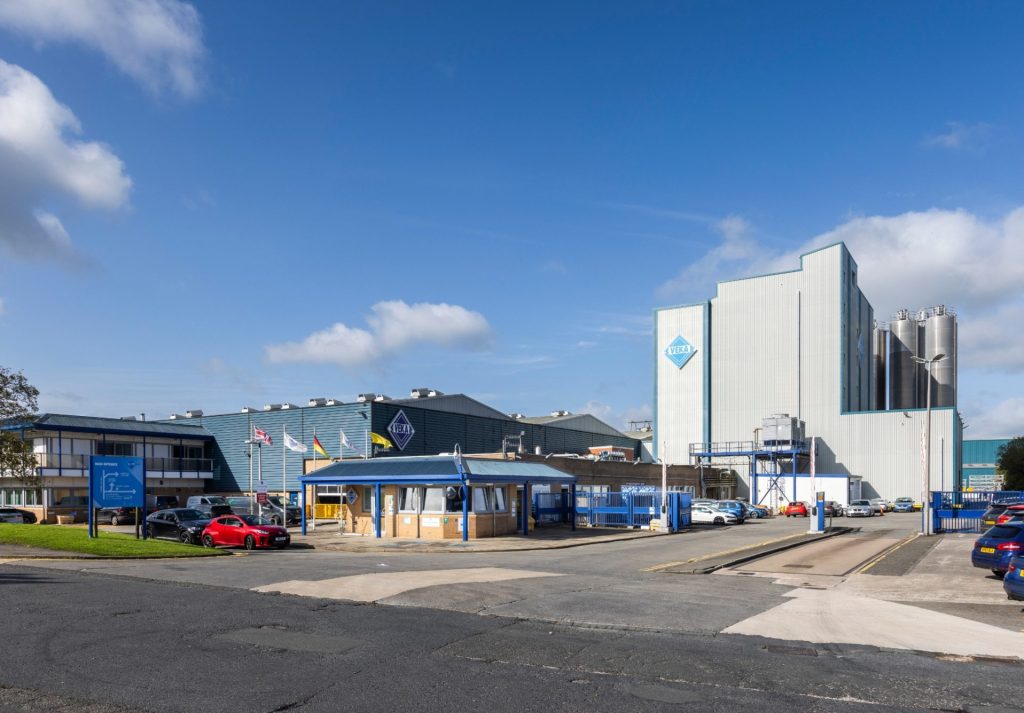
VEKA’s Burnley headquarters and recycling operations in Wellingborough, we employs over 450 people, including second and third generation employees from the same families. This workforce continuity develops when businesses put down genuine roots and demonstrate long-term commitment. VEKA value the people who learn, develop and grow their careers with the company because the business understands that their investment mirrors its own investment in them and the broader community.
Neil’s experience with large corporations that treated location as irrelevant has taught him the hidden costs of operational mobility. When companies disconnect from place, they forfeit the shared knowledge that emerges from sustained, local relationships and the loyalty that builds across decades of shared experience.
Manufacturing can provide stable employment, skills development that benefits the regional economy and economic resilience against changing conditions.
A recent announcement from Boohoo unveiled potential plans to relocate its Burnley distribution centre, putting more than 1,250 local jobs at risk which economically represents approximately three per cent of all jobs in Burnley. That means more than the bottom line; it means higher unemployment.
The competitive advantage of community
Burnley provides VEKA with more than a location. The company has built and contributed to a lasting community, from supporting local charities and events to its ongoing partnership with Burnley FC in the Community. These initiatives reflect Neil’s belief that a business rooted in a town should help that town thrive.
On a personal level as someone from the North East, the community welcomed Neil, demonstrating the power of businesses and communities growing together.
VEKA’s employees, some approaching 40 years with the company, are stakeholders in the company’s long-term success. Second and third generation employees from the same families create competitive advantages that depend entirely on place-based commitment. Skills transfer across generations provides capabilities that formal training programmes cannot replicate because it builds on established relationships, shared values and mutual investment in outcomes.
Quality standards remain consistently high because employees understand their work reflects on both company reputation with customers and within the community where they live and raise their families. This dual accountability creates performance standards through personal relationships and community pride rather than simply an employer-employee obligations alone.
Aligning with national priorities
The government’s Invest 2035 industrial strategy recognises that manufacturing strength comes from regional expertise rather than national policy. Advanced manufacturing and clean energy are central priorities, directly aligned with what we do at VEKA.
But policy support only works when it builds on existing strengths. Burnley has decades of manufacturing experience. Our workforce understands precision, quality control and continuous improvement. These capabilities can’t be imported or outsourced; they develop over time through consistent investment in people and place.
Preparing for the future of UK manufacturing also means ensuring our people have the right opportunities as technology changes the way we work.
There’s a perception that increased automation equals redundancy. But for VEKA, automation is about enabling our skilled employees to take on more rewarding, higher-value roles. By using technology in the right way, VEKA can secure long-term careers here in Burnley while keeping UK manufacturing competitive.
Acting responsibly
As a large employer, VEKA’s obligations go beyond its financial growth. The company provide stable employment, while developing skills that benefit the broader economy.
Employees who feel valued stay longer, work better and contribute more. Communities that trust local employers support business growth. Supply chains built on long-term relationships prove more resilient than those chasing lowest costs.
VEKA has learned that taking responsibility for place creates competitive advantages that can’t be replicated elsewhere. Its commitment to Burnley runs deeper than location, and is about who the company choose to be as a business. That commitment will be in the spotlight next year as VEKA celebrate 40 years in Burnley. The anniversary will not only be a milestone for the business, but a chance to give back even more to the community that has supported the business for four decades.
What the future holds
UK manufacturing businesses must recognise their responsibility to place and people, if the UK is to grow and thrive. This means investing in communities, developing local talent and building for the long-term. The companies that understand this will lead the next phase of UK industrial growth, while those that continue to chase efficiency gains will find their competitive position increasingly vulnerable. A competitive edge that is built upon place-based relationships cannot be replicated.
Manufacturing shouldn’t just be about making things better, faster or cheaper, it should strengthen the communities where we operate. UK manufacturing must invest in communities if it is to thrive. Place creates advantages that can’t be outsourced or replicated. VEKA demonstrates that UK manufacturing can compete globally while remaining rooted locally.
For more articles like this, visit our Leadership channel