

In this exclusive op-ed for The Manufacturer, one to ONE Holdings’ Shinichiro (SHIN) Nakamura looks at how President Trump’s volatile tariffs have left manufacturers grappling with supply chain disruption, rising costs, and short-term pressures, and that the only sustainable path forward is building long-term resilience through data-driven strategy, flexible supply networks, and stronger global partnerships.
The whirlwind nature of President Trump’s tariffs, which have been described as nothing short of a ‘rollercoaster ride,’ has been sending shockwaves around the world, and manufacturers have been hit particularly hard. In fact, one BCG Henderson Institute survey of over 1,000 manufacturing executives found that geopolitical risk now ranks as one of their top five challenges.
The steel and aluminum industries, in particular, have become extremely volatile. The hiked-up tariffs on steel have hit the industry massively, with leaders fearing a ‘wipeout’ and expecting shockwaves to be felt across supply chains in many other industries.
Worryingly, analysts also anticipate that inflation will continue to rise in the coming months, putting additional pressure on manufacturers to adjust their pricing strategies. Adding to this, there are also higher costs not only on components and materials but also on importing the machinery and tools needed for manufacturing, too.
In the June 2025 ISM Manufacturing report, manufacturers indicated that ‘tariff whiplash’ is wreaking havoc on customer relationships; either they’re withholding orders to see what happens with tariffs or are strong-arming manufacturers into accepting tariffs, leading to ‘no quote’ jobs because of untenable risk.
So, with tariffs constantly shifting, where does that leave manufacturers? The answer isn’t to start over. Instead, it’s about finding ways to stay flexible, building a strategy that can handle change without losing direction.
Manufacturers are thinking too short-term
It’s understandable why companies may feel forced to turn away from suppliers in countries hit by higher tariffs. On the surface, it looks like the clearest solution. However, this could mean that manufacturers turn (in a knee-jerk reaction) to new markets for sourcing supplies, with the possibility of higher costs on supply chains in the long run.
Finding new supply markets comes with a lot of time-consuming challenges, from inconsistent quality standards, currency fluctuations, and unfamiliar supplier relationships. Additionally, it’s often hard for manufacturers to find other suppliers at similar costs, affecting profit margins as well as operations and logistics.
Each avenue comes with its own set of challenges. Low-cost alternative suppliers avoid the higher tariffs, reducing costs in the short term, but businesses will need to navigate new regulatory environments. Alternatively, by keeping existing supplier relationships, this avoids the disruption of switching but means companies must eat the cost or pass it onto their customers, risking their market share. Or, by sourcing domestic suppliers, geopolitical risk can be avoided altogether, but finding domestic vendors that meet the technical and volume requirements is like finding a needle in a haystack.
What’s more, recent volatility in container shipping rates backs up the danger of short-term fixes. According to Drewry’s latest World Container Index, average global shipping rates fell 5.7% in early July after three weeks of decline, driven by weakening U.S.-bound demand. While some routes saw steep drop rates, others actually increased. With spot rates swinging dramatically from week to week, knee-jerk rerouting can actually expose manufacturers to unpredictable cost structures that shift faster than tariffs themselves.
Building a sustainable and adaptable long-term strategy
While businesses and consumers may hope tariffs are only a short-term problem, nobody can be certain. That’s why I believe manufacturers must look ahead to long-term opportunities and strategies.
Experts believe that resilience is attainable and maintainable thanks to data and technology. Manufacturers now have access to tools that can actually help them stay ahead of supply chain problems. AI, in particular, helps spot early signs of trouble, whether that’s shifting demand or economic changes that might throw off planning. And because the data keeps moving, teams can check in more often and make adjustments before issues snowball.
The key issue for manufacturers, however, is not to fall into the trap of making decisions based on short-term production issues. And the most resilient businesses will be those analyzing strategies and trends from micro to macro and vice versa. When manufacturers start by looking at the big picture, like global demand and trade flows, they can update their local decisions accordingly. Then they can use real-time feedback and customer data to adapt quickly.
Consider electrical machinery and components, for example. In 2024, these items accounted for nearly $485.9bn in U.S. imports and 14.5% of total imports. While this volume may suggest supplier flexibility, in reality, only a handful of regions can handle demand at that scale, such as China, Mexico, and Canada. That leaves manufacturers with limited options for diversification. This macro constraint becomes a strategic advantage when clearly understood. Companies can instead focus their efforts on improving domestic capacity, strengthening relationships with import partners, or using real-time data to fine-tune inventory and logistics.
Generative AI is particularly useful here as it can map out complicated macroeconomic trends, not perfectly, but sufficiently. This allows manufacturers to simulate different and new supply chain scenarios instead of only relying on historical analysis or manual forecasting. Moreover, digital marketing platforms, like HubSpot, also make it easy to communicate quickly and easily with global agents and customers to get fresh and direct information.
However, building a long-term strategy doesn’t only involve adding smart technology into the supply chain; businesses need to focus on nurturing relationships. By developing strong relationships with suppliers and industry partners, both at home and abroad, manufacturers can have alternatives and backup plans when disruptions hit. But partnerships are worth so much more. These relationships are goldmines for shared expertise and insights that can transform how manufacturers operate.
As the U.S. probably moves towards more localized and nearshored supply chains, overseas suppliers will ultimately be left with a void in demand for their goods. But rather than viewing this as a dead end, manufacturers can reframe it as an opportunity, moving from production providers to knowledge partners.
Asian manufacturers, often heralded as the ‘world’s factory floor,’ have a unique knowledge of process efficiency, quality control, and scalable operations. By transferring this knowledge, not only of technology but also of know-how, through shareable data systems, they can support U.S. companies planning on increasing domestic production while forging new types of commercial collaboration.
Nothing in life or manufacturing stays the same forever. So while knee-jerk reactions may offer short-term relief, they risk affecting the flexibility businesses need a decade from now. The smarter path is to adapt without overcorrecting, strengthening strategic partnerships, and investing in infrastructure that supports agility in the long run.
About the author
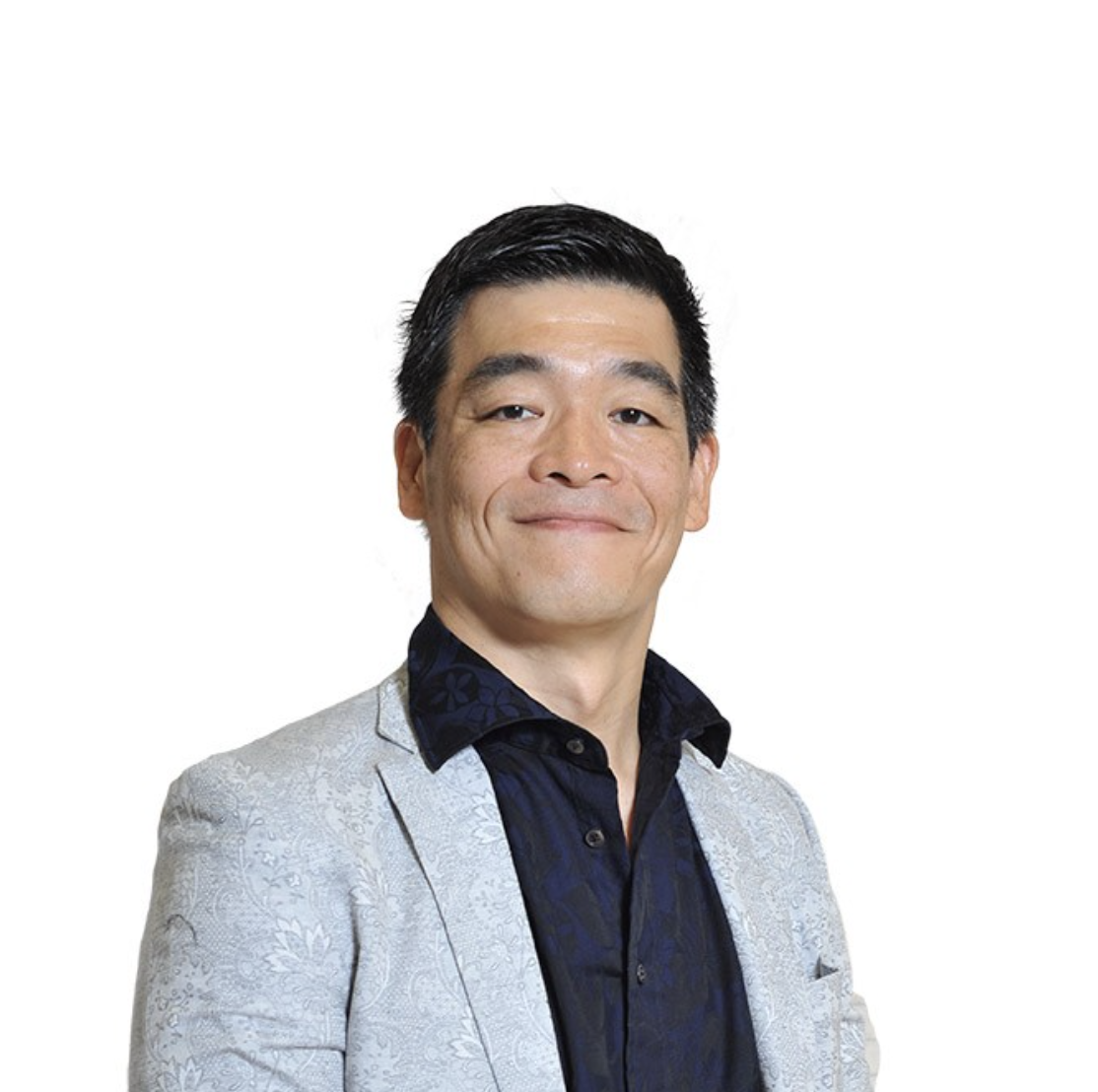 Shinichiro Nakamura is a manufacturing and global thought leader in the secondary steel processing industry. He is the President of one to ONE Holdings, which operates steel tube making factories in Japan and Vietnam and implements inline galvanizing technology for tubing companies around the world. His original family business, Daiwa Steel Tube Industries in Japan, is one of the largest producers of inline galvanized steel tubes in East Asia. Shin is a past Regional Chair of the YPO North Asia region and current member of the Board of Governors at the Asia School of Business. He previously consulted at Bain & Company and received his MBA from MIT Sloan, specializing in New Product & Venture Development.
For more articles like this, visit our Leadership channel