

In this exclusive op-ed for The Manufacturer, Eland Cables’ JS Pelland argues that copper prices have surged to historic highs due to supply disruptions, inventory imbalances and resilient infrastructure demand, and are likely to remain volatile, making early engagement, supply security and clear communication more critical than price alone for keeping essential projects on track.
Copper has entered 2026 at historic highs, touching more than 13,000 US dollars per tonne on the London Metal Exchange. Prices rose sharply through 2025 and have continued their upward trend this year, influenced by a combination of supply disruptions, very low inventories outside the United States, ongoing uncertainty around trade policies, and changing monetary policy in the face of ongoing national budget deficits.
The initial rise was a response to significant interruptions at major mines. A severe landslide in Indonesia and a tunnel collapse in Chile removed two to three percent of copper from the global system at a time when supply was already tight. Simultaneously, traders redirected large volumes of refined copper into the United States ahead of potential tariff measures being implemented. This left the US holding an outsized share of visible inventories while Europe and parts of Asia saw their available stocks of this strategic raw material fall sharply.
Meanwhile, many of the sectors that rely most heavily on copper continue to move ahead without slowing. Power grid upgrades, renewable energy installations, and the construction of data centres all remain on strict timelines. Copper accounts for only a small fraction of total capital expenditure in such programmes, and the consequences of missing commissioning milestones are often far more costly than any increase in material prices. For these reasons, many critical projects continue even in a high price environment.
This is mirrored by what we see across the supply chain. Despite the elevated price environment, order books for essential infrastructure projects remain firm. Developers and contractors are aware that the risk of supply disruption, rather than the spot price of copper, is the greater threat to their timelines. That understanding has led to a stronger emphasis on securing reliable delivery and clarity on lead times. In practical terms, this means organisations are engaging earlier, asking sharper questions about availability and seeking greater transparency throughout the procurement process.
Clear communication within organisations is just as important. When prices move rapidly, decision makers are better able to respond when they understand the reasons behind the increases. Context around mine closures, inventory imbalances and geopolitical influences can help avoid repeated redesigns or procurement pauses that ultimately add cost and time. A common understanding of why the market is behaving as it is can streamline internal approvals and keep programmes on track.
Looking ahead, prices are likely to remain high. The drivers at work are not short lived. Extraction is becoming more expensive as ore grades decline and as new capacity requires longer timelines and greater capital to reach production. Bringing large projects online has become more complex, not less, and recent disruptions have illustrated how sensitive the market is to setbacks. On the demand side, the energy transition and the growth of power‑intensive digital infrastructure continue to raise copper requirements. The combination of constrained supply growth and resilient demand points to a market that stays tight and therefore volatile.
The infrastructure that supports modern industry and society cannot wait for perfect market conditions. The task now is to recognise the pressures at play, plan for ongoing volatility and keep essential projects moving with confidence.
About the author
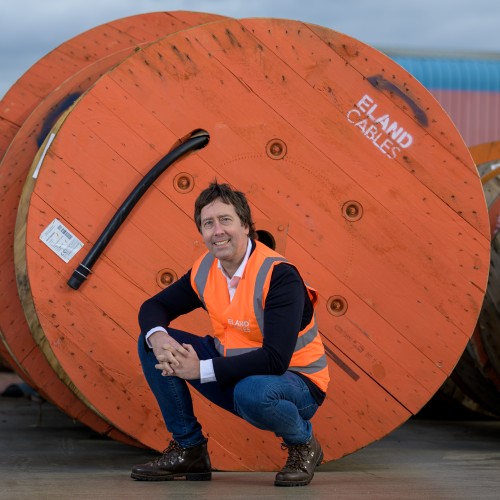 JS Pelland is executive director of Eland Cables, one of Europe’s fastest growing electrical cable suppliers to critical infrastructure. The company is a key player in the supply of electrical cables for decarbonisation projects across electrification, digitalisation, and renewable energy. Both Pelland and the company have been recognised in Forbes, The Times, and the London Evening Standard for their commitment to sustainability and wider ESG initiatives. Their work has been commended for delivering measurable operational improvements, supporting revenue growth, and enhancing staff retention.
For more articles like this, visit our Leadership channel