


In this exclusive op-ed for The Manufacturer, metals4U’s Paul McFadyen warns that unless the UK secures an urgent steel trade agreement with the EU before new tariffs take effect on 1 July, British manufacturing supply chains could face severe disruption, rising costs, and a damaging loss of competitiveness.
Unless the UK government secures a meaningful arrangement with Brussels this summer, we could be about to see a huge turning point in British manufacturing.
On 1 July, new EU tariffs come into force, which could leave cross-Channel steel supply chains dangerously exposed, unless action is taken now.
The steel supply chain is the backbone of British manufacturing, and when it is unstable, as it will be unless a deal is secured, it has a detrimental effect on the industry. As it stands, there is an imminent risk of it fracturing.
The UK and EU steel markets aren’t just trading partners, they are deeply integrated systems. The EU is the UK’s largest trading partner, receiving approximately 70-78% of all UK finished steel exports, and providing 64% of UK imports. We are heavily reliant on the EU for market access, so it’s vital that we create a deal that continues to support this1. The recent economic uncertainty caused by the conflict in the Middle East means we need to tighten our ties with the EU even further, as a matter of urgency.
What makes the current situation particularly frustrating is that the EU is reportedly prioritising trade talks with the United States ahead of the UK. This would leave British supply chains with no vital protective framework, at the exact moment it is needed most.
The US is a large market that does, of course, carry strategic weight. But the geographic proximity between the UK and EU, and deeply integrated supply chains, make the steel trade between our markets uniquely efficient. So to treat the UK as a second-tier priority is a huge error that could have detrimental consequences.
When the supply chain industry cannot rely on stable pricing or predictable lead times, procurement decisions get delayed. Contracts go unsigned, and confidence will quickly drain across the industry. Inventory strategies become defensive rather than efficient, commercial activity slowly but surely starts to seize up, and British manufacturing loses its competitiveness.
The government has, however, taken some positive steps to protect the UK steel industry recently. The announcement that tariff-free steel import quotas will be cut by 6%, with a 50% tariff imposed on above-quota imports from 1st July, was a positive move that will help to protect British manufacturers against the influx of cheap imports that the sector has seen in recent years.
The decision to reduce energy costs for businesses in the steelmaking industry was another recent positive development. Energy is one of the biggest cost burdens that UK steel producers face right now, with electricity prices costing up to 25% more for UK steel producers than German and French competitors2. Therefore, these kinds of interventions are welcomed.
But, a resilient supply chain cannot be sustained by domestic policies alone. The steel that is used in British manufacturing comes from a vast range of producers, processors, distributors, and logistics providers across multiple countries. Supporting UK producers at one end of the chain, without a solid trade framework, makes very little sense.
Right now, supply chains need clarity. They need clarity on sourcing, pricing and on the regulatory environment in which procurement decisions will be made over the next one, three and five years. A formal UK-EU steel arrangement would provide that clarity. With that clarity, procurement teams will have the confidence to commit to contracts, give distributors certainty to hold stock, and give manufacturers the stability to invest.
Modern supply chains are rarely contained, so a squeeze on steel availability or a sudden change in pricing doesn’t just impact the steel buyer, it affects every business that depends on components that contain steel, as well as finished goods. The ripple effects would be astronomical.
The clock is ticking, the 1st July is merely weeks away. If the UK government is serious about its industrial strategy and its commitment to manufacturing, it must make securing a steel arrangement with the EU an urgent diplomatic priority.
British manufacturers and commercial fabricators have done their part by adapting, investing, and continuing to compete. Now, the government must do its part by securing a deal that supports the greater good of the industry.
About the author
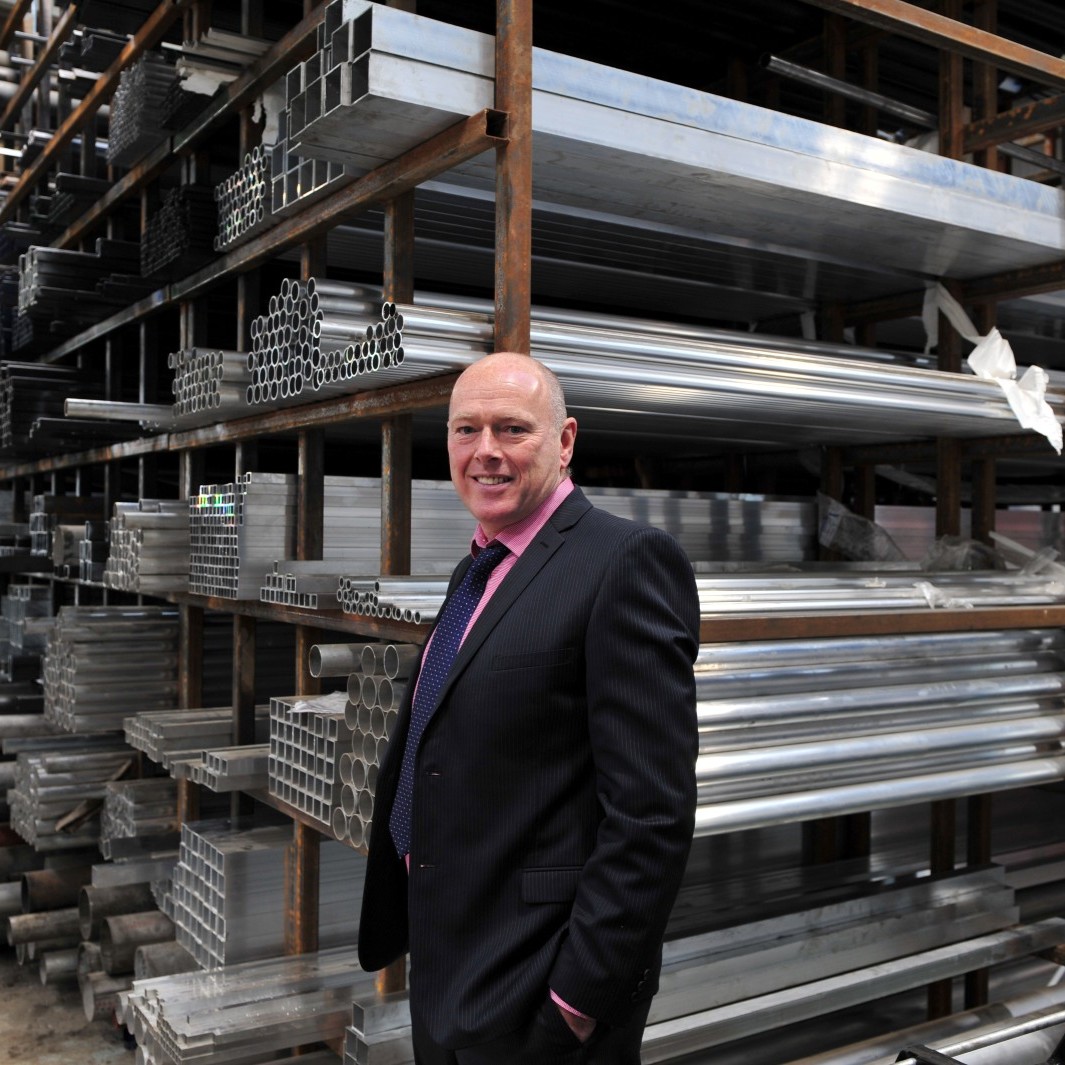 Paul McFadyen is the Chairman of metals4U, the UK’s largest online supplier of metals, specializing in steel, aluminium, stainless steel, and brass for both trade and DIY projects.
Paul started his career in sales with a small, independent stainless-steel stockholder in Bath over 35 years ago. He then worked for Delta Metals plc for several years. That was when he spotted an opportunity to develop and build metals4U as a powerhouse for the online supply of metals, so he took the chance and has never looked back.
For more articles like this, visit our Supply Chain channel