Penny Engineering, a long-established leader in lifting and handling solutions, has officially transitioned to an Employee Ownership Trust (EOT), a move designed to protect the company’s independence and safeguard its long-term future. The change follows an internal announcement to staff on 20 November 2025.
The decision reflects Penny Engineering’s multi-generational philosophy that the business should serve the people who work within it, rather than external shareholders.
A legacy of people-first leadership
Tim Penny, recently appointed Managing Director, explained the reasoning behind the move: “Our commitment has always been to the long-term stability of this business and the people who work within it. By transitioning to employee ownership, we are decisively guaranteeing that Penny Engineering’s success, survival, and future for the next 100 years will be determined by our team, free from the volatility of external shareholder demands.”
Robin Penny, Chairman of the Board, echoed this sentiment, reflecting on the family legacy: “We were brought up to believe that we were custodians of the business, not owners. Our father felt that only people working in the business should benefit from it. This transition brings that principle to life, ensuring that the team driving our success are the ultimate beneficiaries.”
Strengthening employee influence
Penny Engineering already enjoys high staff retention, with a senior team largely developed from within the business. Employee ownership is seen as the next step in investing in people, enhancing job security, and fostering innovation from within.
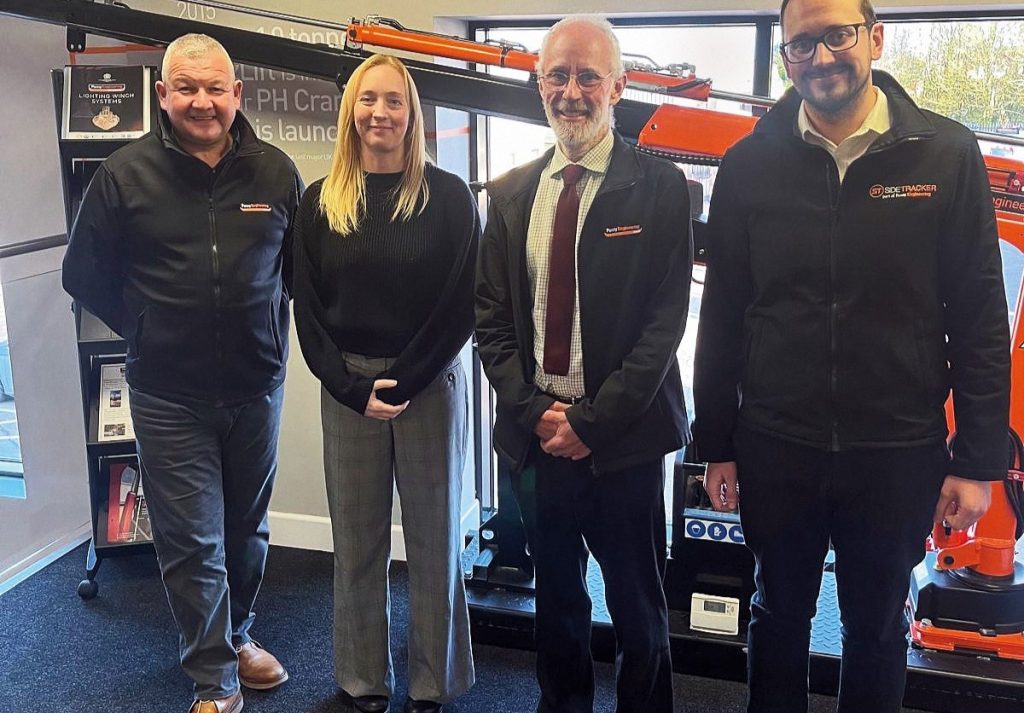
A Trustee Board has been established to oversee the transition, chaired by Robin Penny and including two employee representatives—Jocelyn Cole, General Manager of Goods Lifts, and Sam Dobson, General Manager of Sidetracker—alongside independent trustee David Ball and Finance Director Ashley Holmes. The board will provide guidance and oversight to the operating company’s Board of Directors, while an employee council will give staff a direct say in decisions on welfare and charity budgets.
Unlike some EOT transitions motivated by personal tax benefits, Penny Engineering’s approach was focused on sustainability. The transfer was executed at a substantial discount to the company’s valuation to avoid placing financial pressure on the business.
Support and recognition
The directors thanked professional advisors Shorts Chartered Accountants and Knights Plc for their guidance. David Robinson, Tax Partner at Shorts, said: “Employees have always been at the heart of Penny Engineering. We are delighted to have played a role in helping the business transition to employee ownership and look forward to supporting the company in this exciting new chapter.”
With this transition, Penny Engineering secures its long-standing values, stable financial footing, and an engaged workforce, ensuring it remains a reliable and innovative partner for decades to come.
For more articles like this, visit our Leadership channel