
Manufacturing accounts for almost 35% of all exported UK goods and services, yet it is the third highest sector in the country for skills shortages. The UK’s ambition to lead on the global manufacturing stage depends on technology innovation, capital investment but, crucially, also the ability to recruit and retain skilled people, says Shane Geary, EVP Manufacturing Operations, Pragmatic Semiconductor.
With talent shortages persisting, UK manufacturers are struggling to recruit skilled engineers, technicians and digital specialists at the pace required to support growth. To seize opportunity in advanced manufacturing in particular, the UK must cultivate a talent ecosystem, beginning at a young age. Inspiring curiosity early, creating clearer entry routes, and ensuring effective collaboration between industry and academia are all fundamental to building the manufacturing workforce of the future.
Converting curiosity into careers
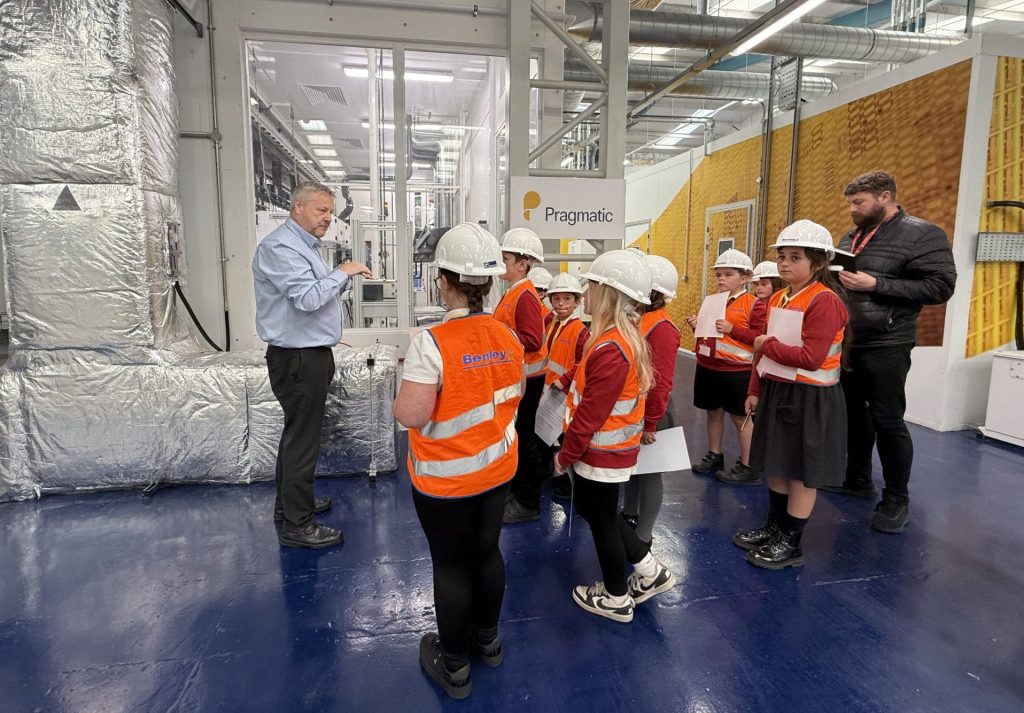
Hands-on, practical experiences are one of the best ways to ignite interest in engineering and manufacturing, bridging the gap between classroom learning and real-world possibilities. When young people have the chance to experiment, build, and explore technology in a tangible way, understanding its impact and potential, abstract concepts suddenly become exciting and accessible.
Inspiring curiosity early, creating clearer entry routes, and ensuring effective collaboration between industry and academia are all fundamental to building the manufacturing workforce of the future.
Shane Geary, EVP Manufacturing Operations, Pragmatic Semiconductor
Events that bring industry, schools, and communities play a pivotal role. They expose students to the breadth of modern manufacturing and the range of careers available and help them understand how subjects like maths, design, or physics translate into meaningful work. Importantly, they show children how they can use the subjects they love to build things that matter.
This early spark is essential. Research consistently shows that young people form lasting impressions about potential career paths during their early teens. If manufacturing wants to capture the imaginations of the next generation, early engagement simply can’t be optional.
Modern manufacturing has a perception problem
The image of manufacturing as a repetitive, noisy or physically demanding job is decades out of date. Today’s factory floor is increasingly clean, automated, and software driven. This is especially true of modern electronics production with its clean rooms and quiet, automated production. These advances in manufacturing are redefining the skillsets employers today, and in the future, will need.
Advanced materials and sustainable fabrication processes are reshaping what it means to ‘make’ something. Instead of choosing between technical or creative work, the modern engineer often does both. The combination of technical literacy and hands-on ability is rapidly becoming the norm, with new roles in manufacturing opening up in automation, data analysis, electronics and embedded systems, and sustainable production and supply chain.
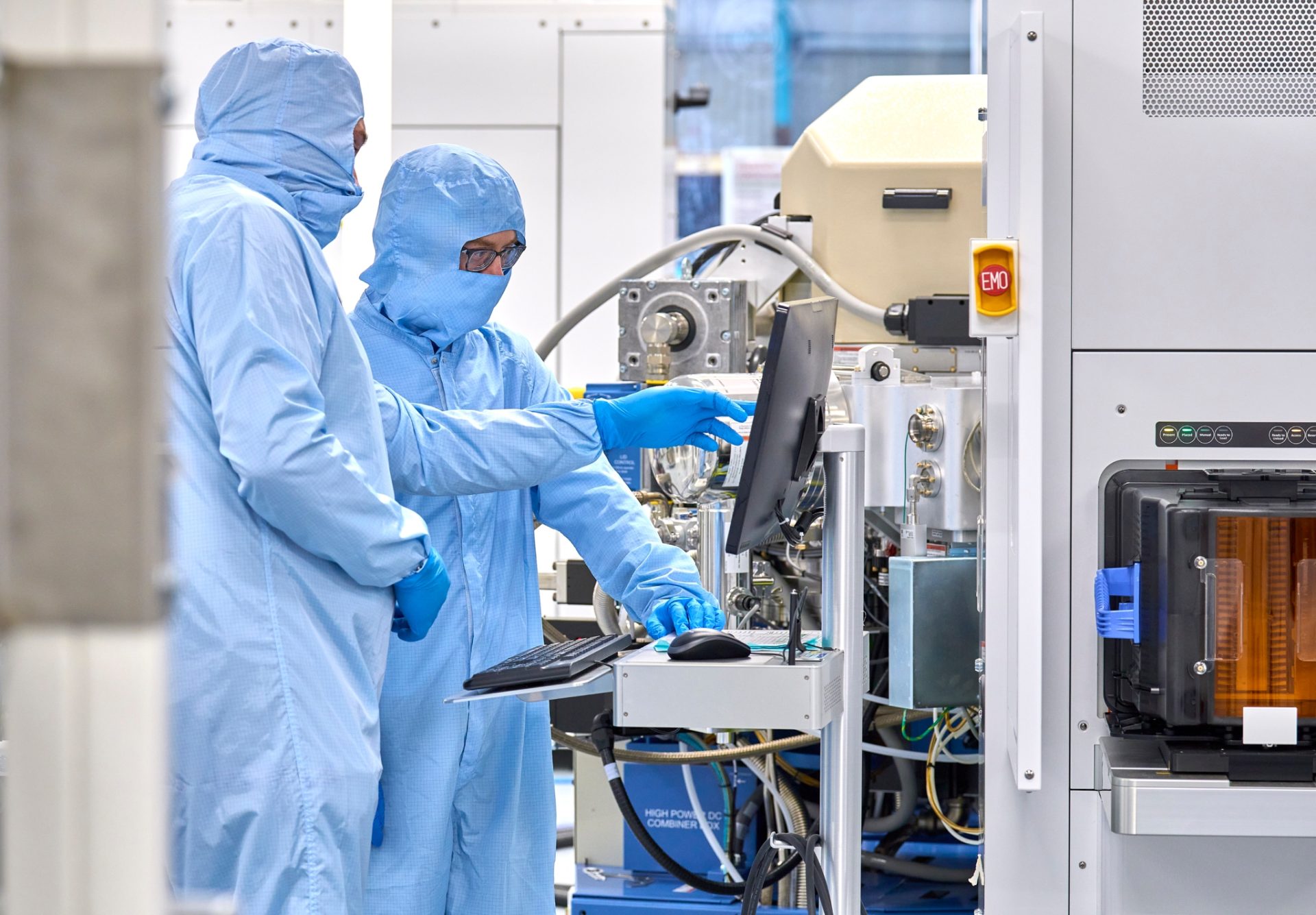
These skills don’t emerge organically, but must be cultivated through targeted training and apprenticeships, experience with modern equipment, and updated STEM curricula. The UK has a distinct opportunity here with existing clusters of highly skilled talent across the nation that will thrive with strategic investment, unlocking economic security and growth in the future.
Alternative pathways must be established
Regional investment will support the development of new skills hubs to continue expansion in deep tech, from the North East’s emerging clean-tech cluster to the advanced electronics and materials hubs in the Midlands and South Wales. As a result, engineering, electronics and data literacy will become core skills for advanced manufacturing careers.
Manufacturers can no longer rely on the education system alone to supply job-ready workers. While traditional pathways such as apprenticeships, bootcamps, micro-credentials, and employer-led academies will remain relevant, the workforce of the future won’t always come through traditional degree routes.
More blended models where individuals learn continuously across their careers will start to emerge, with employees looking for the option to re-train, move sideways into new roles, or undertake new skills development courses. Employers who build flexible pathways that are open to school leavers, those returning to a career or changing mid-career, will gain a competitive edge by attracting the right mix of talent.
Strong talent ecosystems form when industry plays an active, visible role. Diverse teams and visible role models show young people that there are opportunities in manufacturing sector – important if it isn’t a career they may previously have considered. With a wide range of technical and non-technical roles, modern manufacturing requires a wide range of talents and backgrounds to ensure competitiveness.
If industry, education, and government work together to prioritise early engagement, expand training pathways, and build strong regional talent ecosystems, the UK can secure a world-class skills pipeline capable of powering the factories, technologies, and innovations of the future.
For more articles like this, visit our People & Skills channel