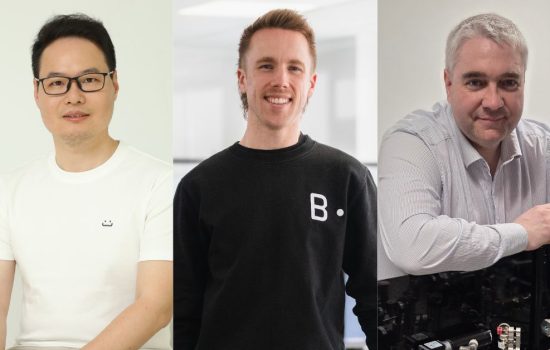

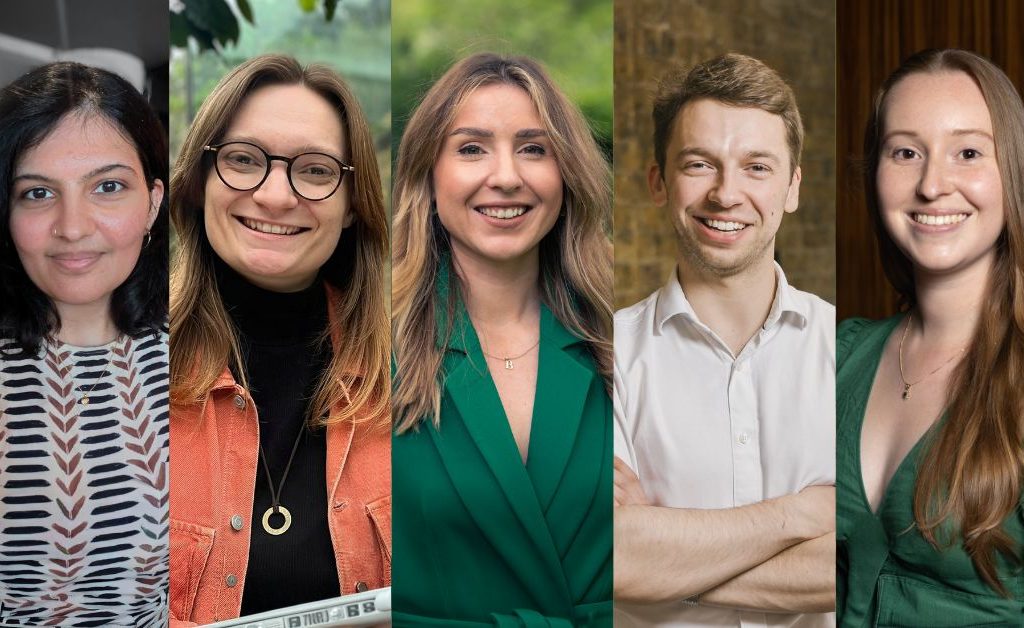
The Royal Academy of Engineering has announced its 2026 Young Engineers of the Year, recognising five engineers whose work is driving innovation across industries ranging from sustainable construction and manufacturing to transport, humanitarian technology and defence.
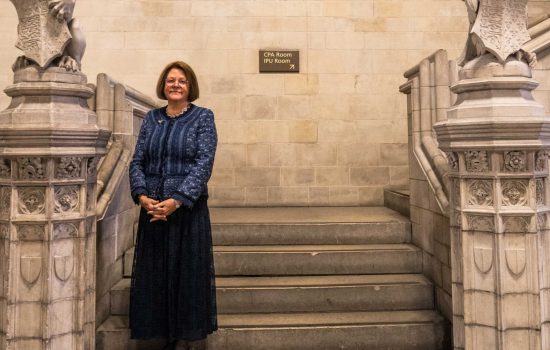
The winners will each receive a £3,000 prize and be honoured at the Academy Awards Dinner in London on 8 July. The overall winner, Brogan MacDonald, Head of Sustainability in Building Structures at Ramboll UK, will also receive the Sir George Macfarlane Medal.
MacDonald was recognised for her work promoting the reuse of construction materials and reducing embodied carbon in the built environment. Her projects include the retrofit and retention of the Westbury Hotel, where the reuse of an existing reinforced-concrete frame prevented 5,000 tonnes of demolition waste and saved 3,500 tonnes of embodied carbon. She has also led the development of Ramboll UK’s structural embodied-carbon calculator, which has been used on more than 100 projects.
Among the other winners is Laura Tuck, Research and Development Team Lead at The Washing Machine Project, whose work focuses on developing manual washing machines for women and girls in underserved communities. The hand-cranked devices have already reached more than 56,000 people, including deployments in Uganda and hospitals in Gaza, helping to reduce the physical burden of handwashing while conserving water and eliminating the need for electricity.
Manufacturing was also represented through Dr Douglas Brion, co-founder and CEO of industrial AI company Matta. His firm’s technology enables factories to autonomously detect defects, identify root causes and optimise production in real time. The platform combines sensor networks with AI-driven analytics to provide manufacturers with actionable insights through a conversational interface, supporting faster product launches and more reliable production scaling. According to the Academy, Matta is now deploying into two new factories each month following $14m in seed funding.
Dr Aakeen Parikh, Research Manager for the Vehicle Futures Hub at Imperial College London, was recognised for her work accelerating the deployment of future vehicle technologies and translating research into practical industry solutions. Alongside her transport research, she leads projects focused on women’s health and sustainability, including a programme in Rwanda that produces reusable sanitary pads from waste banana trees.
Completing the list is Alexia Williams MBE, Technical Lead at Rolls-Royce, who has delivered engineering innovations across the company’s defence portfolio. Her work includes developing predictive maintenance approaches, introducing new testing technologies and organising outreach initiatives aimed at inspiring the next generation of engineers.
Luke Logan FREng, Chair of the Academy’s Awards Committee, said the winners were helping to redefine engineering’s role in society.
“By using data to shape how we build our infrastructure and make vehicles more sustainable, advocating for engineering to reach those who are underrepresented and underserved, and finding innovative ways to apply AI in the manufacturing industry, these engineers are challenging and creating new perceptions of what engineering can be and who it can help,” he said.
The awards were announced ahead of International Women in Engineering Day, which celebrates the achievements of women in engineering and aims to encourage more young people to pursue careers in the profession. Notably, four of the five winners are women, highlighting the growing influence of female engineers in shaping the future of industry and technology.
For more articles like this, visit our Skills channel