

One of the biggest challenges facing the automotive sector today isn’t technology. It’s people.
Finding skilled technicians has never been easy, but across the industry it’s becoming increasingly difficult. Experienced technicians are retiring, fewer young people are entering the sector and workshops are finding themselves competing for a shrinking pool of talent.
At the same time, the work itself is becoming more technical.
Modern vehicles require a level of knowledge and expertise that would have been difficult to imagine a generation ago. From advanced vehicle electronics and diagnostics through to wheel alignment and calibration systems, today’s technicians need a broad and constantly evolving skillset.
The reality is that many workshop owners are already feeling the pressure. The work is there, but finding the right people to do it is becoming harder.
Apprenticeships remain an important route into the industry, but they’re only part of the answer. The bigger challenge is ensuring that young people see automotive as an exciting and rewarding career in the first place. Too often, perceptions of the industry haven’t kept pace with reality.
Modern workshops are highly technical environments where technicians are working with sophisticated equipment and continually developing new skills. Yet many young people, parents and careers advisers still have an outdated view of the sector.
As an industry, we need to do more to change that.
That starts with stronger links between businesses, schools, colleges and training providers. If young people aren’t exposed to the opportunities available, many will simply never consider automotive as a career option. And businesses also need to play a more active role in developing future talent.
At Straightset, we’ve invested in training partnerships through Mantra Learning because we believe supporting the next generation is a responsibility shared by the whole industry. By helping students gain hands-on experience with the equipment and technologies they’ll encounter in real workshops, we’re helping to build confidence, practical skills and workplace readiness.
It’s not about filling vacancies tomorrow. It’s about ensuring the industry has the people it needs five, ten and twenty years from now. The conversation around skills also connects closely with another issue that continues to shape the future of the automotive sector – manufacturing.
Much of the debate around UK manufacturing focuses on cost, but there are wider benefits that are equally important.
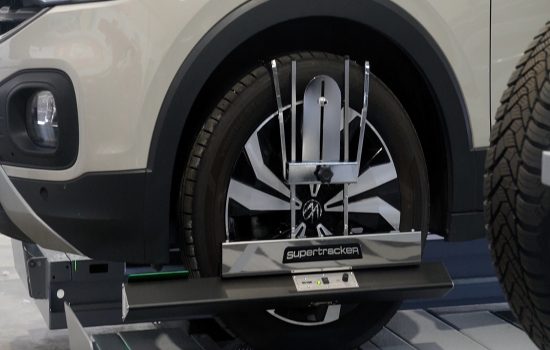
At Supertracker, our wheel alignment systems are manufactured in the UK. That’s not simply a matter of heritage or national pride. It allows us to stay close to our customers, respond quickly to industry feedback and maintain control over quality and innovation. Being close to the market matters.
When workshop requirements change, we can react quickly. When customers need support, they can access expertise from people who understand both the product and the environment it operates in. That connection between manufacturing, engineering and customer experience is incredibly valuable.
However, there is also a wider skills benefit that often gets overlooked.
When products are designed and manufactured in the UK, technical knowledge stays within the industry. Engineering expertise is developed, careers are created and future generations can see a pathway into highly skilled roles.
When manufacturing capability is lost, those opportunities often disappear with it. Skills and manufacturing are not separate conversations, they’re closely linked.
The automotive sector has always evolved and adapted, new technologies will continue to emerge and the demands placed on workshops will continue to change. What cannot change is the need to invest in people. If we want a strong and competitive automotive industry in the years ahead, we need to develop the next generation of talent while continuing to support the manufacturing capability that helps those skills flourish.
Because without skilled people, growth becomes difficult.
And without opportunities to develop and apply those skills, the industry risks losing the expertise that has made it successful for generations.
Author: Andrew Bates, Managing Director, Straightset, with insight from Julia Blake, Marketing Director, Supertracker.
For more articles like this, visit our People & Skills channel.