

After 15 years helping to reshape Finsbury Food Group, Chief Operating Officer (COO) Lucy Wills is driving a transformation that connects digital systems, people development and operational excellence across ten UK sites.
From integrating acquisitions and embedding data-led decision-making, to investing in apprenticeships, automation and sustainability, the approach shows how a specialist bakery can scale without losing craft or culture.
The Manufacturer’s James Devonshire spoke with Lucy to find out more. When Lucy reflects on her 15 years at Finsbury, she sees a business that has changed almost beyond recognition. What began as a collection of specialist bakeries has evolved into a unified, data-driven manufacturer employing 3,500 people across ten UK sites.
Key takeaways
-
Digital integration has been central to scaling the business.
Over the past decade, Finsbury Food Group implemented a core ERP platform and supporting systems to create a single, reliable data source across the organisation. This digital alignment has enabled faster integration of acquisitions, improved decision-making and helped unify previously separate businesses. -
The F1 excellence programme drives operational improvement.
Finsbury’s internal F1 framework links performance data to continuous improvement across four pillars: performance, people, automation and sustainability. It provides governance, daily operational routines and shared standards across ten sites, helping teams identify issues and scale best practices. -
Cultural adoption of data is as important as the technology itself.
While digital systems provide valuable insights, the real challenge has been encouraging employees to use data in everyday decision-making. Training and capability building—supported by the Finsbury Academy—help employees interpret data and lead improvement initiatives. -
Investing in people and skills supports long-term growth.
Through apprenticeships, graduate programmes and leadership pathways, the company is actively developing talent across its 3,500-person workforce. Engineering apprenticeships, operational training and potential degree apprenticeships help preserve specialist bakery skills while preparing future leaders. -
Automation and sustainability are integrated with operational strategy.
Automation projects are designed alongside workforce development to ensure employees have the skills to leverage new technologies. At the same time, sustainability initiatives—such as solar deployment and carbon-reduction infrastructure—are integrated into the same performance framework as productivity and quality.
FAQs
- What role has digital transformation played at Finsbury Food Group?
- What is the F1 excellence programme?
- How does Finsbury ensure employees can effectively use operational data?
- How is Finsbury developing talent for the future?
- How does Finsbury approach automation and sustainability?
As COO, Lucy has been at the centre of that journey, overseeing acquisitions, digital integration and a cultural shift designed to ensure the group can thrive in an increasingly complex food landscape.
Trained originally as a food scientist, Lucy entered fast-moving consumer goods (FMCG) two decades ago, working first in chilled foods before moving into bakery. Her career at Finsbury has taken her from site leadership to divisional managing director and now to a role that spans the entire value chain. “I look after everything from supply base through to the point where our products hit the customer,” she explained. “Commercial and finance sit outside my remit, but everything else in between fits collectively under my responsibility.”
Finsbury’s portfolio reflects the breadth of modern bakery. The group produces celebration cakes, artisan loaves and snack products, largely under private label for major retailers, but also through licensed brands such as Mars, Disney and Minecraft. The acquisition of Lola’s Cupcakes marked its first serious step into direct-to-consumer retail, adding a new dimension to the business model. Yet despite that diversity, Lucy insists the company occupies a clearly defined niche. “We are a specialty bakery. What you won’t see Finsbury manufacturing is large-scale plant bread like some bakery businesses. We operate in those very specialist areas where we can drive expertise.”
From acquisitions to integration
One of the most significant challenges Finsbury has faced in recent years was turning a series of acquisitions into a coherent group. When Lucy came on board, the business was emerging from an intense period of deal-making, leaving it with disparate systems and ways of working. The answer, she says, was digital alignment.
Digital transformation has allowed us to join up our group and leverage our scale, and to have one high-quality source of data that we can use to run the business effectively and drive continuous improvement.
It also allows us to have the data and insights to integrate quickly and gain any synergies. And unless you can harness and use data correctly, it won’t drive the added value you want.”
Lucy Wills, Chief Operating Officer, Finsbury Food Group
 Digital transformation has allowed us to join up our group and leverage our scale, and to have one high-quality source of data that we can use to run the business effectively and drive continuous improvement.
For over a decade the company implemented a core ERP platform supported by complementary systems for recipe management, lifecycle control and planning. The objective was not technology for its own sake, but a single, trusted source of data. “What that has done is allowed us to join up our group and leverage our scale, and to have one high-quality source of data that we can use to run the business effectively and drive continuous improvement,” Lucy noted.
The impact on acquisitions has been profound. New businesses can now be integrated within a year using a standard systems blueprint. Even where the model differs, such as Lola’s consumer-facing operation, the approach provides a common language. “It allows us to have the data and insights to integrate quickly and gain any synergies. What was more unexpected is that it actually helps with cultural integration as well, because everybody is speaking the same language.”
Turning data into performance
Many manufacturers collect vast quantities of information without seeing tangible benefit. Lucy is candid about that risk. “Unless you can harness and use data correctly, it won’t drive the added value you want.”
Finsbury’s answer is its internal ‘F1’ excellence programme, which connects performance data with a structured improvement framework across the business.
Cultural adoption has proved more demanding than technology however. Employees who previously relied on experience rather than dashboards have had to learn new habits. “It’s more about the cultural adoption of using information,” Lucy said.
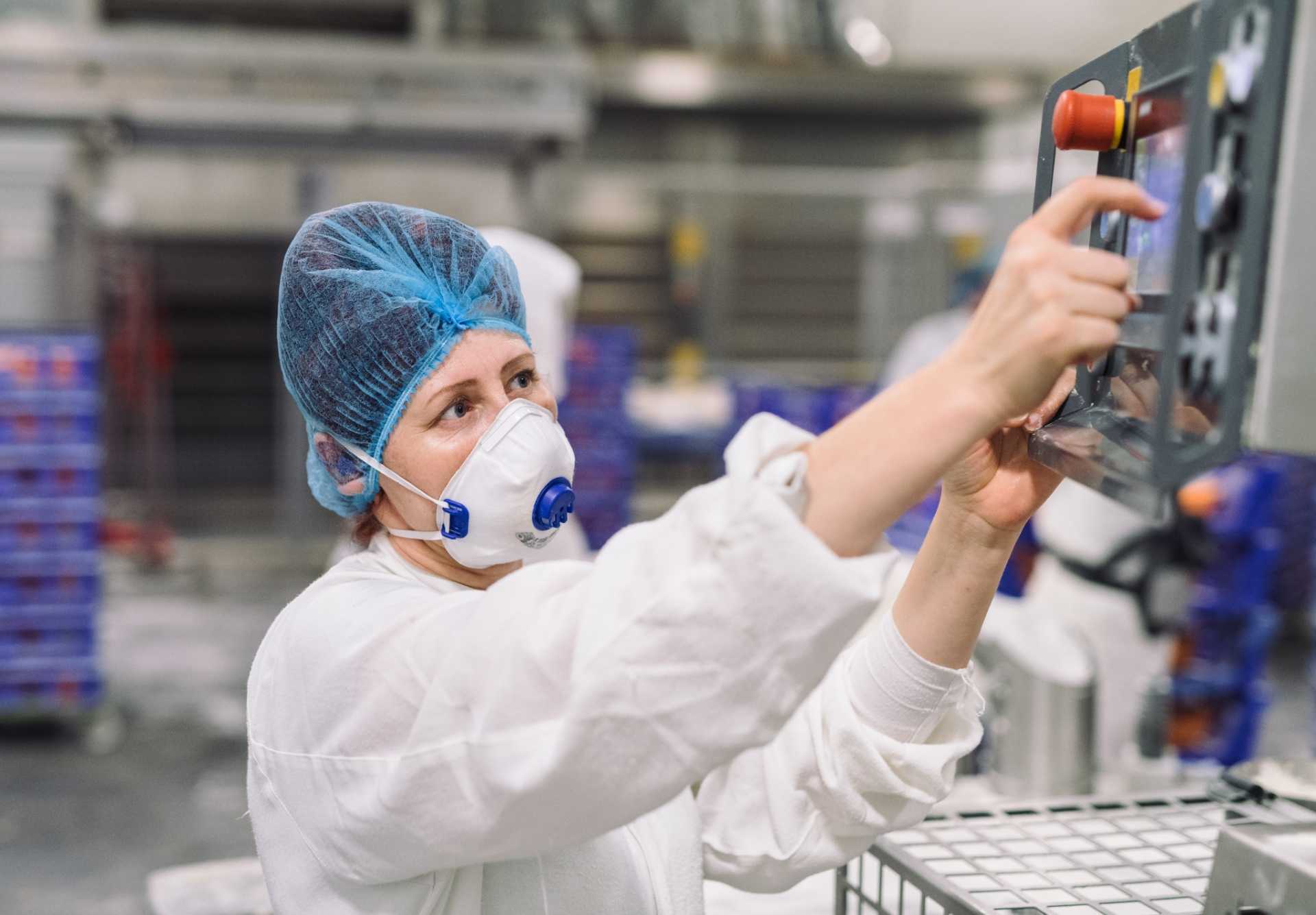
“We put a huge amount of effort into building capability so people understand how the data works and how to use it properly.” The approach also requires discipline. The business regularly audits what it measures to avoid data collection becoming an end in itself.
“What is right for a point in time may need to evolve for the future,” she added, acknowledging that maturity changes what information truly matters. To understand how that works in practice, Lucy pointed to the structure of the F1 excellence programme.
Inside the F1 excellence programme
Over time, the F1 framework has expanded into a holistic improvement system built around four pillars: performance, people, automation and sustainability. Each pillar has clear objectives and governance routines, ensuring that improvement in one area reinforces progress in another.
A new automation project, for example, is evaluated not only on productivity gains but also on its impact on skills development, carbon reduction and customer value. That alignment ensures that operational decisions support broader strategic goals.
At site level, F1 is visible in the rhythm of work. Frontline teams review results daily, identify root causes and test solutions. Best practice is shared across sites, allowing successful ideas to scale quickly across the group’s diverse bakery operations.
The framework also provides a cultural anchor. By giving teams common definitions and shared goals, it bridges the differences between businesses that produce everything from artisan sourdough to licensed celebration cakes. The same language of performance helps integrate new acquisitions and reduces the risk of silos.
Training is embedded through the Finsbury Academy, where employees learn not only technical skills but also how to interpret data and lead improvement activity. The aim is to make frontline teams increasingly self-sufficient, able to identify problems and implement solutions without waiting for direction.
Internally, F1 is seen as a differentiator, helping align 3,500 employees behind shared goals and consistent ways of working.
Developing skills at scale
With thousands of employees, building capability consistently across sites is no small task. The F1 framework provides the spine, supported by a dedicated People Excellence strategy and the recently formalised Finsbury Academy.
The academy hosts apprenticeships, graduate schemes and leadership pathways, but also routes for technical mastery on the factory floor. Engineering apprenticeships alone exceed 30 intakes a year, while cohorts across the business can reach 80 people.
“The future is that businesses are going to have to grow and develop their own talent. Labour is becoming a scarce resource, so we’re very committed to it,” Lucy said.
Operational apprenticeships are particularly important in bakery, where craft knowledge remains critical. The skills required to produce artisan sourdough differ markedly from those needed for Scottish snack lines, and the academy aims to preserve that expertise while opening up progression routes. Finsbury is also developing a degree apprenticeship programme, which could eventually prepare employees for senior leadership roles, including positions at an executive level, like Lucy’s.
Automation with people at the centre
Automation is a key part of the strategy, but Finsbury has sought to avoid the common trap of technology outpacing capability. Each automation initiative includes a parallel focus on culture and skills.
“There have been a lot of automation strategies that haven’t been as impactful as hoped because the skills to leverage them aren’t there,” Lucy noted. “People are just as important as putting the equipment in.”
The company has pursued automation for more than 12 years without significant workforce resistance, largely because it has prioritised redeployment and upskilling over redundancy. “We communicate the opportunities it brings – new skills, enhanced pay – and explain the why. If you tell people the purpose, they generally engage.”
Leadership without silos
As the group has expanded, leadership style has had to evolve. Lucy described learning to operate at different ‘altitudes’ – moving from site-level execution to enterprise-wide design. Her focus now is on ensuring programmes such as F1 deliver against the overall strategy while allowing others to flourish.
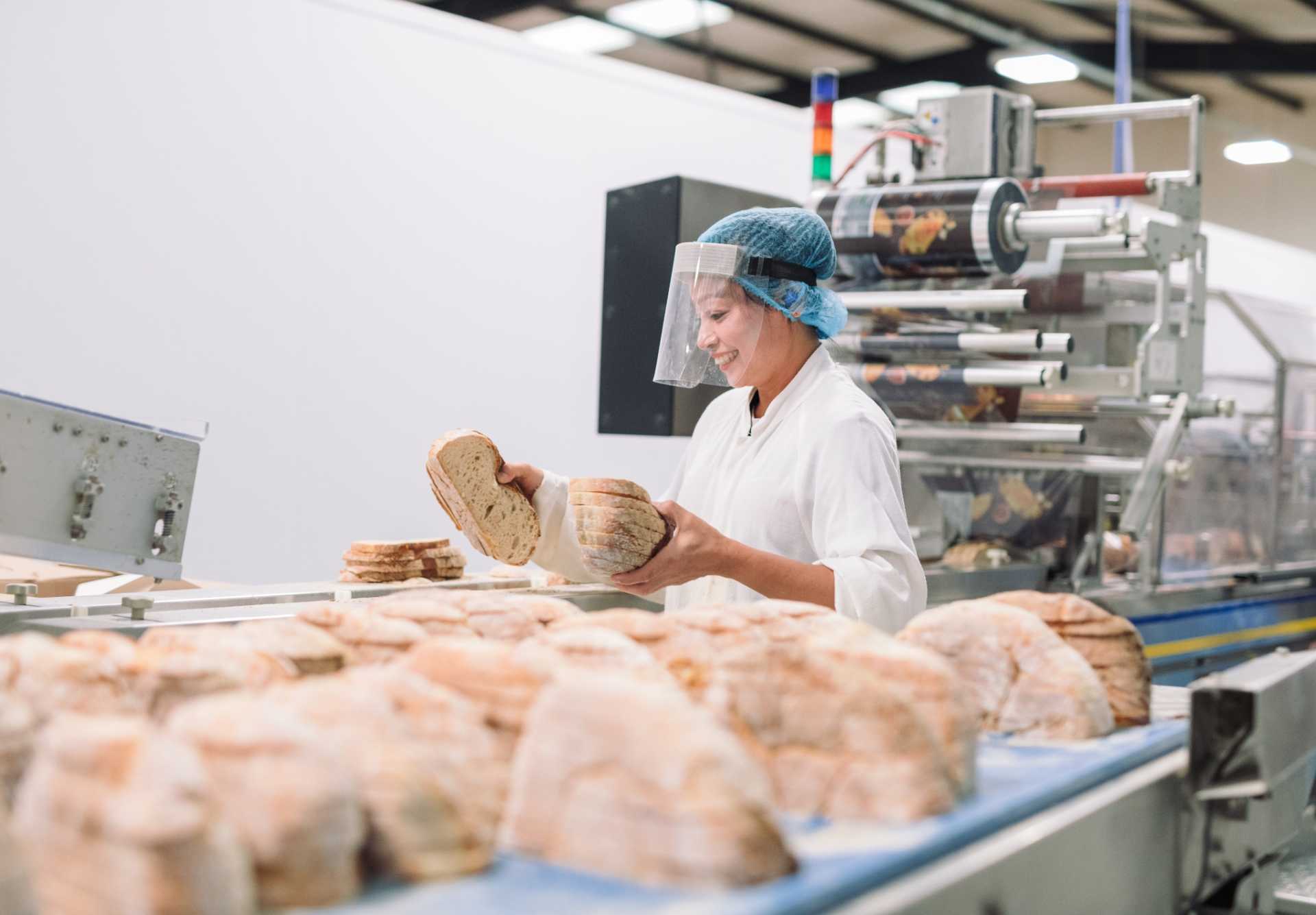
Organisational design is often developed ahead of immediate need to create headroom for growth. That approach, she believes, aids retention by giving people visible career pathways and greater challenges. “It’s a self-fulfilling prophecy. I can lead at altitude because I have a fantastic team that allows that to happen.”
Culturally, Finsbury has invested heavily in cross-functional coaching through a programme called Good to Great, bringing commercial, operational and supply chain leaders together. Shared objectives anchored in profitable growth are intended to replace departmental boundaries with collective ownership. “Building relationships is what allows the best results, because people trust each other and get on board with driving those results.”
Sustainability as value creation
Sustainability forms the fourth pillar of the excellence model. Rather than treating it as a separate compliance agenda, Finsbury integrates environmental metrics into the same reporting cadence as productivity and quality.
The current strategy focuses on three priorities: aligning with customers’ sustainability goals, strengthening internal expertise, and delivering end-to-end carbon reduction that also generates commercial value. Projects include groupwide solar deployment and a pipeline of infrastructure initiatives designed to cut emissions while supporting cost efficiency.
The approach has become more targeted over time. Earlier programmes were broad but struggled for traction. “We probably weren’t focused enough,” Lucy admitted. “Now we’re in a phase of driving sustainability in a way that adds value and does the right things to tread lightly on the planet; for us and our stakeholders.”
A platform for the future
Throughout our conversation, Lucy returned to the same theme: integration. Whether discussing digital systems, apprenticeships or carbon reduction, the goal is to connect activity across a diverse business so that improvement in one area reinforces another.
Internally, the excellence programme is viewed as a genuine competitive differentiator, helping align the workforce around consistent standards and shared objectives. For a sector often characterised by thin margins and intense retailer pressure, Finsbury’s experience suggests that long-term investment – in data, skills and leadership behaviour – can create resilience.
As the group continues to expand its footprint from artisan loaves to consumer cupcakes, the challenge will be maintaining that coherence. If Lucy’s journey is any guide, the recipe is already well rehearsed.
For more articles like this, visit our Digital Transformation channel