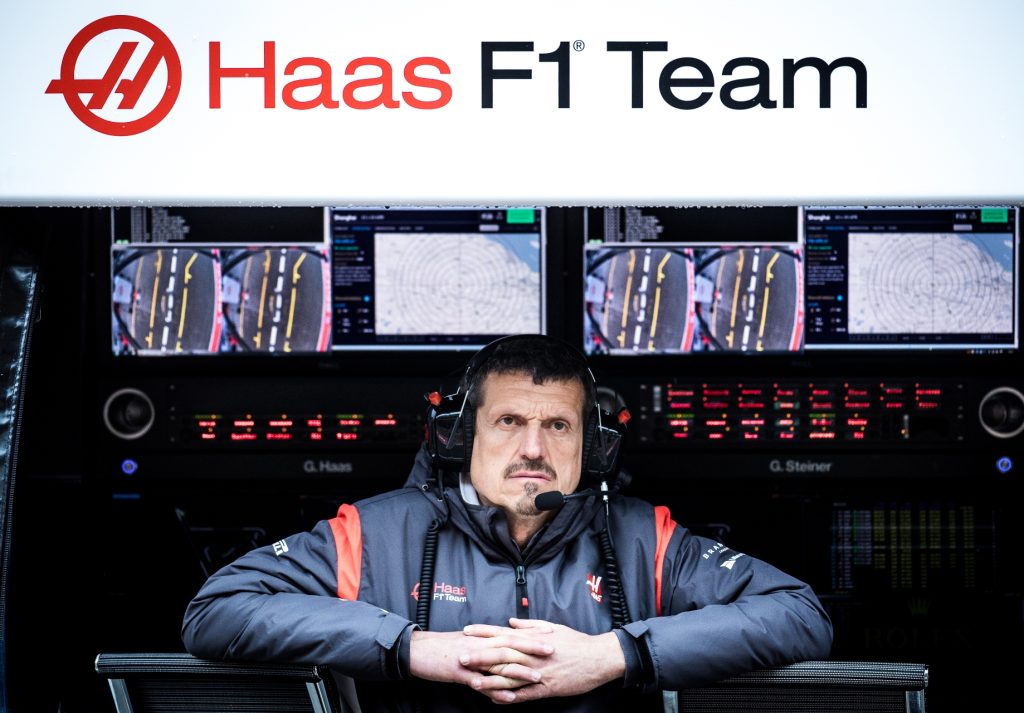
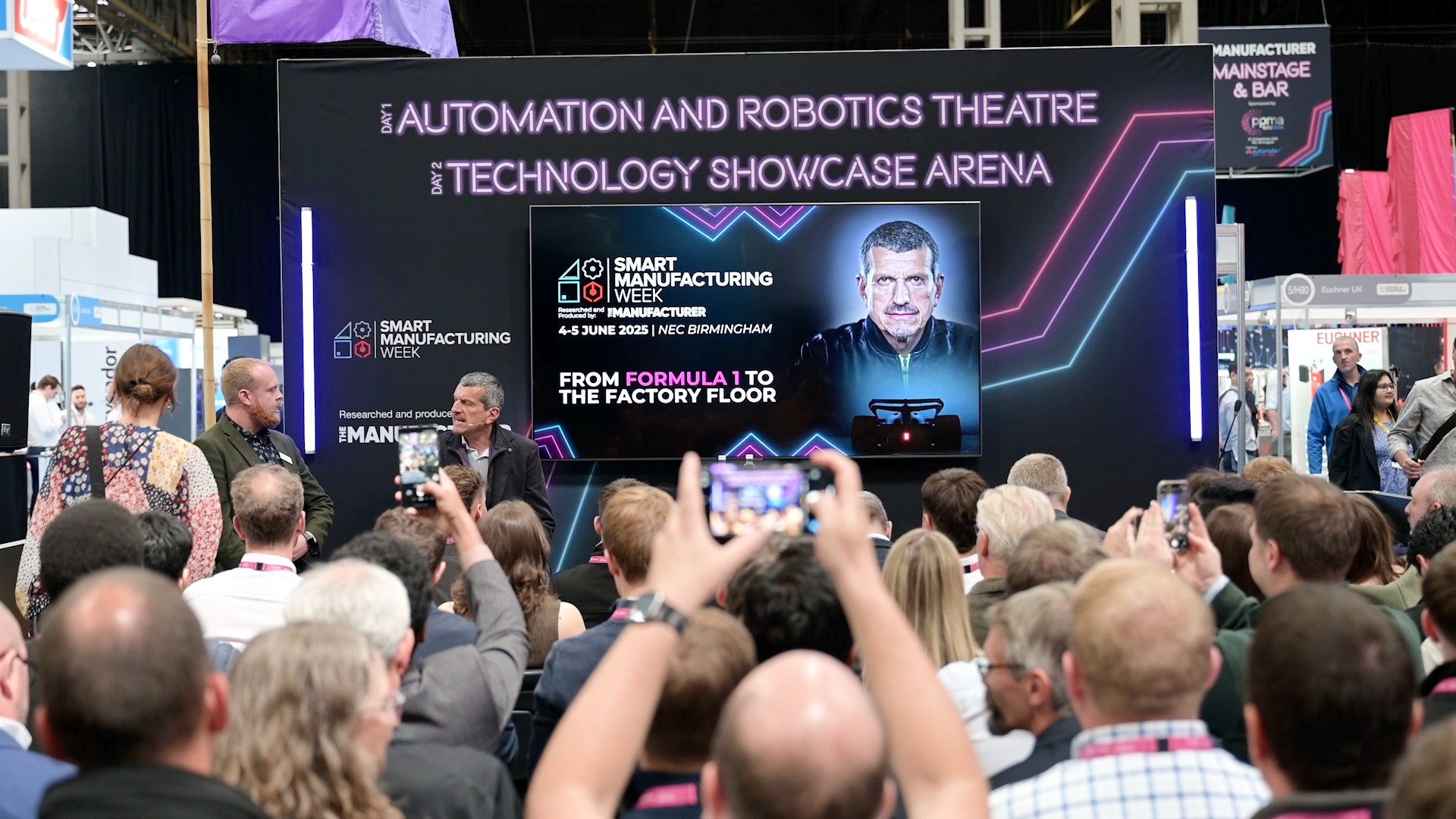
For Smart Manufacturing Week 2025, we wanted a show-stopping speaker. In Guenther Steiner, we got our guy. As the former boss of a high-performing Formula 1 team, he has often had to bring his tough side to the table. But like any good leader, there are levels to him. A captivated audience at the NEC in June, got a smiling, jovial and reflective Guenther Steiner. This legend of the sport shared with us his experiences, approaches and advice on everything from managing data, to managing egos.
Key takeaways
- Good leadership principles are effective in any team – be it in sport or business
- Managing big personalities requires a firm, but fair hand
- Focus only on the data that makes you better for the future
- Keep people informed about what the business or team is doing. This is important for keeping them engaged
- Problems should be faced with honestly. Look for solutions rather than excuses
FAQs
- Who is Guenther Steiner?
- How did he enter Formula 1?
- What is the highest finish the Haas F1 Team has achieved in a season?
- What is the most important aspect of leadership, according to Guenther?
The stage was set, and the lights were about to come up for another epic instalment of Smart Manufacturing Week. There was a mix of excitement and apprehension among the team. For a few of us, the nerves came from the question: “Are enough of this audience Formula 1 fans?”
Picking your celebrity guest for a trade show is always tricky. I’ve been to business events where the choice bears absolutely no relevance to the theme of the week. Paul Chuckle of The Chuckle Brothers once made an appearance at London Build – another Nineteen Group show attended by professionals from the construction industry. He asked if he could DJ, and the organisers let him. Apparently it was brilliant.
The person you land on needs to have something unique to offer, and it needs to draw a crowd. When Guenther Steiner walked on to the show floor at the NEC, those slight pre-event nerves were quickly quashed.
I thoroughly enjoyed putting questions to him in front of a packed-out Technology Showcase Arena situated in the heart of the show floor. As did an enthralled, and at times, beaming audience. I was sure to leave a sizeable chunk of the session for audience questions and we had no problem filling that time, as hands went up left, right and centre.
A character of the sport
The unique element he offers? As well as his opinions on leadership and team management, having been team principal for the Haas Formula 1 Team from 2016 to 2023, it’s his personality that has gained him a following.
Personalities, after all, are part of the reason people love sport. And this was the case in decades gone by; George Best, John Mcenroe, and for an F1 reference, James Hunt, to name a few.
In the modern age, sport is analysed, replayed and on-demand like never before. And the spotlight that shines on the entertaining personalities has never been brighter. Through this unprecedented age of access and insight, we’re given people like Guenther. The documentary ‘Drive to Survive’ has become a hit since 2019. A collaboration between Netflix and Formula 1, it gives a behind-the-scenes look at the drivers, teams and races of the F1 World Championship.
One particularly memorable scene involving Guenther came in season two. While in his office, he gives a stern dressing down to two Haas drivers at the time, Kevin Magnussen and Romain Grosjean. He ends the telling off by firmly stating: “If you don’t like it, I don’t need you here. Do not come back, please.”
Having obviously taken issue with this, Magnussen smashes the office door closed on his way out. Alerted by the loud sound, an infuriated Guenther gives chase down the stairs. Unable to find Magnussen in the vicinity, he furiously strides across the room: “He’s not f***ing doing that to me!” Then, with his finger pointing at the chest of a Haas team member, he delivers one of the lines of the series: “He does not ‘f**k smash’ my door! Tell him that.”
Elite sports environments can be highly charged. And while this scene gives us a glimpse of Guenther’s ability to give ‘the hair-dryer treatment,’ the series frequently shows the other side to him. He’s often smiling, laughing and joking – even at himself. I suppose you need a wide pallet of emotions when you’re the leader of a high performance team. And you need to know the right time to exude each emotion, depending on the circumstance.
We got a happy version of Guenther at the NEC. He was willing to share everything; he was thorough and insightful in answering questions on leadership. He was also magnanimous to the Haas team he left behind – there is no sense of hard feelings.
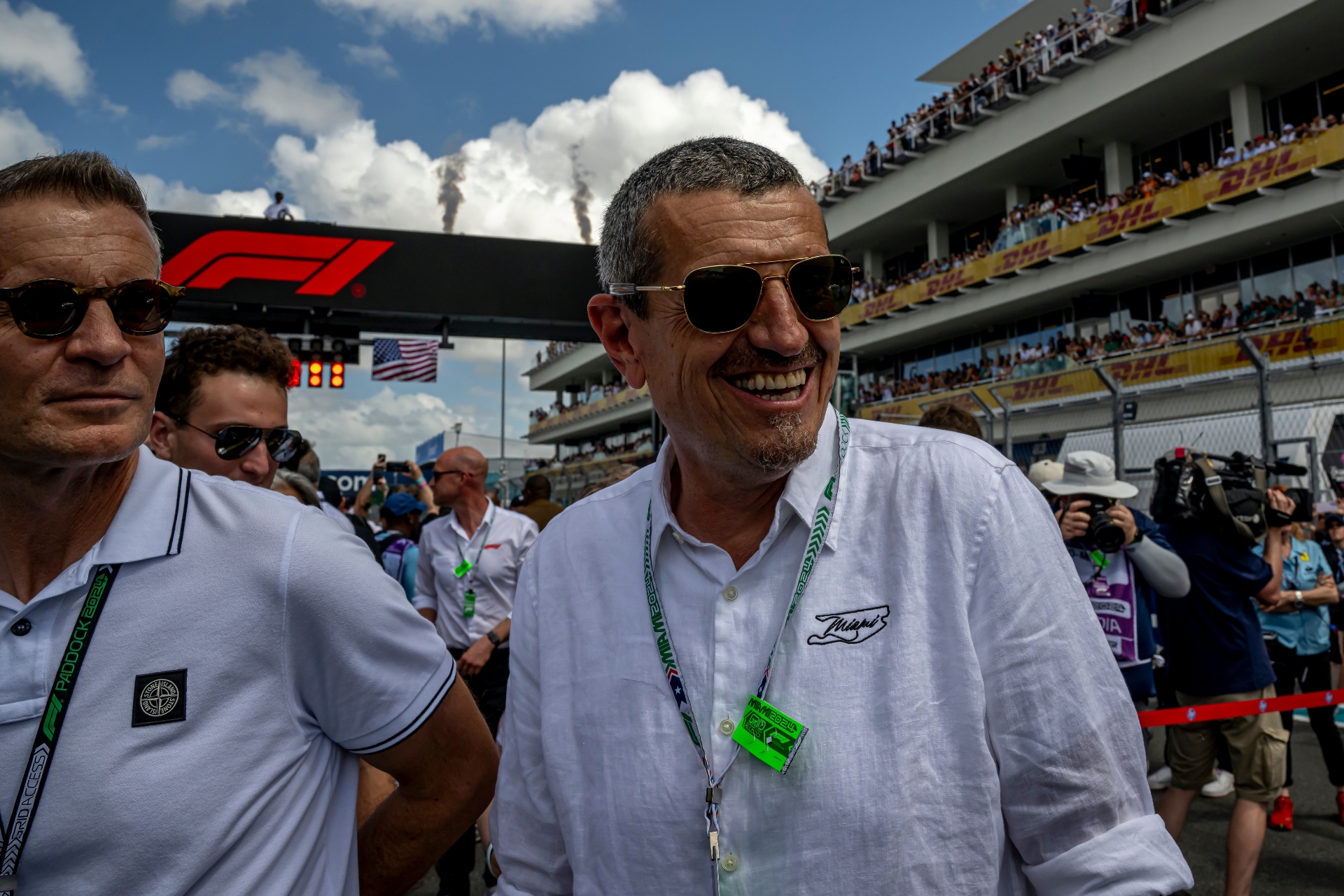
In conversation with Guenther Steiner
How did your journey in F1 start?
GS: I came into Formula 1 in a very strange way. To be invited into it from a guy like Niki Lauda – a three time world champion – was an honour. That happened in the early 2000s, after which I became the Managing Director of Jaguar Racing and Technical Operations Director of Red Bull Racing.
Then, after some time out of the sport, I had the idea to set up a Formula 1 team in the US. This was firstly because I live there, but also because there are a lot of people with money in the US. And that is what you needed for Formula 1 at the time – an investor willing to spend the money with an appetite for risk.
I started off with writing a business plan which I showed to quite a few wealthy people, to see if anyone was interested in starting a team. I ended up finding Mr. Haas, and then in 2014 we got a licence. I started to put a team together, which took around one and a half years. Once we had built the team, we built the car, and then we went to our first race, The Australian Grand Prix in Melbourne in 2016.
And you were up against far more established teams – the likes of Mercedes, Red Bull and McLaren
We were the new guys on the block, for sure. And there were new teams before us that tried to make an impact and failed. It is tough because as a new team in F1, you’re immediately competing with the best of the best. It’s not like football, where you begin in a lower league and work your way up. In this sport, you go from nowhere straight into F1.
However, if you don’t have success in the first three years, either your investor runs out of passion or they run out of money, and the team is done. That was one of the tasks which I had in front of me. But the Haas F1 team survived, and it’s still around today.
To compete with the best you obviously have to hire the best. You have worked with some phenomenal racing drivers, but drivers with big egos. What was it like managing them?
It wasn’t always easy. But you just have to explain to people that they’re part of a team. And of course, you don’t want to diminish their role in that, because they’re extremely talented individuals. But they’re in a team of hundreds of people.
You can say to a driver, ‘You are very important. Everybody loves you. You are the star.’ But without all the other people around them they cannot be successful. You need to be humble and embrace everyone helping you to be successful. There’s no point having a big ego; if you do then you need to go because there is no space for it.
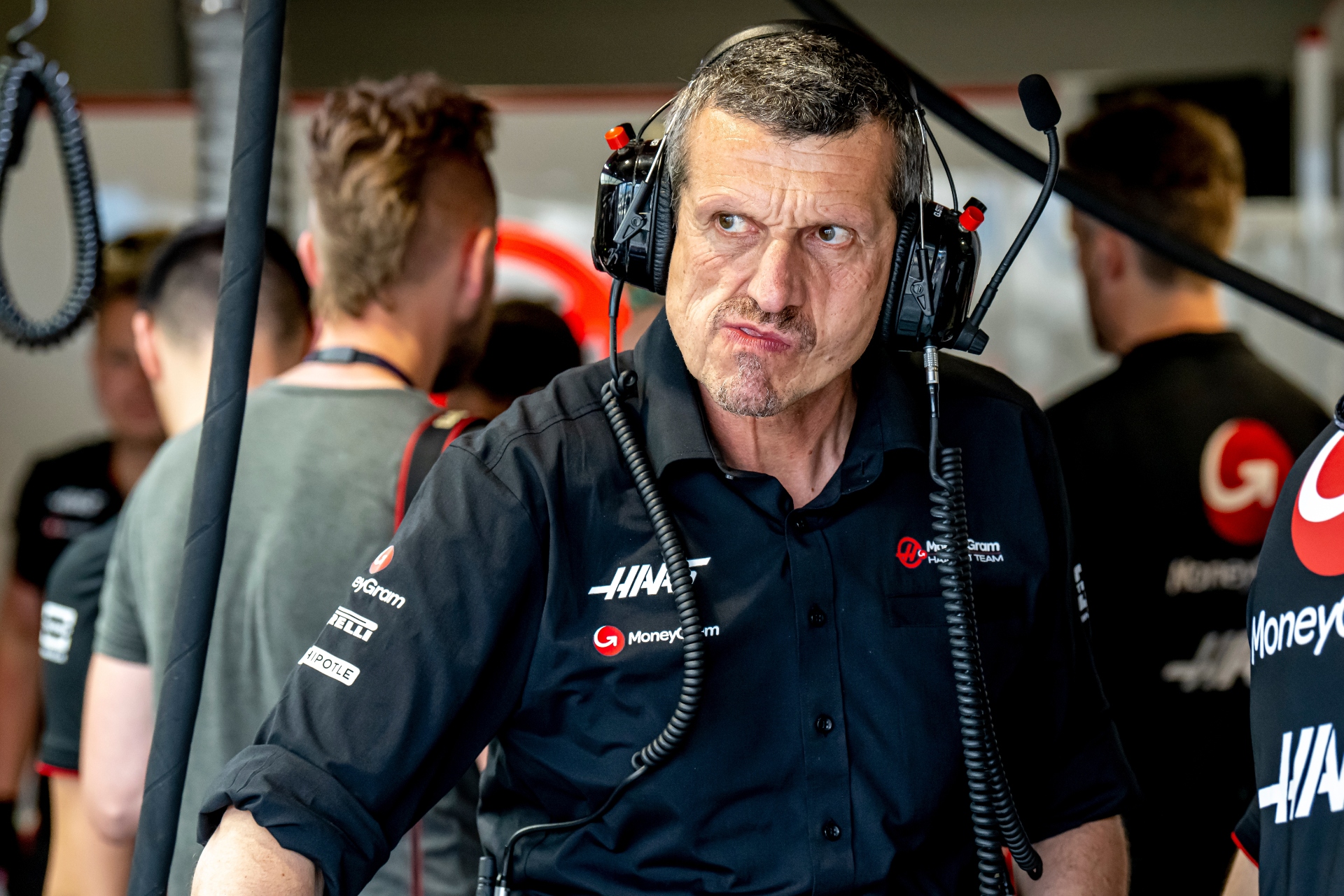
Guenther at practice for the 2023 Formula 1 Miami Grand Prix, courtesy of Shutterstock
You’ve mentioned the importance of the wider team. How did you ensure they all felt important?
You need to make sure they understand that they are appreciated. And the best way to do that is to inform them of what is going on in the company, or in the team in this case. Always let them know what the team is aiming for, and what is realistic to aim for. Always give them targets, explain your vision and what you want from them. This way you keep them engaged.
If you just leave them, then they become disengaged and lose passion in their roles; they just become the boring 8.00-5.00 jobs. Obviously, the best medicine for that is success. But of course, no team has good results all the time, and when you don’t have the results, you need to put emphasis on keeping people engaged and informed.
Data is integral to manufacturing organisations. How did Haas leverage its data?
In Formula 1, there is so much data these days – almost too much. And now the emphasis is on analysing all of that data. This is impossible for a human to do; you need AI tools. But in F1 it’s natural that people look at data, and it’s important because that is where they get their information from, to make the car better.
The same applies to manufacturing; you are gathering information to get better. You need to look at data as nothing more than something which has already happened. If you know what happened, rightly or wrongly, you can make it better. There should be an emphasis on analysing data as best you can, but only the data which actually makes us better for the future.
With that in mind, is there a danger of over-relying on AI to extract the most important data?
A lot of people are certainly wary of AI, rather than afraid. People think it will take their jobs, but I always say: “AI will not take your job, it will help you to do it better.” I think we all have to embrace AI wherever we can, but we can’t rely on it 100%, because the human being, for me, is the most important part in the chain of events.
Let’s talk about ‘Drive to Survive’ for a moment, because you were very much a star of that. Do you think that was good for the profile of Formula 1?
Absolutely. It has attracted a wider audience; young people, which every sport wants because they are the future. It has attracted a lot of females to the sport as well. It has traditionally been a very male dominated sport. However, almost 50% of the viewers now are female, which is fantastic.
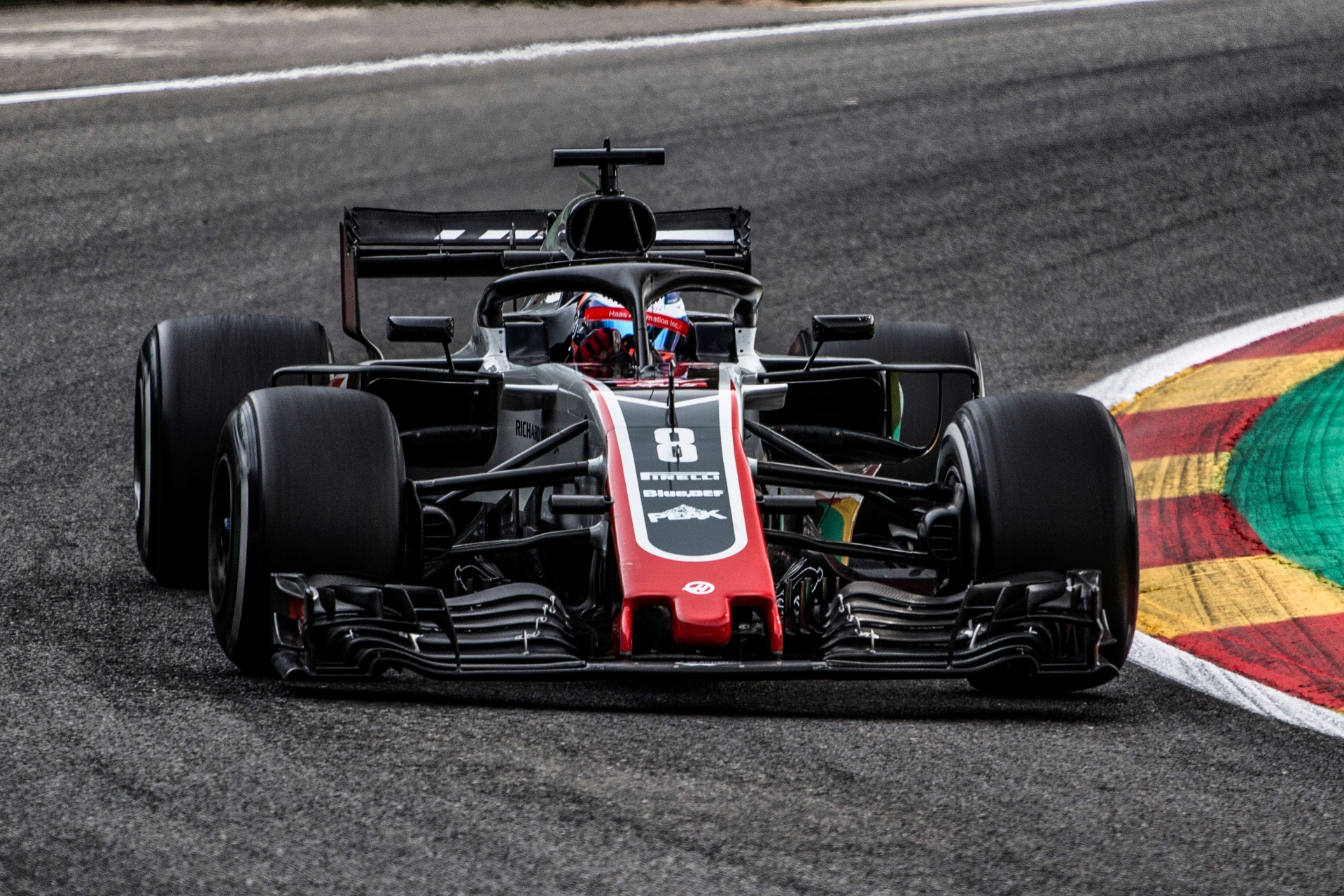
Romain Grosjean driving the VF-18 in 2018. Haas finished the season in 5th place, the team’s best finish to date
I think it also came at the right time. With the pandemic, it was a bad time for a lot of people. But people were at home, they didn’t know what to watch. So, they watched Drive to Survive. And then F1 came back to being live on TV in June of that year, and people started to watch it. I think in the end, it was a very good thing for F1.
What is the most important aspect of leadership?
For me, the most important thing is honesty. Be honest, look problems in the eye, and analyse them. Never find excuses, always find solutions. If something is wrong, address it. Whoever it is – if it was you, admit it. As long as you don’t do it wrong next time, you’ll be fine!
Also, if other people do something wrong, tell them, and be honest about where they went wrong. But then work with them to get it right. Do not dwell on the mistake, dwell on the solution.
For more articles like this, visit our Leadership section