
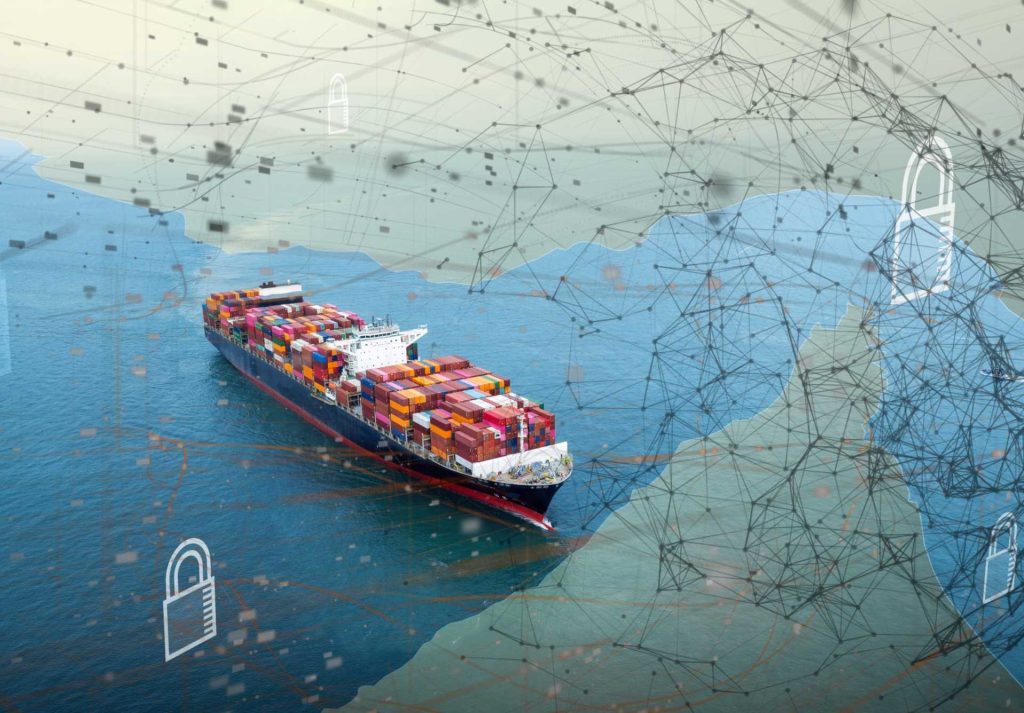
For the last few months, manufacturing supply chains have been feeling the pressure following the eruption of conflict between the US and Iran and the subsequent closing of the Strait of Hormuz, which brought further supply chain disruption and escalating energy costs.
Now, it appears, light may finally be at the end of the tunnel as it has been announced that the US and Iran have agreed a framework deal to end the war, which includes the Strait of Hormuz reopening.
On Friday, the US and Iran are expected to sign a Memorandum of Understanding (MOU) that will call for the lifting of the naval blockade within 30 days, restoring passage through a route that carries a significant share of the world’s oil.
Companies need to treat this as a window, not a resolution. Uncertainty persists, possibilities for renewed disruption linger and risk models now account for future disruptions.
Tammy Kulesa, Senior Director, Supply Chain Execution, Blue Yonder
However, while public statements suggest the strait will be effectively ‘open’ from the moment the deal is signed, others believe that in practice, implementation is conditional and dependent on events that have yet to unfold.
The deal is by no means final. Instead, it triggers a 60 day window in which its most consequential elements are to be negotiated and implemented:
- The suspension of sanctions on Iranian oil sales
- The release of roughly $24bn in frozen Iranian assets
- Progress towards a broader nuclear agreement
- Commitments linked to halting Israeli military activity in Lebanon
Taken on face value, this most recent announcement is a huge step forward, however, it’s clear that the reopening of the Strait of Hormuz comes with its own conditions that are far from guaranteed, and crucially, both the US and Iran have offered conflicting accounts on what comes next following the scheduled signing of the MOU in Geneva on Friday.
Prices have fallen since the announcement. However, backlogs, high freight costs and refinery disruptions mean a return to normal operations could be slow and uneven.
Tammy Kulesa, Senior Director, Supply Chain Execution consultants, Blue Yonder, commented: “The re-opening of the Strait of Hormuz eases supply chain pressure but doesn’t cure it. Shippers, manufacturers and consumers can expect some relief, but our expectation should be that it is gradual and irregular.
“While crude oil may stabilise and input costs could ease over the next couple of quarters, elevated freight rates, persistent risk premiums and refinery disruptions will keep transport and product prices above pre-crisis levels for months. Consumers should be prepared for slow relief as inflationary pressures continue to ripple through supply chains.”
Furthermore, despite the fact that US President Donald Trump declared that the Strait of Hormuz would reopen on Friday, June 19, and ordered the immediate removal of the US naval blockade on Iranian ports, the global shipping industry urged caution, with Japanese operators warning that mine-clearing details must be resolved before vessels transit the waterway.
How long this could take before shipping could recommence in earnest is unclear and raises further concerns for energy markets and global trade, not least the fact that any agreements and reopening of the strait must first and foremost, be sustainable. A nominal reopening that sits alongside renewed regional conflict would offer limited reassurance to insurers, shipowners or traders.
Karin Strom, VP at supply chain consultants Proxima, said: “At present, much of the agreement remains defined by what has not yet happened. The full wording of the memorandum has not been released, key implementation steps remain ahead, and the political environments in the region are shifting in real time.
“There is, undeniably, an opportunity here. If delivered, the agreement could ease one of the most persistent pressure points in global energy supply and open the door to broader diplomatic progress. But that outcome rests on a chain of conditions that extends well beyond the strait itself.”
Enjoy this article? Resonate with the topic? Our new event , Manufacturing Supply Chain & Inventory Forum is for you. Click here to find out more.

For more articles like this, visit our Supply Chain channel