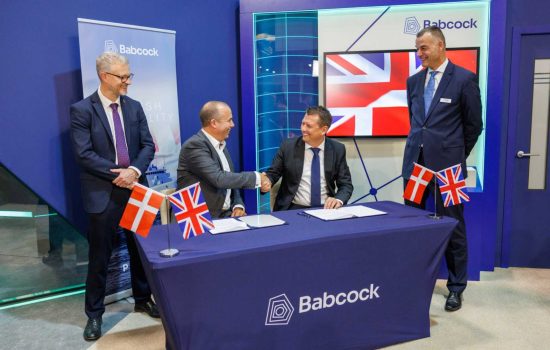


Babcock International has signed an £8.7bn agreement with the UK Ministry of Defence (MoD), securing thousands of skilled jobs and creating significant opportunities for British manufacturers and engineering businesses across the defence supply chain.
The five-year Gateway Agreement, the largest contract award in Babcock’s history, will support the maintenance and servicing of the Royal Navy’s nuclear submarine fleet, alongside technical engineering and naval base services at HMNB Devonport and HMNB Clyde.
Crucially for the wider manufacturing industry, the agreement is expected to generate £2.4bn of spending across the UK supply chain, including approximately £1bn targeted specifically at small and medium-sized enterprises (SMEs).
The commitment represents a significant pipeline of work for domestic suppliers, with opportunities spanning engineering, specialist components, technical services and infrastructure supporting the UK’s sovereign submarine capabilities.
Taking effect on 1 December 2026, the agreement will initially run for five years, with the potential to extend the relationship to 15 years.
Thousands of jobs and skills opportunities
Alongside safeguarding 8,500 existing nuclear defence roles at Babcock, the agreement is expected to create 3,000 additional full-time jobs over the next five years.
A further 2,500 apprenticeship and graduate opportunities will also be supported, providing a substantial boost to the specialist engineering and technical skills pipeline required by the UK’s defence manufacturing sector.
The new positions will be concentrated primarily around Plymouth, Clyde and Bristol, with the Government identifying 1,600 jobs in Devonport, 900 in Clyde and 500 across Bristol and other locations.
The investment is also expected to generate more than £500m in social value for communities across the UK, strengthening the economic contribution of the defence sector beyond its immediate workforce and supply chain.
The agreement forms part of a wider programme of investment in the UK’s defence nuclear enterprise, which already supports more than 6,000 UK companies and approximately 47,000 jobs. Workforce demand across the enterprise is forecast to rise to around 65,000 by 2030.
Strengthening UK industrial capabilities
Beyond the immediate employment and supply-chain benefits, the agreement provides greater long-term certainty for businesses involved in maintaining and developing the UK’s nuclear submarine capabilities. It brings together submarine maintenance, engineering, technical support and naval base services under a single contractual framework, with the aim of increasing productivity, improving maintenance capacity and getting submarines back into service more quickly.
The programme will also support the transition from the existing Vanguard Class submarines to the next-generation Dreadnought Class fleet.
Babcock is already investing in the infrastructure and capabilities needed to support this growth, with recent projects across Plymouth, Clyde and Bristol including the Babcock Skills Centre at Devonport, the Integrated Logistics Hub and the Babcock Plymouth Capability Centre.
Harry Holt, CEO of Babcock, said the agreement would enable the company to develop the skills, infrastructure and capabilities needed to support the Royal Navy’s submarine fleet for years to come.
He added that the programme would strengthen the UK’s sovereign industrial capabilities, bringing benefits to communities across the country, including SMEs and local supply chains.
The Gateway Agreement also complements the Government’s wider £26bn Project Royal Oak programme, which will modernise naval infrastructure across Devonport, Clyde and Portsmouth over the next decade.
Together, the commitments represent a substantial long-term investment in the UK’s defence industrial base, supporting domestic manufacturing capabilities, specialist engineering skills and the businesses needed to sustain the country’s future submarine programmes.
For more articles like this, visit our Leadership channel