

Caro Group case study highlights award-winning cost and carbon strategy.
Energy is one of the most volatile and high-impact costs in manufacturing, and it’s only getting more complex. A combination of global fuel market shocks, tightening regulations, and increased demand for low-carbon products means manufacturers can no longer afford to treat energy procurement as a simple renewal exercise.
Advantage Utilities, a specialist energy and sustainability consultancy, has worked with some of the UK’s most energy-intensive businesses to mitigate this risk. In 2025, Advantage Utilities was recognised as Consultancy of the Year (Large Customers) at the TELCA Awards, a reflection of the tangible savings and long-term resilience it has helped deliver for clients.
One example of this is the firm’s 12-year partnership with Caro Group, a UK-based manufacturer in the construction and defence supply chain, which achieved over £3.2 million in savings through smarter energy strategy and carbon reduction planning.
The hidden risk in energy renewals
Many manufacturers approach their energy contracts as a commodity: price-focused and reactive. But in today’s market, the structure of an energy contract can either support operational flexibility and carbon targets, or quietly work against them.
A typical electricity or gas contract includes:
- Wholesale energy charges (which fluctuate with market prices)
- Network and policy levies (based on region, usage patterns and regulatory decisions)
- Standing charges and supplier margins
Fixing or bundling the wrong elements (especially without a clear understanding of site load profiles or planned changes to operations) can lock manufacturers into inflated or mismatched costs for years. That’s why strategic procurement is now considered an essential part of business planning.
Caro Group case study: Using energy strategy to stay competitive

Caro Group manufactures products for the construction, aerospace, defence and flood defence sectors, industries with increasingly tight margins and rising expectations on sustainability.
As a foundry-based manufacturer, the group faces extremely high energy demand and is exposed to wholesale volatility. When Advantage Utilities first began working with Caro Group more than a decade ago, the focus was simple: survive a looming market spike.
In 2009, Advantage advised Caro Group to enter a fixed five-year electricity deal ahead of predicted market instability. That decision proved critical. As prices surged, Caro Group’s forward-buying strategy shielded the business from volatile costs and ultimately delivered savings exceeding £3.2 million.
But the work didn’t stop there. Over the following years, Advantage supported Caro Group with:
- Carbon reduction planning: including LED lighting upgrades, installation of low-powered machinery, and review of site travel practices
- Waste reduction: helping identify opportunities to cut unnecessary energy consumption
- Remote working optimisation: introducing video conferencing to reduce international travel emissions
- Regulatory compliance: supporting the business with energy efficiency reporting and other compliance obligations
Caro Group’s Managing Director, David Lowe, credits this long-term collaboration with supporting the company’s resilience during an especially challenging decade for the industry.
“Energy is one of our biggest costs, and getting procurement wrong can be disastrous,” said Lowe. “Advantage came to us with solutions before we even knew we had the problem. At a time when hundreds of foundries went bust, we stayed afloat and saved over £3.2 million.”

Practical steps manufacturers can take
Drawing on our experience with clients like Caro Group, Advantage Utilities recommends five key steps manufacturers should take ahead of their next energy contract renewal:
- Understand your cost breakdown. Separate your energy bill into wholesale, network, policy and supplier components to identify where the biggest risks lie.
- Align contracts with site behaviour. Use historical data to understand your load profile. A contract suited for a flat production site won’t work for a seasonal or shift-variable facility.
- Check your data. Review metering infrastructure, invoice accuracy and any anomalies across sites. Errors and missed optimisations often go unnoticed in large estates.
- Incorporate carbon goals. Link your procurement strategy to carbon targets. If you’re planning efficiency upgrades or installing on-site generation, factor these into your volume forecasts and procurement approach.
- Designate energy accountability. Assign ownership within the business and agree triggers for contract review, such as operational changes, regulation updates or unexpected spend spikes.
Why use an energy consultancy?
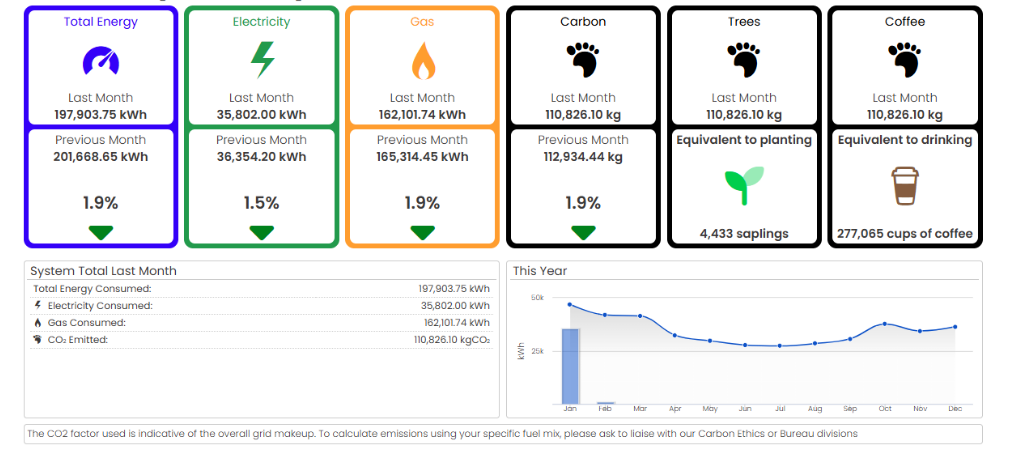
Manufacturers often lack the internal capacity to manage energy strategy in-house, especially when it spans procurement, carbon planning, compliance and ongoing reporting. Advantage Utilities works as an extension of clients’ teams to fill that gap, offering:
- Strategic procurement advice
- Regulatory guidance and ESOS/SECR compliance
- Sustainability roadmaps
- Full visibility over multisite usage for all utilities via Advantage Utilities In-house platforms
- Invoice validation and bill auditing
- Market intelligence and reporting tools
This joined-up approach has earned Advantage Utilities recognition across the energy sector, including the recent TELCA award win, but more importantly, it has helped businesses like Caro Group turn energy from a liability into a lever for competitiveness.
Final thought
The energy market will continue to evolve. But as Caro Group’s experience shows, forward-thinking strategy and the right partner can create real commercial impact, not just lower bills, but operational resilience and environmental progress too.
If you’re a manufacturer facing a renewal or looking to reduce energy overheads, now is the time to take a more strategic view.
Get in touch: Contact Advantage Utilities

Tim Ross, Director, Advantage Utilities
Tim Ross is Director at Advantage Utilities, a UK energy consultancy supporting large businesses with cost, risk and carbon strategies.
For more articles like this, visit our Sustainability channel.