
In this first of a new series of guest blog posts for The Manufacturer, Westley Engineering’s Christopher Greenough argues that strengthening the UK’s manufacturing base requires a more collaborative approach across every tier of the supply chain – one that prioritises long-term partnerships over short-term cost savings and recognises that when every link is given the opportunity to succeed, the entire chain becomes stronger.
One of the things I’ve come to appreciate throughout my career in manufacturing is that no successful product is ever built by one company alone. Whether it’s an aircraft, defence system, commercial vehicle or industrial machine, every finished product is the result of hundreds, sometimes thousands of businesses working together. From the OEM to the smallest specialist supplier, every link in the chain matters. Yet too often, we still talk about supply chains as though they only begin with the largest organisations. The reality is very different.
A Tier 1 supplier cannot deliver without a strong Tier 2. Tier 2 depends on Tier 3. Tier 3 relies on Tier 4. If one link weakens, the whole chain feels the impact.
I’ve seen first-hand how UK SMEs consistently rise to the challenge. They innovate quickly, solve problems creatively and adapt faster than many larger organisations. They invest in people, develop specialist skills and deliver quality that competes on a global stage. But resilience shouldn’t be taken for granted.
Across UK manufacturing, many SMEs continue to face familiar challenges. Rising costs, recruitment difficulties, cash flow pressures and ongoing investment demands all place significant pressure on businesses that are already operating with lean teams and tight margins. At the same time, customers rightly expect higher quality, shorter lead times and greater flexibility than ever before. This is where the relationship between every tier of the supply chain becomes so important.
The strongest supply chains aren’t built on purchase orders alone. They’re built on trust, transparency and collaboration. When customers share forward forecasts, suppliers can invest with greater confidence. When engineering teams involve suppliers early in product development, better solutions often emerge. When communication is honest and regular, problems are identified sooner and resolved faster. And when success is shared across the supply chain, everyone benefits.
Too often, procurement focuses almost exclusively on price. Of course, cost matters, but selecting suppliers based solely on the lowest quotation can create hidden risks that only become visible months later through quality issues, delayed deliveries or reduced capacity. Long-term partnerships deliver far greater value than short-term savings.
This is particularly important as the UK looks to strengthen strategic sectors such as aerospace, defence, nuclear and advanced manufacturing. These industries depend upon capable, financially healthy SME supply chains that have the confidence to invest in new technology, apprenticeships and future capacity.
If we want sovereign capability, we must also build sovereign supply chain resilience. That means making it easier for SMEs to engage with larger organisations, creating clearer routes into major programmes and encouraging greater collaboration between primes and their suppliers. It also means recognising that innovation doesn’t only happen at the top of the supply chain. Some of the most innovative ideas often come from smaller businesses that are closest to the manufacturing process.
At Westley Engineering, we don’t simply want to win orders. We want to build lasting relationships based on trust, reliability and continuous improvement. The strongest partnerships are those where both organisations grow together, solve problems together and celebrate success together. Because manufacturing has never been about one company working in isolation. It’s about thousands of businesses pulling in the same direction.
When every tier of the supply chain is valued, supported and given the opportunity to succeed, the entire UK manufacturing sector becomes stronger, more competitive and better prepared for the opportunities ahead.
After all, a supply chain is only ever as strong as its weakest link. The future of UK manufacturing depends on making every link count.
About the author
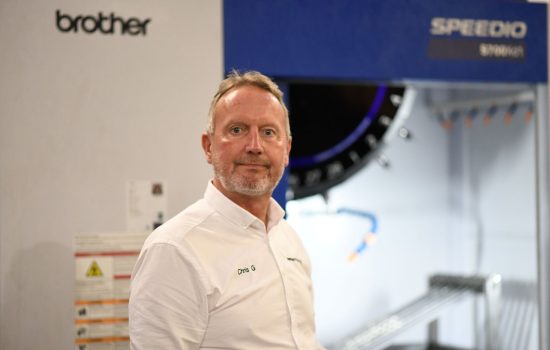
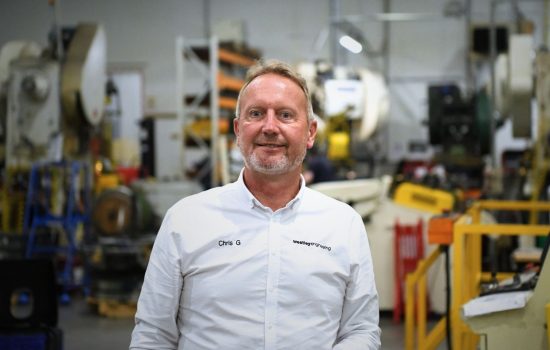
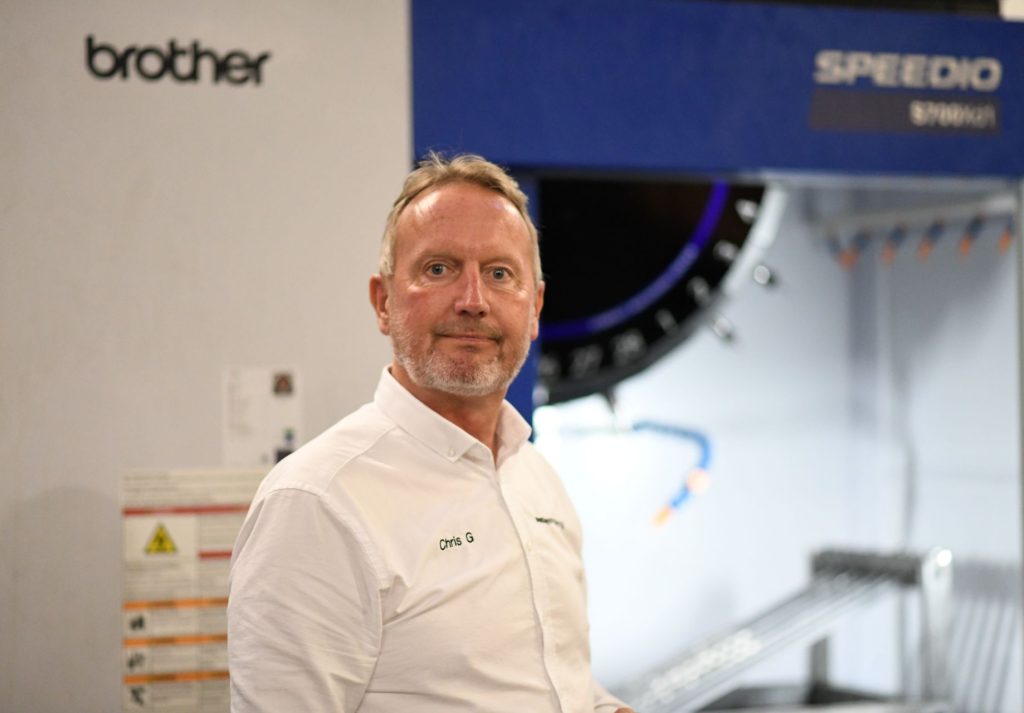
 Christopher Greenough is Managing Director of Westley Engineering, bringing more than 30 years of leadership experience across the UK manufacturing sector. Passionate about engineering, innovation and developing people, he is committed to helping British manufacturers grow through investment in technology, skills and collaboration.
A recognised advocate for UK manufacturing, Chris is widely known for connecting businesses, championing SMEs and promoting stronger supply chains across industry. Through his industry engagement, public speaking and the SME Focus webcast, he works to raise the profile of manufacturing while encouraging the next generation to pursue careers in engineering.
Chris has received national recognition, including The Manufacturer Top 100 and the Regional Leadership Award, reflecting his contribution to manufacturing and business leadership. His focus remains on building resilient businesses, creating opportunities for people and ensuring UK manufacturing continues to thrive in an increasingly competitive global marketplace.
Enjoy this article? Resonate with the topic? Our new Manufacturing Supply Chain & Inventory Forum is for you. Click here or the banner below to find out more.

For more articles like this, visit our Supply Chain channel.