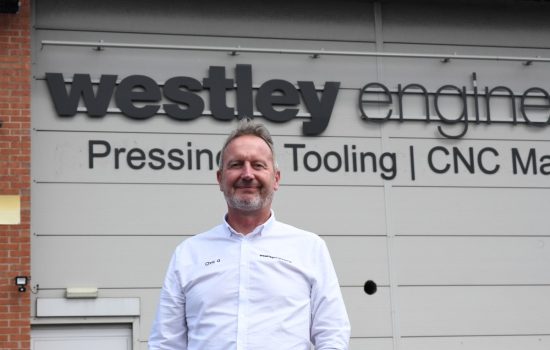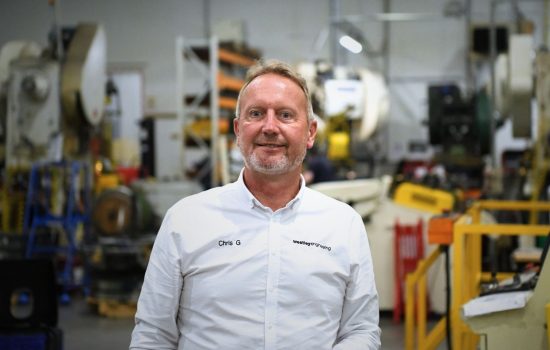
In this latest guest blog post for The Manufacturer, Westley Engineering’s Christopher Greenough argues that you can quickly assess how well a factory is run by observing its people, standards, culture and leadership on the shop floor rather than simply looking at its technology or KPIs.
I’ve spent nearly 30 years working in and around UK manufacturing businesses, and I’ve come to believe something that might sound slightly controversial. You can normally tell whether a factory is well run within about ten minutes of walking through the door.
You don’t need to see the management accounts. You don’t need to study the OTIF figures, EBITDA or customer scorecards. And you certainly don’t need a two-hour PowerPoint presentation.
Just walk the factory. The clues are everywhere.
Look beyond the machines
The first thing I notice isn’t necessarily the equipment. It’s the environment.
Is the place organised? Is material clearly identified? Are gangways clear? Is tooling where it should be? Are machines being looked after?
I’m not suggesting every factory needs to look like an operating theatre. Manufacturing can be messy. We cut metal, use oils and coolants, move material and make things. But there’s a big difference between a factory that’s busy and one that’s simply untidy. Standards matter.
Then I look at the people. Do they acknowledge you as you walk around? Do people appear engaged? Are supervisors visible? Is there energy about the place? Most importantly, do people seem to take pride in what they’re doing?
You can learn an enormous amount without asking a single question.
Culture leaves clues
One of the biggest lessons I’ve learned during my career is that culture isn’t something written on a poster in reception. It’s what happens when nobody is watching.
It’s whether someone picks something up from the floor because it shouldn’t be there. It’s an operator stopping production because something doesn’t look right. It’s a supervisor helping solve a problem rather than looking for somebody to blame. It’s people talking openly about what’s gone wrong and, more importantly, what they’re going to do about it.
Those small behaviours tell you far more about a manufacturing business than any mission statement ever will.
Technology isn’t the whole answer
Manufacturing is rightly investing heavily in automation, robotics, digitalisation, AI and increasingly sophisticated machinery. We should embrace all of it.
But there’s something we shouldn’t forget.
You can buy a £500,000 machine. You can install the latest ERP system. You can put digital KPI screens around the factory. You can automate processes that have been manual for decades.
But technology won’t fix poor leadership, unclear processes or a disengaged workforce.
Sometimes we become so focused on the next piece of technology that we forget to ask a much simpler question:
Are we getting the best from what we already have?
Some of the most impressive manufacturing businesses I’ve visited haven’t had the newest factories or the most expensive equipment.
What they have had is something much harder to buy. People who care.
Leadership starts on the shop floor
There’s another thing I notice when visiting factories. Where are the managers?
For me, manufacturing leadership can’t happen entirely from behind a desk. You need to walk the factory. Talk to people. Ask what’s stopping them doing their job better. Understand where the bottlenecks are. Celebrate the improvements. Challenge the standards. And occasionally just listen.
The people closest to the process often know exactly what needs improving. The challenge for leadership is creating an environment where they’re comfortable saying it — and where somebody actually does something about it.
Good factories have a feeling
It’s difficult to measure, but I think most people who have spent their careers in manufacturing will recognise it.
Good factories have a feeling about them. There’s purpose. There’s pride. There’s accountability.
Problems still happen. Machines still break down. Customers still change requirements. Quality issues still occur.
A good factory isn’t one where nothing ever goes wrong. It’s one where people respond well when it does.
And that’s why I still believe you can learn more from ten minutes walking around a factory than you sometimes can from ten pages of KPIs.
The machines matter.
The processes matter.
The numbers absolutely matter.
But ultimately, it’s the people, standards and culture surrounding them that tell you what kind of manufacturing business you’ve just walked into.
So, here’s my question to fellow manufacturers: What tells you within the first ten minutes that you’ve walked into a well-run factory?
About the author
 Christopher Greenough is Managing Director of Westley Engineering, bringing more than 30 years of leadership experience across the UK manufacturing sector. Passionate about engineering, innovation and developing people, he is committed to helping British manufacturers grow through investment in technology, skills and collaboration.
A recognised advocate for UK manufacturing, Chris is widely known for connecting businesses, championing SMEs and promoting stronger supply chains across industry. Through his industry engagement, public speaking and the SME Focus webcast, he works to raise the profile of manufacturing while encouraging the next generation to pursue careers in engineering.
Chris has received national recognition, including The Manufacturer Top 100 and the Regional Leadership Award, reflecting his contribution to manufacturing and business leadership. His focus remains on building resilient businesses, creating opportunities for people and ensuring UK manufacturing continues to thrive in an increasingly competitive global marketplace.
For more articles like this, visit our Leadership channel