
Fujifilm has built an entire design philosophy around uncovering needs users never explicitly express. From office printers to life-saving medical imaging systems, the company’s Faithful Design methodology doesn’t begin in the studio or factory but in hospitals, workplaces and everyday environments.
Key takeaways
- Faithful Design starts with people: Fujifilm begins every project by observing real-world environments and uncovering users’ unspoken needs
- One philosophy, many industries: The same design approach underpins products across healthcare, imaging, office technology and beyond
- Observation drives innovation: Designers work alongside users, continually testing and refining ideas before products reach the market
- Design goes beyond aesthetics: Every decision is guided by usability, workflow and functionality, not simply visual appeal.
- Challenge what’s considered ‘normal’: By questioning accepted ways of working, Fujifilm’s designers uncover opportunities to create more intuitive, effective products
Milan is a great city to be during Milan Design Week. Fujifilm invited members of the international press to the Segreen Business Park in Segrate, a few of whom expressed a desire to spend some time in the city taking in the event. There were a number of journalists from fashion magazines, so I was beginning to wonder if I was in the right place.
As the day went on, and we learned about Fujifilm’s design philosophy known as ‘Faithful Design’, it became apparent that this is very much an engineering story, albeit, with a design-led product innovation element to it. Fujifilm’s designers explained why observation, empathy and continuous iteration have become central to innovation across one of the world’s most diverse technology companies.
‘Bring more smiles to the world’
Before delving into this philosophy, Luana Porfido, European Head of Corporate Communications and ESG Management at FUJIFILM Europe, wanted to begin with some important context. Fujifilm remains synonymous with photography, and while it continues to innovate in photographic products, the business has undergone a reinvention over the past two decades.
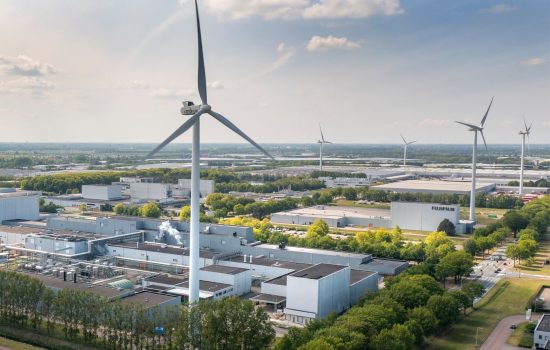
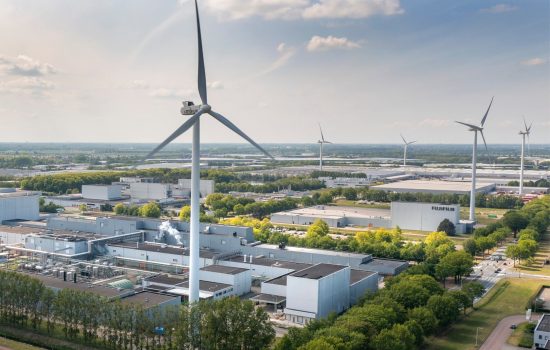
This was evident during another visit last year, when we covered the various sustainable manufacturing initiatives at its Tilburg site in the Netherlands, which is one of the most impressive facilities I’ve visited. It’s all part of an evolution that centres around a sense of purpose; one that extends well beyond commercial success. As Luana explained: “We are fully committed to people. We want to engage with customers and all of our stakeholders to create experiences that are meaningful for society, with the intention to bring more smiles to the world.”
The philosophy emerged from a fraught and dramatic period in Fujifilm’s history. As digital photography accelerated at the turn of the millennium, demand for photographic film collapsed at a pace few could have anticipated. “This was a turning point for our company,” said Luana. “At that time, photography-related business accounted for approximately 50 to 60% of our turnover. Today, photography is 17% and film is just one per cent.
“Our portfolio changed dramatically, but thanks to the vision of our management and the technology that we had cultivated during the photographic years, we were able to approach other markets.” Today, those same core technologies – including materials science, nanotechnology, image processing and precision manufacturing – support Fujifilm’s growth in healthcare, semiconductor materials and life sciences, alongside its traditional imaging business.
The reason for Luana setting the scene in this way was to demonstrate the company’s mindset. It has combined long-term thinking, technological innovation and, as Luana put it, “Our North Star”- a commitment to understanding the real-world needs of customers and society. That philosophy now extends beyond the products Fujifilm creates to the way it designs them. Across every business, from consumer imaging to medical diagnostics, the company follows a single approach known as Faithful Design.
Observe to innovate
For Fujifilm’s designers, Faithful Design is a philosophy that begins long before a product is conceived. It’s rooted in observation; assessing how people behave, understanding needs that users themselves may not articulate, and refining ideas through continual testing in real-world environments. As Sumire Kuroda, known as Sumi, User Interface Designer at Fujifilm Corporation pointed out at the event: “Today is not a product briefing, it’s about exploring Fujifilm’s design philosophy, and it consistently shapes the experiences we create across a wide range of businesses.”
She continued: “We hope you will focus not on what the product is, but why it exists and how it was shaped.” The process of Faithful Design begins by studying real people rather than imagining hypothetical users. “It involves identifying users’ unspoken, latent desires through interviews and other methods, and faithfully bringing them to life,” said Sumi. “The most important thing we do is observe the actual site – people’s behaviour in real-life situations. We translate these observations into design ideas, validate them together with users and refine them through repeated iterations.”
The process of creating a product is almost done in reverse order. Instead of working with manufacturing and engineering teams to create a product to fit a working environment, the environment informs how the product is made.
Turning philosophy into product
My assumption was that surely all manufactured products are designed with environments in mind. Is having knowledge of your customers’ work spaces and user experiences not just a part of standard customer care? Surely this is central to how products are designed, and therefore already common-place in the industry.
The difference with Faithful Design became clearer to me when given examples of products. As mentioned, Fujifilm sells into a variety of markets, and so operates across an extraordinarily diverse portfolio – from instant cameras and diagnostic imaging systems to semiconductor materials and office technologies. “The products you see today are all designed through the same Fujifilm design philosophy, applied consistently regardless of category,” said Sumi.
Two products that demonstrate Faithful Design in action are a new generation of multifunction printers (MFPs) for modern workplaces, and a lightweight mobile X-ray system developed for emergency care. This is where Masahiko Yamamoto came in, the Industrial Designer at Fujifilm Business Innovation Corp: “We asked ourselves, how will people work in the future, and what will workplaces look like?
“With that question in mind, we began our design journey by interviewing people with a variety of different work styles. Our goal was to explore how a multifunction printer fits into existing work styles and how these workplaces might change in the future.” This revealed two insights that fundamentally challenged the team’s assumptions. The first was that traditional offices are evolving. Older offices have always been designed with efficiency in mind, so printers were placed out of the way, to the side of the room, or sometimes hidden in corners or behind partitions.
Modern offices, by contrast, are increasingly open, flexible environments where employees are encouraged to move freely and collaborate. The second finding came about through proper examination of the existing product. Modern multifunction printers are intelligent devices, connected to cloud services and digital solutions.
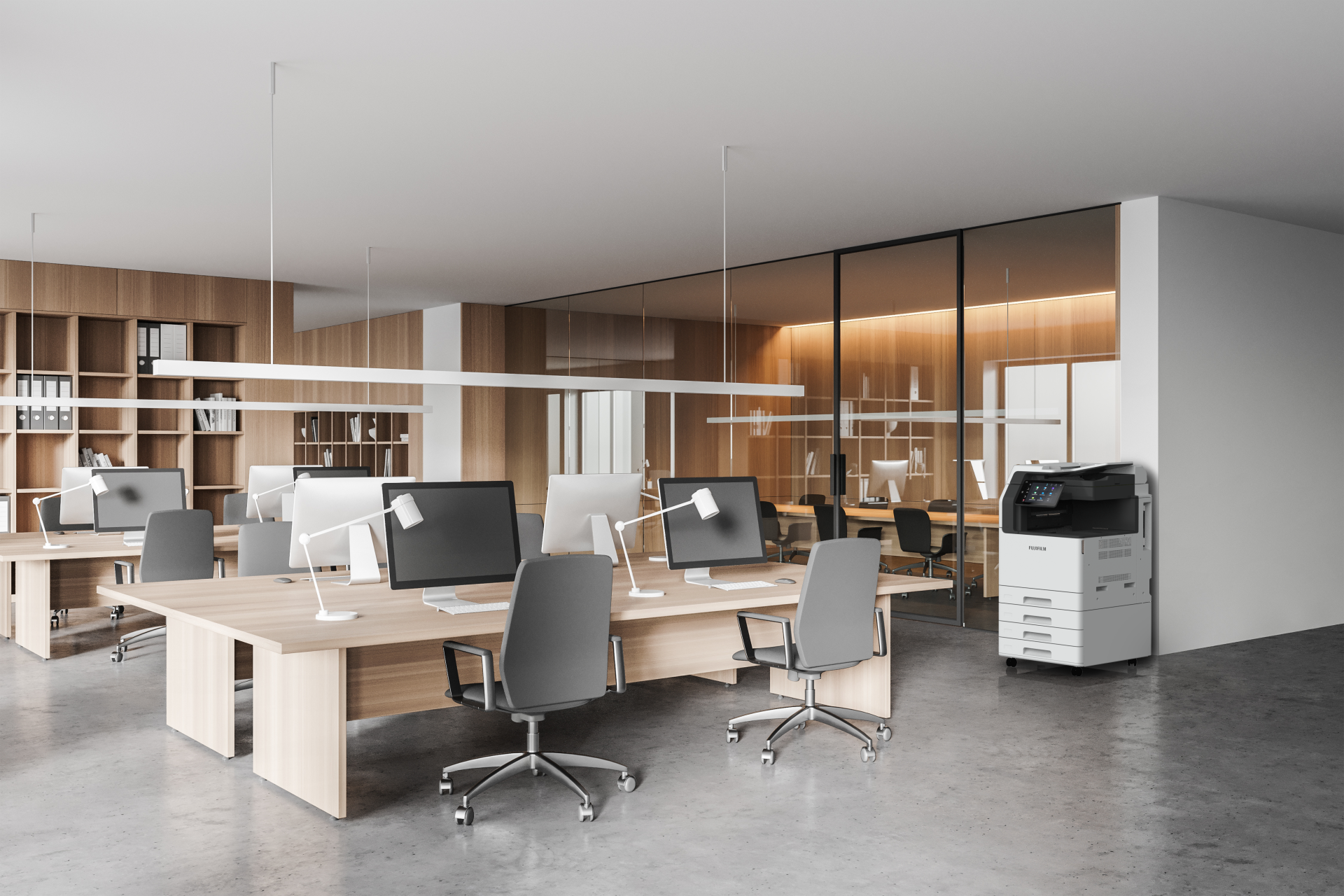
Apeos Multifunction Printer in an office
“We had to rethink the very role of the MFP,” said Masa. “It shouldn’t just be a device for copying, scanning and printing. It should become an intelligent partner for people at work.” From there came a redefining of the product’s design concept. The printer was no longer seen as a machine, but an assistant. Rather than beginning with technical specifications, the designers considered the emotional reaction users were having when they first encountered an office printer.
“We realised that what shapes people’s impression the most is its silhouette,” said Masa. “So, we tried to simplify the traditional form as much as possible. We wanted to create a silhouette that conveys clarity, intelligence and progressiveness.” The solution was a distinctive sloping front surface that visually unifies the scanner and printer into a single form while naturally guiding users towards the controls.
Frequently used elements, including the scanner handle, card reader and control panel, were consolidated into one intuitive operating area, while colour was carefully employed to highlight points of interaction. Masa explained further: “Our design considerations were not limited to the exterior. We paid equal attention to the inner details of the machine. The yellow knobs and handles were selected after careful consideration of human colour vision, dimly lit environments and different lighting conditions. We conducted usability tests many times to refine the user experience. It helps users quickly understand where to interact and what steps to take with just a glance.”
Every design decision had to justify its existence by making the product easier to understand and simpler to use. This goes some way beyond standard customer care that I mentioned earlier. In this case, the design philosophy completely redefined the product. The printers have been observed in their offices environments, Fujifilm’s designers have assessed their actual uses and capabilities, and now the products are designed and manufactured to a new specification.
Mobile X-ray
If the printer demonstrated how Faithful Design could improve everyday office life, the second case study illustrated how the same philosophy could ultimately save lives. The story of the FDR Nano mobile X-ray system began inside a US emergency department, where Fujifilm’s designers accompanied engineers to observe clinicians at work. Again, the process began in the environment where the product is being deployed.
The team were taken aback by the sight of medical teams surrounding critically ill patients while attempting to manoeuvre large mobile X-ray systems through already crowded treatment spaces. The equipment frequently collided with staff and other devices, delaying examinations during situations where every second mattered. “For a long time, this situation had simply been accepted as normal,” said Sumi.
“But by witnessing it first-hand, we began to rethink the design of medical equipment, starting with how it should function in real emergency environments.” Rather than immediately searching for technical solutions, the team returned to observation. “Our goal was not simply to reduce size or weight,” continued Sumi.
“We started by carefully observing real emergency environments – how doctors and technologists move, and how equipment is handled. These observations were tested and discussed repeatedly, allowing the design to evolve step-by-step.” The result was a complete rethink of the system. Advances in detector technology allowed Fujifilm to maintain image quality while dramatically reducing radiation dose.
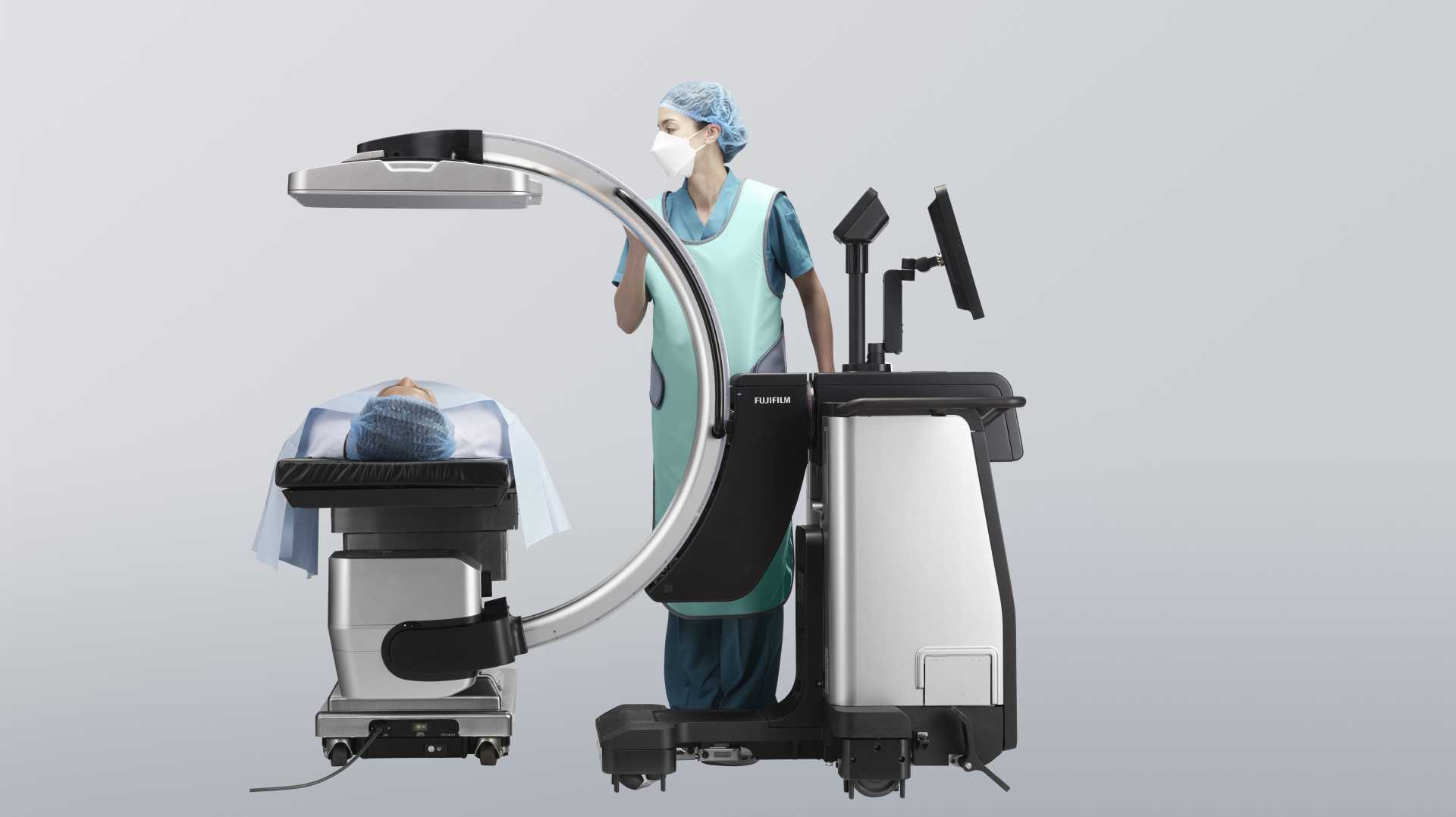
The reduction in overall weight of the X-rays came through redesigned generators and batteries within the machine. “By reducing the weight from around 500kg to only 90kg, we achieved a breakthrough in lightweight design,” said Sumi. “This enabled the system to accelerate and stop instantly, move straight or diagonally and rotate on the spot. These were capabilities that simply didn’t exist in conventional mobile X-ray systems.”
The redesign went far beyond mobility alone. The detector and image monitor were repositioned to streamline examinations, while a rotating arm allowed clinicians to view images more naturally during procedures, reshaping the entire workflow rather than simply improving the machine itself. This distinction is fundamental to Faithful Design. The objective is never to create a more attractive product, but to observe how people work, identify frustrations that have become accepted as inevitable, and redesign the experience around real human behaviour.
Whether designing an office printer or a medical imaging system, Fujifilm begins from the same place; understanding the context in which people live and work, uncovering needs that often go unspoken, and refining solutions until they feel intuitive enough to disappear into everyday use.
Designing the designers
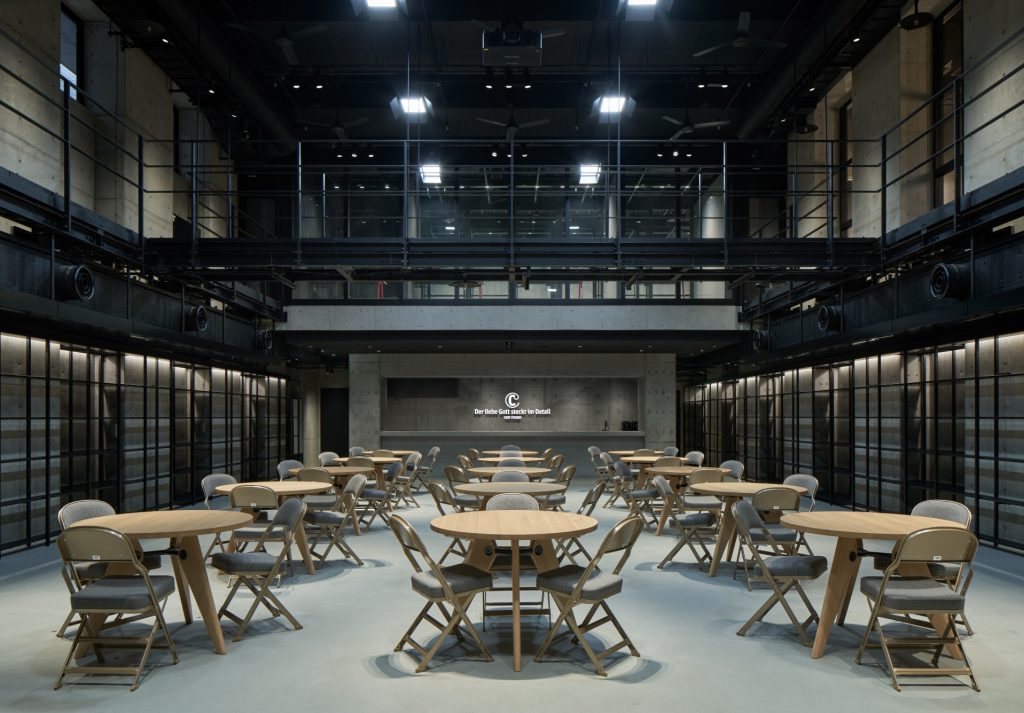
Rather than seeing design as a department, Fujifilm positions it as something that shapes every aspect of the business. This is demonstrated by The Design Centre, that has been based in an independent design studio since 2017. To further inspire designers and encourage creative leaps, the CLAYSTUDIO, the company’s current design hub, was opened in Tokyo, in May 2023.
The space has been created for designers to collaborate not only with colleagues across Fujifilm’s businesses, but also with artists, musicians, craftspeople and researchers from outside the company. “By engaging with forms of creativity beyond design, we gain new perspectives that rarely emerge from our routine work,” said Sumi. “These shared experiences are essential for building stronger engagement among our designers.”
Since establishing dedicated design studios in 2017, the company has seen a steady increase in international recognition, consistently collecting between 80 and 90 major design awards each year across competitions including the iF Design Award, Red Dot and Japan’s Good Design Awards. Although, it is also true that Fujifilm measures the true success of its centre in its designers, and whether they’ve truly understood the people they’re designing for.
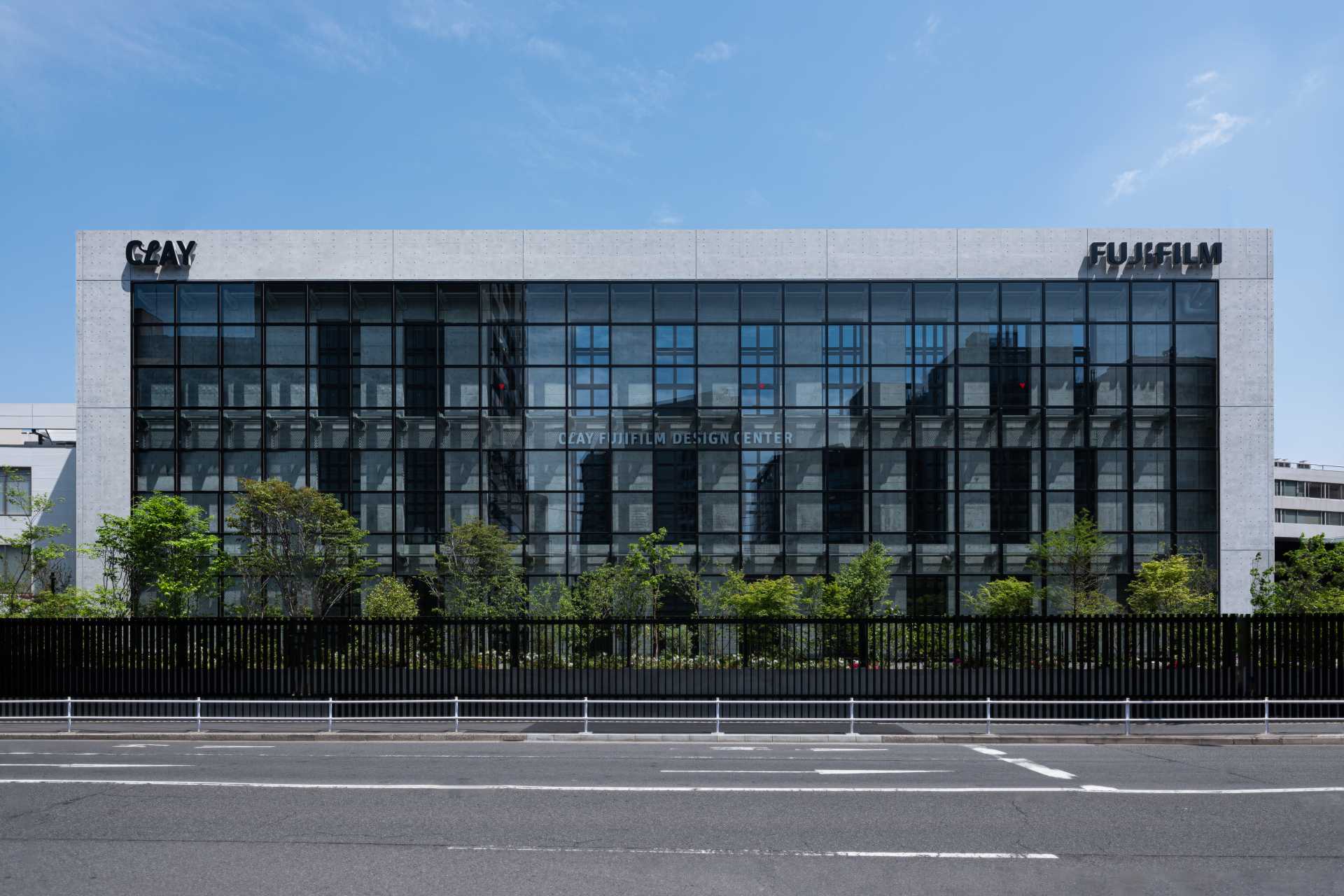
CLAYSTUDIO in Tokyo
A new way to design
It was a genuinely fascinating window into how product design can inform everything; not only from the perspective of designing the most optimal application, that almost comes as an inevitable by-product of the approach. Faithful Design is a truly people-centric approach. To hear it explained merely in presentations makes it sound quite abstract and hard to fully conceptualise. But hearing examples brings the idea fully to life.
Which is fitting because examples and real-world exposure is at the core of the philosophy. Fujifilm’s designers and engineers wouldn’t have noticed and understood the struggle of moving critically ill patients to a radiology suite if they hadn’t been in the room. In the case of the multifunctional printers, many designers in that field would instinctively come up with something that looks better, smarter or more in-keeping with office aesthetics. But if Fujifilm hadn’t assessed the users emotional reaction to the product they wouldn’t have noticed the significance of its shape, and how much that appeared to resonate with people.
This felt like a uniquely Fujifilm philosophy, but its focus on people’s reactions, experiences and unspoken needs makes it a potentially attractive approach for any company claiming to be truly customer-driven. It’s centred entirely around observation and understanding, and only once those steps are made can product innovation truly begin.