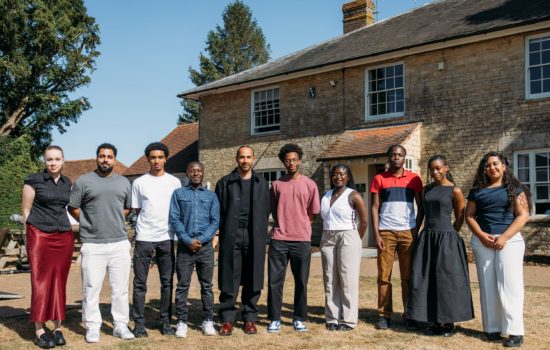


The Royal Academy of Engineering has named four outstanding winners of its 2025 Engineers Trust Young Engineer of the Year competition, celebrating pioneering work that ranges from improving safety in tall buildings to scaling up access to non-electric washing machines.
Each recipient will receive a £3,000 prize in recognition of their achievements, with the awards to be formally presented at the Academy’s annual general meeting on 23 September. The competition is supported by the Worshipful Company of Engineers.
Recognising innovation and impact
This year’s winners are:
-
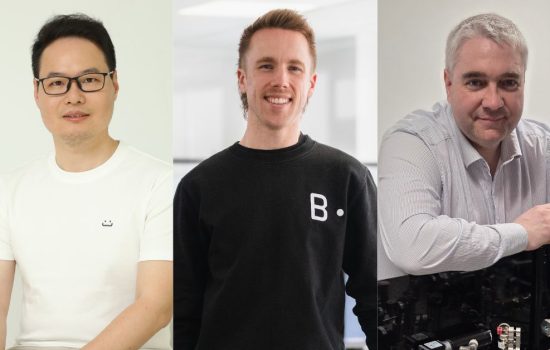
Jack Biltcliffe, R&D Lead at The Washing Machine Project
-
Andrei Feraru, Founder and CEO of Feraru Dynamics Ltd
-
Miguel Martinez Paneda, Principal Structural Engineer at Arup
-
Dr Calvin Tsay, Associate Professor in the Department of Computing at Imperial College London
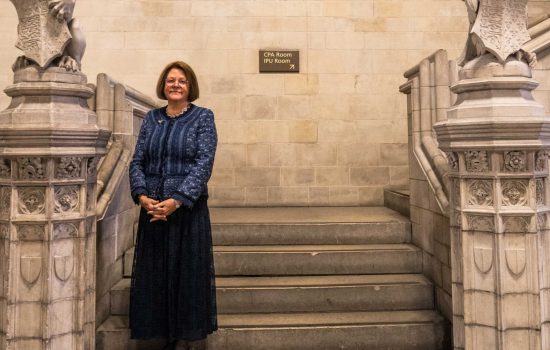
Luke Logan FREng, Chair of the Academy’s Awards Committee, praised the recipients, saying their work demonstrated the powerful role of engineering in addressing societal and environmental challenges while inspiring the next generation of innovators.
Tackling global challenges
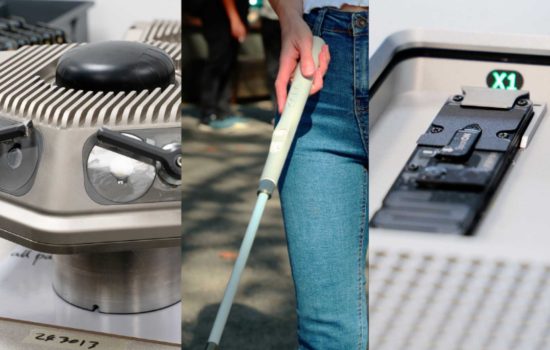
Biltcliffe has played a central role in scaling up The Washing Machine Project, which manufactures hand-cranked washing machines for the 60% of the global population without reliable access to electricity. Having worked previously at Dyson and Elvie, he now leads a team of engineers developing the next generation of machines, designed for mass production and wider global deployment.
Feraru developed wearable technology that protects workers from dangerous vibration exposure, a leading cause of Hand-Arm Vibration Syndrome (HAVS). The idea emerged during a placement at Rolls-Royce Aerospace and has since grown into Feraru Dynamics, a company with patents in the UK, USA, Canada and Europe, backed by £1m in private equity. His devices have already safeguarded nearly 1,000 workers worldwide.
Martinez Paneda, an expert in earthquake and wind engineering, has contributed to the design of iconic tall buildings including the BDO Unibank HQ in Manila, MOL Campus HQ in Budapest and the China Merchants Bank Tower in Shenzhen. His research, developed in collaboration with Imperial College London, has produced an innovative damping system that uses a building’s own mass to improve safety and resilience—an approach now awaiting patent approval.
Tsay, a leading interdisciplinary researcher at Imperial College London, focuses on optimisation and machine learning for energy systems. His group has created industrially relevant tools such as OMLT, an award-winning open-source software platform, and has advanced methods for designing green hydrogen systems. Alongside his academic contributions—50 peer-reviewed publications—he also plays an active role in outreach, supporting initiatives such as Girls Who ML and the Great Exhibition Road Festival.
For more articles like this, visit our People & Skills channel