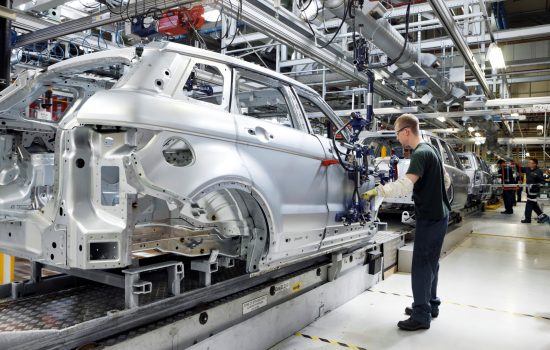

China-headquartered Chery Automobile is in early-stage talks over a potential agreement to manufacture vehicles at Jaguar Land Rover (JLR) plants in the UK, according to reports, a move that could provide a boost to domestic automotive output while strengthening the Chinese carmaker’s growing presence in the British market.
The discussions come as UK prime minister Keir Starmer visits Beijing to deepen trade ties between the UK and China, with automotive manufacturing understood to be a key topic on the agenda. While no deal has been finalised, UK and Chinese sources suggest that Jaguar Land Rover’s factories are being considered as a possible production base for Chery models if spare capacity is available.
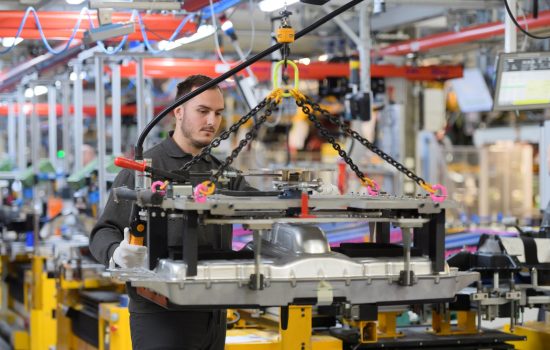
For Jaguar Land Rover, such an arrangement could help offset a difficult 2025, when a major cyber attack shut down production for more than five weeks and contributed to significant financial losses. Utilising unused capacity could improve plant productivity, generate additional revenue and help safeguard jobs, particularly as the company prepares for the launch of new electric vehicles.
Chery already has an established relationship with JLR, having formed the Chery Jaguar Land Rover joint venture in China in 2012 to produce JLR models for the local market. China remains one of JLR’s most important regions, with the Freelander brand recently licensed to Chery for the development of battery electric vehicles based on Chery platforms.
Any UK manufacturing move would also align with government ambitions to raise domestic vehicle output to 1.3 million units a year by 2035. The Society of Motor Manufacturers and Traders estimates that UK vehicle production fell by 15.5% in 2025, highlighting the scale of the challenge facing policymakers.
Chery has made rapid progress in the UK market since its debut in 2025, with its Omoda and Jaecoo brands among the fastest-growing Chinese entrants. The company sold more than 5,500 vehicles in Britain last year, already outperforming several established marques, and volumes are expected to rise further in 2026.
However, challenges remain. Chery executives have previously pointed to high UK energy and labour costs as potential barriers to local manufacturing. Both UK and Chinese sources stress that discussions are still exploratory, with no timetable or contractual agreement announced.
If realised, the deal would place the UK alongside Spain and South Africa, where Chery has already secured manufacturing assets, and underline the increasing role of Chinese carmakers in filling unused European production capacity.
For more articles like this, visit our Leadership channel