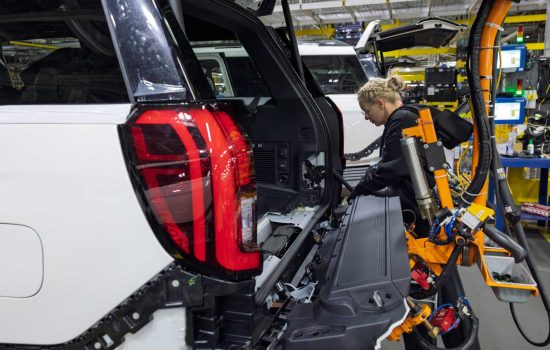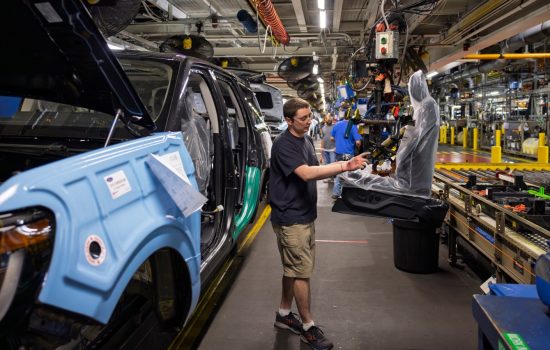


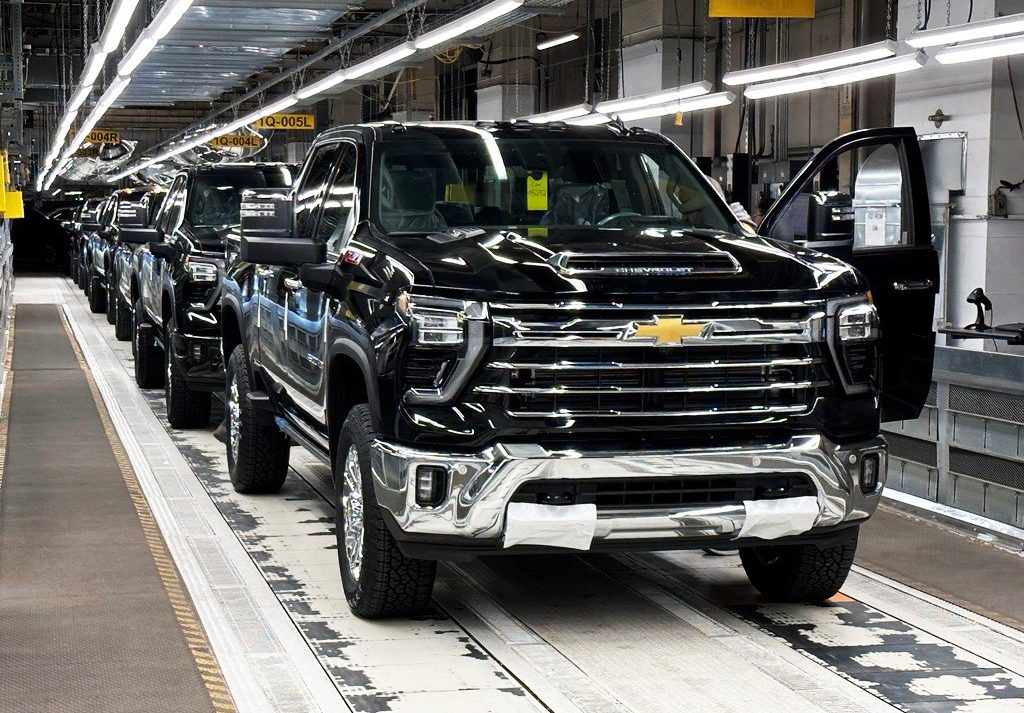
General Motors is ramping up heavy-duty truck production at its Flint, Michigan assembly plant, adding a sixth working day from June as sustained demand for high-margin pickups continues to outpace broader market uncertainty.
The decision signals a growing recalibration across Detroit, where automakers are increasingly leaning on internal combustion engine (ICE) vehicles to protect margins while the pace of electrification proves more uneven than anticipated.
At Flint, the additional shift is expected to lift annual output by as many as 50,000 units, on top of an existing production base of roughly 260,000 vehicles. The plant produces Chevrolet Silverado and GMC Sierra heavy-duty models—among the most profitable vehicles in GM’s portfolio—and already operates three shifts across five days.
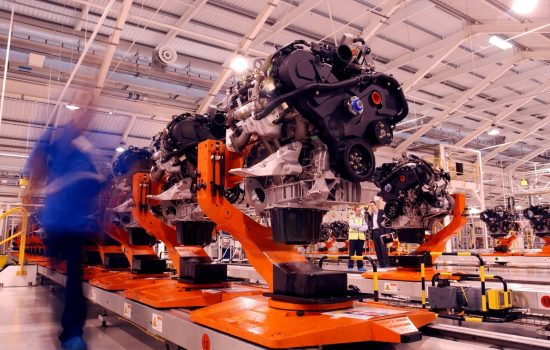
Reinforcing that strategy, GM has also announced a further $150m investment in its Saginaw Metal Casting Operations in Michigan to support production of the sixth generation of its V-8 engine blocks and cylinder heads. The components will be used in full-size pickup trucks, anchoring the next phase of ICE development even as the company continues to invest in electrification.
The move builds on approximately $5.5bn in U.S. manufacturing investments made by GM in 2025 and follows an earlier commitment of $500m to its Flint Engine plant to support next-generation V-8 production.
“This significant investment of over $150m is a clear commitment to the plant and our people,” said John Lancaster, plant director. “By enabling the production of next-generation engine blocks and cylinder heads for full-size trucks, the plant is well-positioned for the future.”
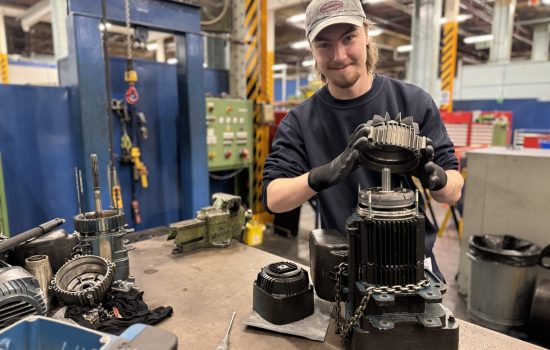
The Saginaw facility, one of GM’s longest-running U.S. sites, will continue producing current-generation V-8 components while preparing to begin production of the next-generation engines in 2027. The investment will fund new equipment and tooling, while helping to secure jobs at the site.
The broader backdrop remains complex. Despite elevated fuel costs and macroeconomic pressure, demand for large pickups has held firm, underlining their role as a financial anchor for U.S. automakers. Premium pricing—often exceeding $50,000—continues to make the segment a critical profit driver.
GM’s decision to expand domestic output rather than increase capacity at its Canadian operations also reflects a more cautious approach to cross-border manufacturing, as automakers navigate evolving tariff structures and political uncertainty around trade.
The production increase will rely on additional overtime for the plant’s workforce, reinforcing the continued importance of traditional manufacturing jobs tied to ICE platforms—even as companies maintain long-term electrification targets.
Ford Motor Company is making similar adjustments, reportedly scaling back typical summer downtime at several truck plants to prioritize output following earlier supply chain disruptions.
Together, the moves highlight a broader shift in North American manufacturing strategy: rather than a clean break toward electrification, automakers are pursuing a dual-track approach, investing in EVs while maximizing returns from established ICE products that continue to deliver reliable demand and strong profitability.
Interested in receiving the latest North American manufacturing news in your inbox each week?
Sign up to The Manufacturer Digital Briefing – North American Edition