
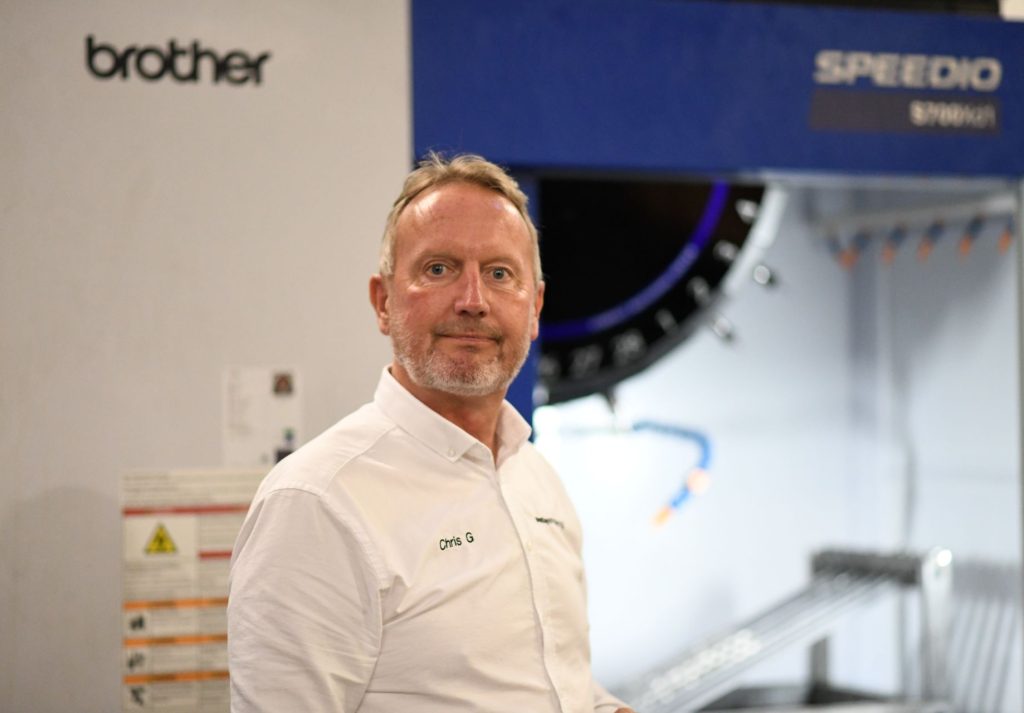
In his latest monthly blog post for The Manufacturer, Westley Engineering’s Christopher Greenough argues that digital transformation for SMEs should be driven by solving practical business problems, starting small, improving processes and empowering employees rather than investing in technology for technology’s sake.
Digital transformation is one of those phrases that gets used everywhere at the moment.
- Industry 4.0
- AI
- Automation
- Smart factories
- Machine connectivity
- Digital twins
- Paperless manufacturing
For an SME manufacturer, it can quickly start to sound expensive, complicated and, frankly, a little overwhelming.
But I think we’re in danger of making digital transformation far more complicated than it needs to be.
For me, digital transformation isn’t really about technology.
It’s about solving problems.
Don’t digitise a bad process
I’ve spent nearly 30 years in manufacturing, and one lesson I’ve learned is that putting a computer in front of a poor process doesn’t suddenly make it a good process. If anything, you can simply end up doing the wrong thing faster.
Before investing in software, dashboards or automation, we need to ask some fairly basic questions.
- Why are we collecting this information?
- Who actually uses it?
- Why are we entering the same information twice?
- Why does an operator have to walk across the factory to complete a piece of paperwork?
- Why do we only discover a machine has been down for two hours at the following morning’s production meeting?
- And why are we spending hours building spreadsheets to tell us what happened last week when what we really need to know is what’s happening right now?
Those are the questions that should drive digital transformation.
Not the technology.
Start small and prove the value
I think one of the mistakes SMEs can make is believing digital transformation has to be one enormous project.
It doesn’t.
You don’t need to transform the whole factory overnight.
Pick a problem.
Digitise one process.
Measure the improvement.
Then move onto the next one.
It might start with replacing a paper production sheet with a tablet.
It could be recording downtime properly so you finally understand why machines aren’t running.
It could be capturing quality issues digitally so trends become visible.
It might be giving operators a simple way to report maintenance, health and safety or quality problems without filling in another form.
None of those things sound particularly revolutionary.
But connect enough of them together and something important starts to happen.
You begin creating a genuinely data-driven business.
Good data changes conversations
This, for me, is where digital transformation becomes really powerful.
Manufacturing businesses generate huge amounts of information every day.
- Machine hours
- Downtime
- Scrap
- Quality issues
- Production quantities
- Maintenance
- Labour
- Delivery performance
But in many SMEs, that information still sits across paper, spreadsheets and different systems that don’t talk to each other. Once that information becomes connected and visible, management conversations start to change.
Instead of saying: “I think that machine causes us problems.”
You can say: “That machine lost 37 production hours last month, and here are the five reasons why.”
That’s a very different conversation. And more importantly, you can do something about it.
People have to come on the journey
There’s another side to digital transformation that I don’t think gets talked about enough. People.
You can install the best system in the world, but if the people using it don’t understand why you’re doing it, it won’t deliver what you expect.
Operators need to see that collecting data isn’t about watching them.
It’s about removing frustration.
Making their jobs easier.
Reducing paperwork.
Fixing recurring problems.
Giving them better information.
And helping the business make better decisions.
That means involving the people actually doing the job when you’re designing the process.
As I’ve mentioned in my previous blogs (see links at bottom of this article), the people closest to manufacturing often know where the biggest opportunities for improvement are.
Digital transformation shouldn’t be something that’s done to them. It should be something that’s built with them.
SMEs actually have an advantage
It’s easy to assume that larger manufacturers have an advantage because they have bigger IT departments and larger investment budgets. But SMEs have something incredibly valuable. Speed.
We can make decisions quickly.
We can test ideas.
We can change processes without spending six months getting approval from ten different departments.
And increasingly, modern digital tools mean you don’t always need huge capital budgets to begin.
What you do need is a clear idea of the problem you’re trying to solve.
The smart factory doesn’t happen overnight
I don’t believe there is a point where you suddenly become a “digital factory.”
It’s a journey.
One process becomes digital.
Then another.
Systems begin talking to each other.
Data becomes more reliable.
Dashboards become meaningful.
Decisions become quicker.
And eventually technologies such as automation and AI become far more valuable because they’re working from good information.
But the starting point is much simpler.
Find the problem that’s costing your business time, money or capacity and fix it.
Then find the next one.
Because for SMEs, digital transformation doesn’t have to start with a million-pound technology project.
Sometimes it starts with replacing a clipboard.
My question this month: What is the one process in your business that you would digitise tomorrow if you could?
About the author
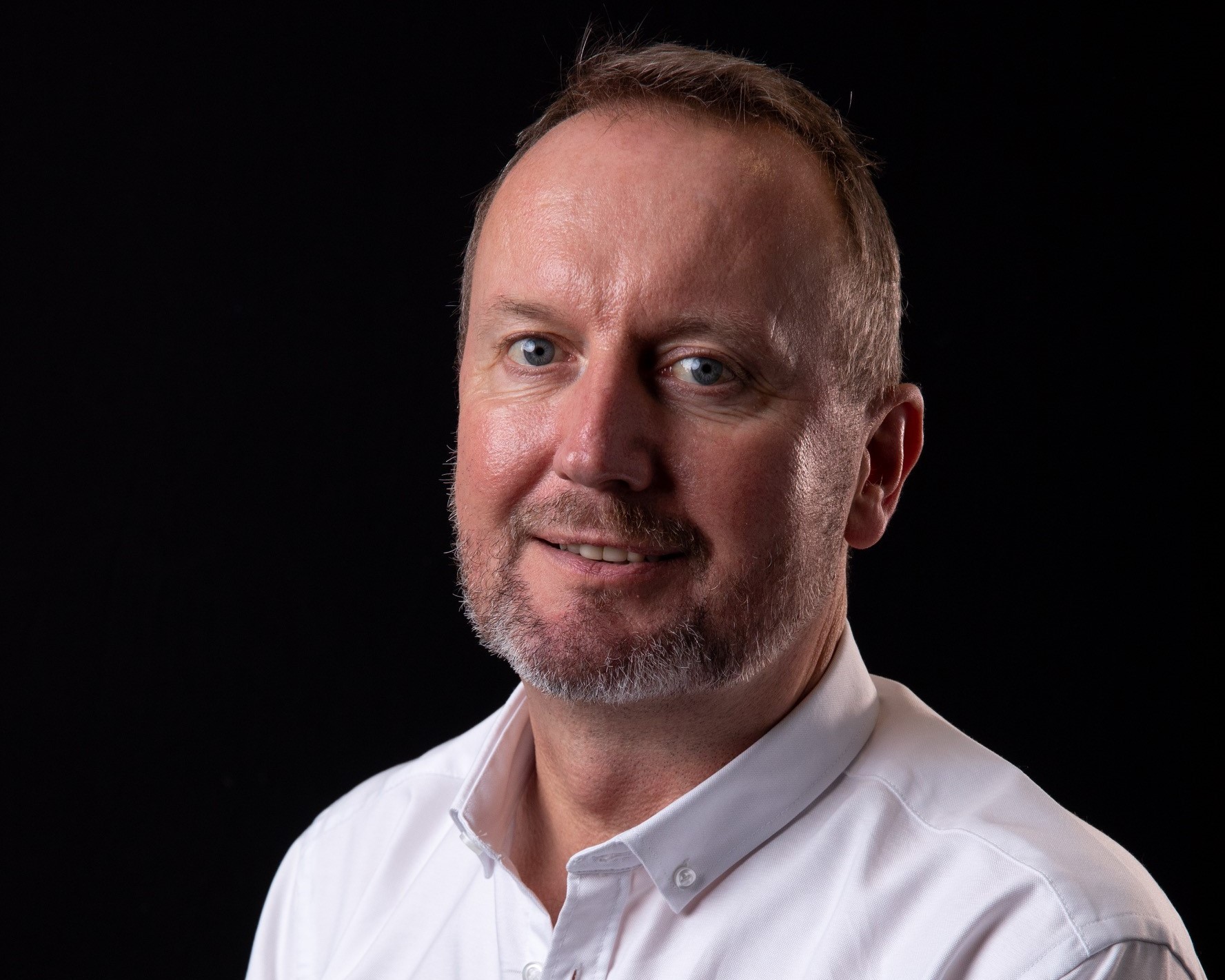 Christopher Greenough is Managing Director of Westley Engineering, bringing more than 30 years of leadership experience across the UK manufacturing sector. Passionate about engineering, innovation and developing people, he is committed to helping British manufacturers grow through investment in technology, skills and collaboration.
A recognised advocate for UK manufacturing, Chris is widely known for connecting businesses, championing SMEs and promoting stronger supply chains across industry. Through his industry engagement, public speaking and the SME Focus webcast, he works to raise the profile of manufacturing while encouraging the next generation to pursue careers in engineering.
Chris has received national recognition, including The Manufacturer Top 100 and the Regional Leadership Award, reflecting his contribution to manufacturing and business leadership. His focus remains on building resilient businesses, creating opportunities for people and ensuring UK manufacturing continues to thrive in an increasingly competitive global marketplace.
For more articles like this, visit our Digitalisation channel