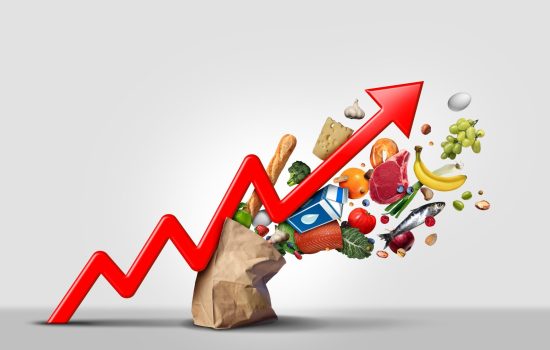

Food inflation remained unchanged at 1.3% in August, with manufacturers continuing to absorb rising input costs despite forecasts of further price increases.
With food and non-alcoholic drink inflation remaining steady, food manufacturers continue to find efficiencies and absorb rising costs in an effort to limit the impact on shoppers.
The latest figures show that food and non-alcoholic drink prices increased by 1.3% in the 12 months to August 2026, unchanged from July. On a monthly basis, prices increased by 0.4%.
However, the Food and Drink Federation (FDF) has warned that the stable headline figure masks continued pressure across the food supply chain, with manufacturers facing higher costs linked to geopolitical instability, extreme weather and changing global commodity markets.
We reported last week that inflation is expected to reach almost four per cent by the end of 2026, before rising further next year, according to the latest Food Inflation Forecast from the FDF.
Dr Liliana Danila, Chief Economist at the FDF, said the industry was “straining to find further efficiencies and keep costs as low as possible for shoppers”.
“However, the cost pressures caused by war in Iran, droughts across the UK and Europe, and El Niño are still very real challenges for food and drink manufacturers,” she said.
“We expect these to filter through into prices in shops.”
Pressure building across the supply chain
The latest figures show that inflation is being felt unevenly across different food categories.
Fish recorded the largest annual increase, with prices rising 11.8%, followed by water at 8.9%, preserved fruit at 7.7% and pasta at 7.2%.
At the same time, prices fell across 15 categories. Butter saw the largest decline, falling seven per cent, while fruit and vegetable juices dropped 4.1%, pizza fell 3.9% and jams and marmalades decreased by 3.5%.
While these movements provide some relief in individual categories, the FDF is warning that manufacturers remain exposed to a range of cost pressures that could feed into prices over the coming months.
The organisation forecasts that food inflation will reach 3.9% by December 2026 before peaking at 6.4% in July 2027.
That outlook puts further pressure on manufacturers to manage costs while maintaining production, employment and investment across the sector.
Calls for targeted support
The FDF is calling on government to take action to reduce some of the costs facing food and drink manufacturers, particularly through targeted support for energy-intensive businesses.
Dr Danila said the government could play a role in limiting future increases in household food bills by providing “rapid and targeted energy support” to manufacturers.
“Food and drink is an essential that households can’t go without,” she said. “If the government is serious about tackling the cost-of-living, this sector needs to be a priority.”
For manufacturers, the challenge is therefore not simply the current inflation rate, but how long businesses can continue absorbing rising costs before they are passed further down the supply chain.
The latest 1.3% figure suggests that, for now, manufacturers are continuing to act as a buffer between higher production costs and consumers. However, with the FDF forecasting a significantly higher rate of food inflation over the next year, that buffer could come under increasing pressure.
For more stories like this visit our Leadership section