
JCB is stepping up investment in its manufacturing operations in Britain and the US, with a £100m transformation of its Staffordshire headquarters and the opening of a $1bn factory in Texas.
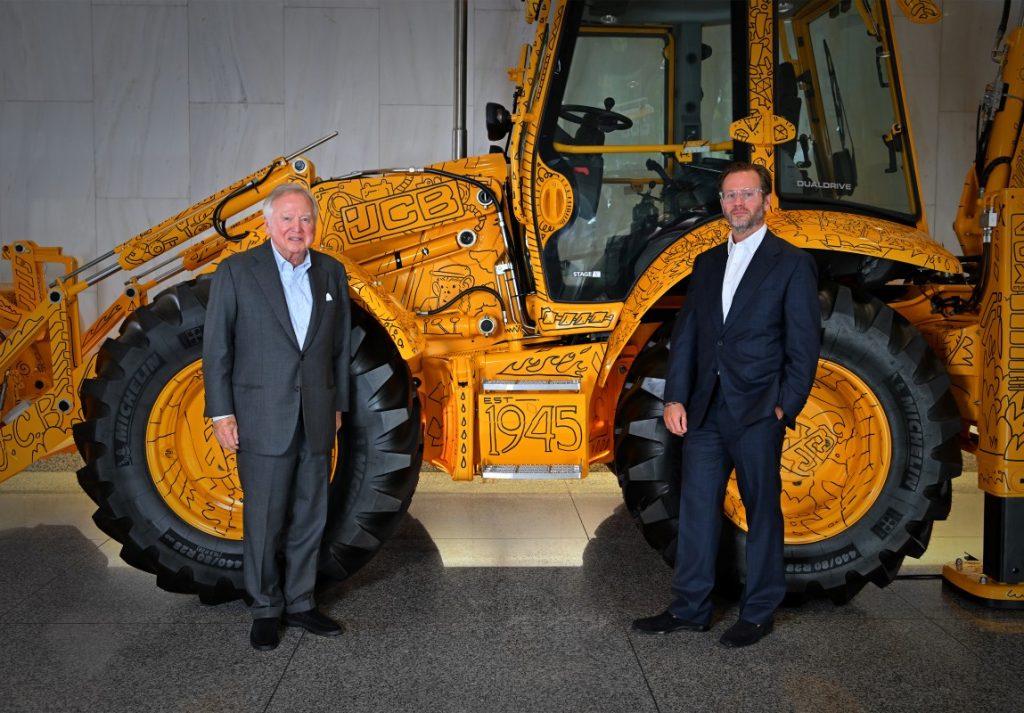
The investments come as the British construction equipment manufacturer looks to position itself for its next phase of growth, following a resilient performance in 2025 and the appointment of George Bamford as Joint Chairman alongside his father, Lord Bamford.
The leadership change marks the first change at the top of JCB in more than 50 years. The family-owned business now operates 23 factories and employs more than 20,000 people worldwide.
JCB reported sales turnover of £5.7bn for 2025, alongside profit before tax of £642m and machine sales of 113,498 units. Despite challenging market conditions, the company said it increased its global market share while remaining debt-free.
Transforming JCB’s Staffordshire manufacturing base
At the centre of its UK investment programme is a £100m transformation of JCB’s World Headquarters in Staffordshire, which has been the company’s home since 1950. The programme includes a £60m fully automated powder paint plant alongside a comprehensive modernisation of the site’s shop floor.
JCB said the investment will help secure the future of more than 8,000 UK jobs while significantly upgrading manufacturing capabilities at its historic headquarters in Rocester. The company was founded in 1945 by Joseph Cyril Bamford, who moved production into a former cheese factory in Rocester five years later.
The investment in Staffordshire comes alongside continued development of JCB’s UK manufacturing footprint, including the production of the company’s hydrogen combustion engines at its Foston facility in Derbyshire.
$1bn Texas factory to create 1,500 jobs
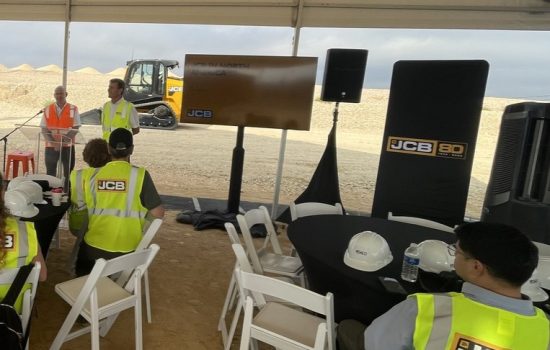
JCB is also expanding its manufacturing capacity in the US, with its new factory in San Antonio, Texas, due to open next month. The one-million-square-foot facility will be JCB’s largest factory anywhere in the world and represents an investment of $1bn.
The site will manufacture Loadall telescopic handlers and access equipment for the North American market, which JCB describes as the world’s largest construction equipment market. The company expects the facility to create 1,500 jobs over the next five years.
The investment comes despite JCB reporting flat demand in North America during 2025. Globally, machine sales fell by around 5%, although a more favourable market and product mix meant turnover remained broadly stable.
Hydrogen technology reaches production
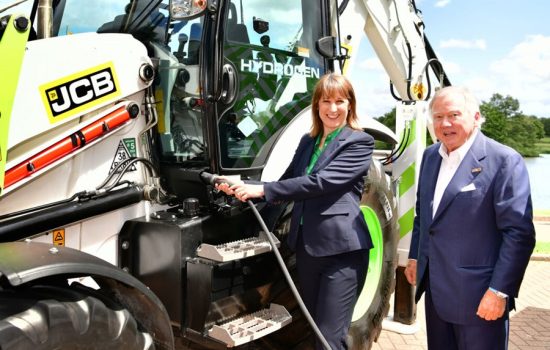
Alongside its manufacturing expansion, JCB is continuing to invest heavily in alternative powertrain technology. The company has committed £100m to developing hydrogen combustion technology and says it has become the first construction equipment manufacturer to bring a fully approved hydrogen-fuelled combustion engine to market.
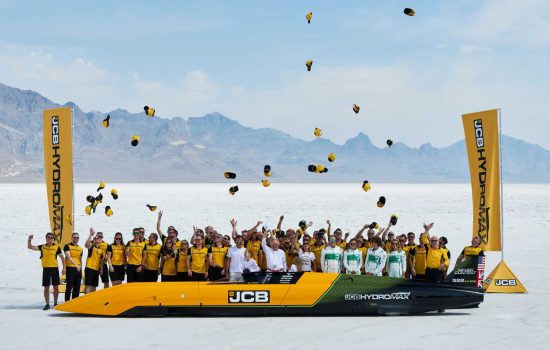
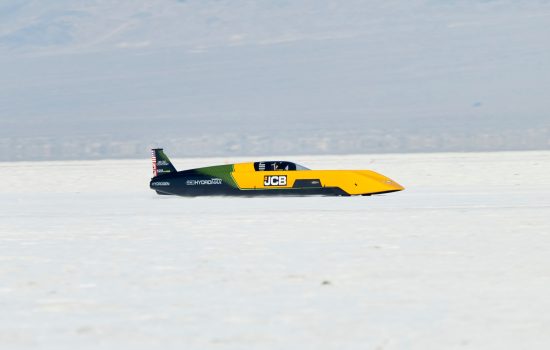
The technology recently delivered a major demonstration of its potential when JCB’s Hydromax vehicle reached 406.320mph (653.909km/h) at the Bonneville Salt Flats in Utah. Driven by Wing Commander Andy Green OBE, the vehicle became the fastest hydrogen-powered vehicle ever recorded, more than doubling the previous hydrogen combustion record.
Hydromax was powered by two production-based hydrogen engines manufactured at JCB’s Foston factory and went from concept to world record in 18 months. The record also surpassed JCB’s own Dieselmax land speed record, which was set 20 years ago.
Focus on engineering skills
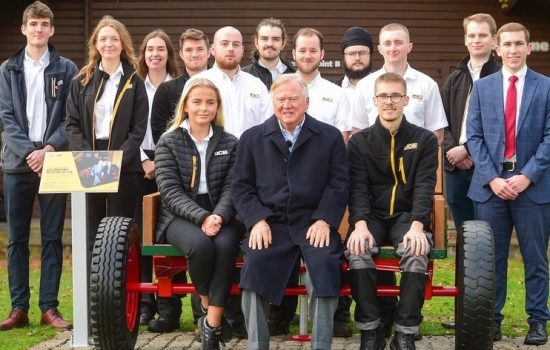
JCB’s investment programme extends beyond factories and technology, with the company continuing to develop its engineering talent pipeline through the JCB Academy.
The academy received 708 applications for 314 places this year, while 116 new apprentices, undergraduates and graduates joined JCB after being selected from more than 6,300 applicants. Since opening in 2010, the JCB Academy has educated around 3,750 young people and reports a 100% record of leavers progressing into employment or further education.
Lord Bamford said the combination of investment in manufacturing, hydrogen technology and the new Texas factory would position JCB for its next phase of development.
Last year JCB celebrated its 80th birthday and, as we look ahead, we are investing heavily in the future of the business – from the transformation of our Staffordshire headquarters and pioneering hydrogen technology, to our new factory in Texas.
As part of that next chapter, I’m delighted that my son George will become Joint Chairman of JCB.
Lord Bamford, Joint Chairman of JCB
George Bamford added that while JCB had expanded globally, Britain remained at the heart of the company’s operations.
“From the day my grandfather founded JCB in 1945, innovation and investment in Great Britain has been at the heart of everything we do,” he said.
“While JCB has expanded globally over the years, our home has always been here, and the record investment we are making in our facilities and in new products is good news for Britain and good news for JCB.”
JCB CEO Graeme Macdonald said the company expects moderate growth in 2026 despite continued geopolitical uncertainty, with the new manufacturing capacity in Texas and Staffordshire positioning the business to respond to improving demand.
For more articles like this, visit our Leadership channel