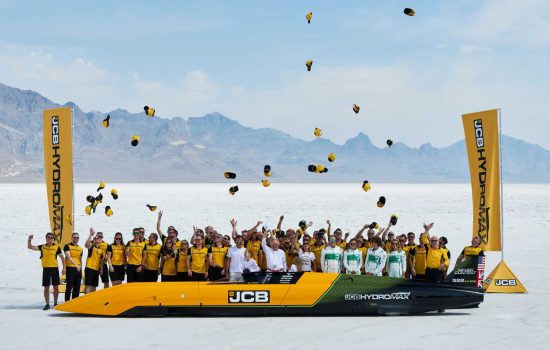

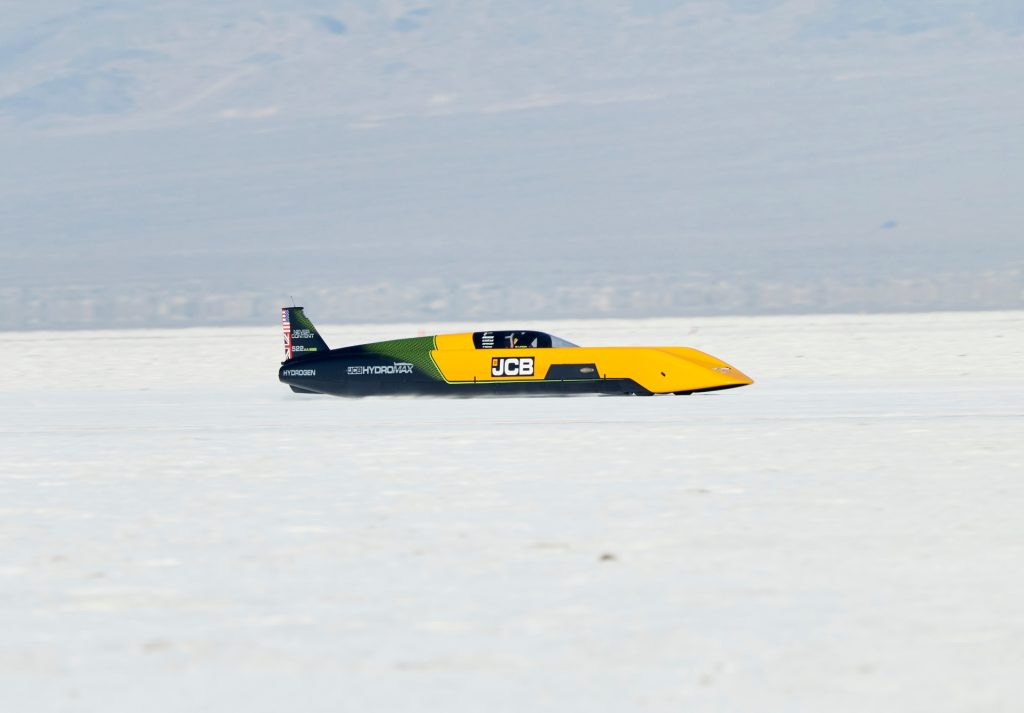
British engineering giant JCB has set a new world land speed record of 406.320mph (653.908km/h) with its hydrogen-powered JCB Hydromax. The car recorded the average speed 400.623mph (644.740km/h) in its first run on the morning of 11 August across the Bonneville Salt Flats, and 412.135mph (663.266km/h) on its second run, giving the average of 406.320mph – the fastest a hydrogen internal combustion car has ever travelled.
Driven by Wing Commander Andy Green OBE, the twin engined, 32-foot car completed the two runs required under FIA rules – one in each direction within an hour – comfortably beating the previous FIA-officiated hydrogen internal combustion benchmark of 185.5mph set by the BMW H2R in 2004. The record is subject to official ratification by the Fédération Internationale de l’Automobile (FIA), the global governing body for motorsport.
In doing so, JCB Hydromax surpassed the 350.092mph (563.4184km/h) world diesel land speed record set by JCB Dieselmax — with the same driver, on the same salt, in August 2006. Twenty years on, JCB has beaten its own benchmark with an engine that produces no CO₂ at the tailpipe.
Watch our video of JCB Hydromax during testing week at RAF Wittering
The speed also exceeds the 303mph (487.631km/h) hydrogen fuel cell mark, making JCB Hydromax the fastest hydrogen-powered vehicle of any kind in history.
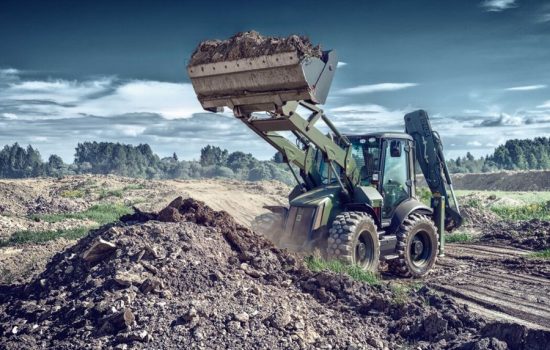
The record, set in the Category A, Group XIV – Class 7 FIA World Flying Record Start Land Speed Record, was set using two of JCB’s own production-based hydrogen digger engines, producing a combined 1,600bhp and manufactured at the company’s engine factory in Foston, Derbyshire. They are the same engines now powering JCB machines and equipment rolling off production lines in the UK as part of the company’s £100m hydrogen programme.
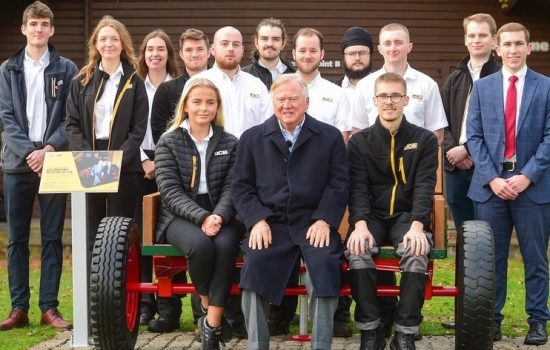
JCB Chairman Anthony Bamford has led JCB’s hydrogen engine project and came up with the idea of a hydrogen world land speed record bid early last year. Lord Bamford said: “Twenty years ago we came to Bonneville with JCB Dieselmax and showed what British engineering could do with diesel power. Today we have done it again — this time with engines powered by hydrogen. This record was set by production-based engines, the same engines powering JCB diggers right now. That is the point of JCB Hydromax: it shows hydrogen works, and it works today at the highest level with zero emissions.”
Andy Green said: “Bonneville is the spiritual home of the world land speed record, and JCB Hydromax has just written itself into that history. The car was terrific — stable, strong and fast. Setting a world land speed record with hydrogen power, twenty years after Dieselmax, is a huge privilege. This record is a huge achievement by a world class team and superb technology.”
JCB Engineering Director Ryan Ballard, who is leading the project, said: “This record belongs to the engineering team which took a hydrogen digger engine and made it the fastest of its kind on earth. This has been an amazing challenge from the outset of the it being set in February last year. We came here fully prepared, and the car delivered.”
Wing Commander Andy Green is the fastest man on earth at 763.035mph (1,227.985km/h), the only person to break the sound barrier on land, and was the driver of JCB Dieselmax when it set the FIA world diesel land speed record of 350.092mph at Bonneville in August 2006. That record still stands.
Last week the JCB Hydromax broke through the 368.347mph barrier at the world’s leading land speed racing event. The run was completed as part of the Southern California Timing Association’s (SCTA) renowned Bonneville Speed Week, setting a new SCTA record in the Blown Gas Streamliner class (AA/BGS, 500+ cubic inches) of 368.347mph, a major milestone in the car’s development programme.
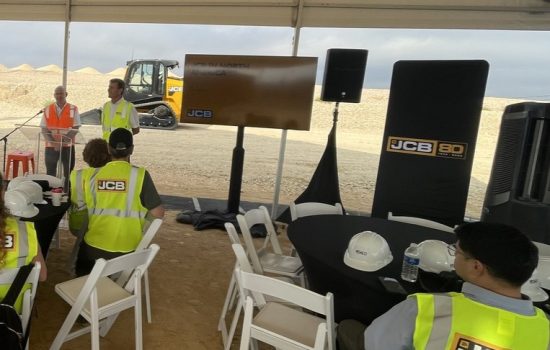
The record comes ahead of the opening of JCB’s new $500m factory in San Antonio, Texas, which will employ 1,500 people manufacturing machines for the US market.
Read more stories like this on our Sustainability channel