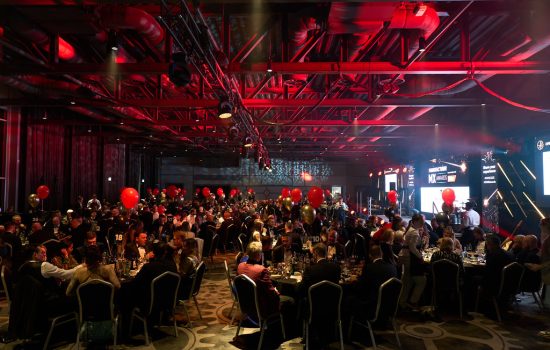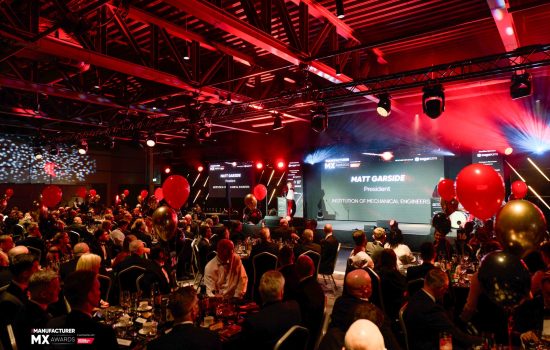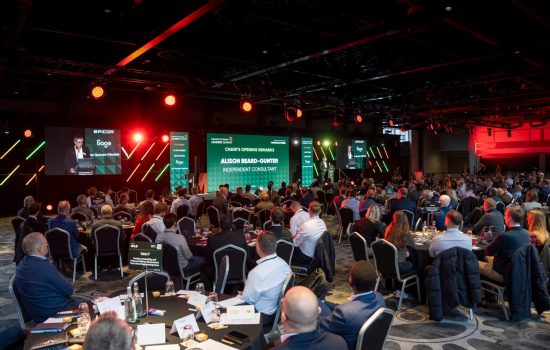
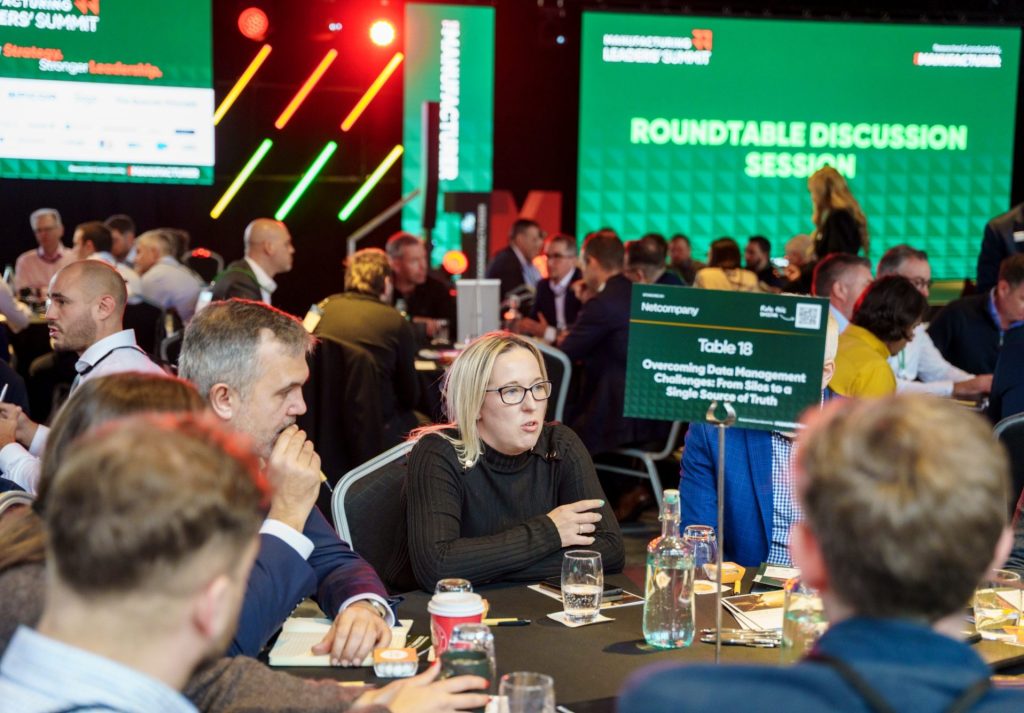
Now in its 17th year, Manufacturing Leaders’ Summit is the annual gathering of the industrial elite. Following a vibrant, interactive and collaborative first day, delegates gathered for round two on 12 November as experts from around the sector joined together to find answers to manufacturing’s big questions.
Here’s our key takeaways from day two’s keynote sessions and panel discussions.
Collaboration: The key to unlocking manufacturing value
Five years ago, John Robinson The Quorum Principle Managing Director experienced an epiphany — a sudden realisation that a systemic flaw runs through global manufacturing. Despite decades of investment and innovation, the industry continues to fall short of expectations. Across defence, consumer goods, life sciences and steel, manufacturers face the same challenge: fragmented systems and siloed thinking that prevent true transformation.
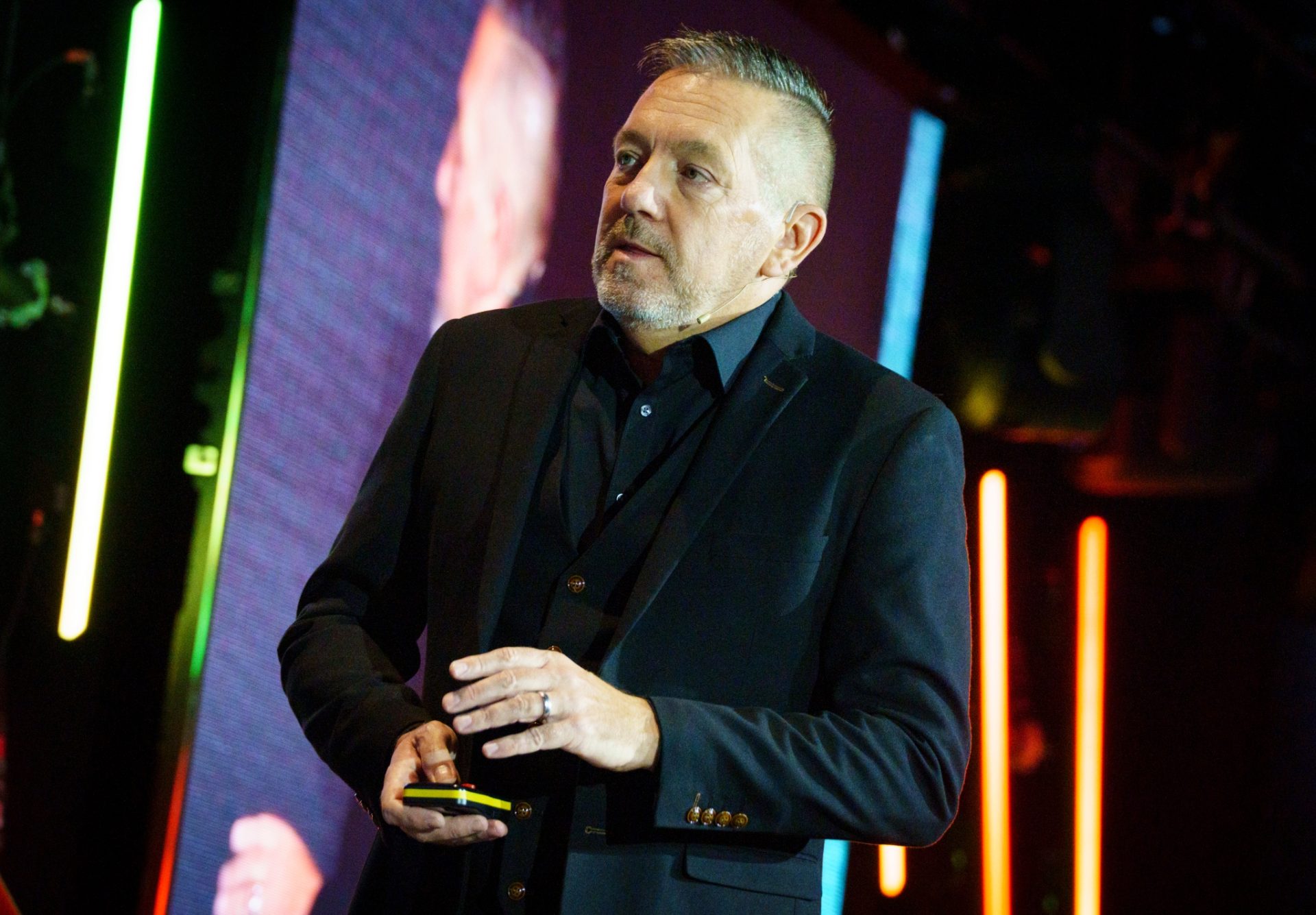
Over a 30-year career spanning shop floor to boardroom, John has worked across continents and industries, giving him a panoramic view of manufacturing’s dysfunction. Despite trillions invested in strategy, IT systems, automation and operational excellence, productivity and performance gains have stagnated. Harvard Business Review data since 1995 supports this, showing that most transformation efforts fail to deliver sustained improvement.
The root cause lies in deep internal and external silos. Within firms, IT, engineering and operations teams rarely collaborate effectively. Externally, suppliers, consultants and technology providers are equally fragmented – each addressing only part of the challenge. Manufacturing, being a complex system, cannot thrive under such isolation.
His proposed solution – the Quorum Principle – calls for breaking these silos through collaboration across entire ecosystems. Rather than fragmented efforts, manufacturers, technology firms and consultants must co-design integrated strategies that align business, operations and technology objectives. This collaborative model promises faster implementation, reduced costs and solutions that genuinely deliver value.
Following years of global advocacy, John has now launched the UK Manufacturing Initiative, which is now gaining government and industry support. With growing engagement from major associations and multinational partners, his vision aims to position UK manufacturing as a leader in collaborative transformation.
In closing, John urged leaders to embrace change: “For 30 years, we’ve done things the same way. To survive, we must evolve. As Darwin said – it’s not the strongest that survive, but those most adaptable to change.”
Keynote – Driving efficiency: how Hewland accelerated sustainability in motorsport manufacturing
Agnes Ragondet, Group Sustainability Director, Hewland (Hero Motors) explained how small and medium-sized enterprises (SMEs) can embed sustainability into their operations – even with limited resources.
Four years ago, the company began its sustainability journey with no dedicated budget or team. The goal was simple but ambitious: establish a sustainability baseline, design a strategy and demonstrate measurable short-term benefits. Using only free tools and public data, Hewland built a framework for change that is now transforming the company’s culture and performance.
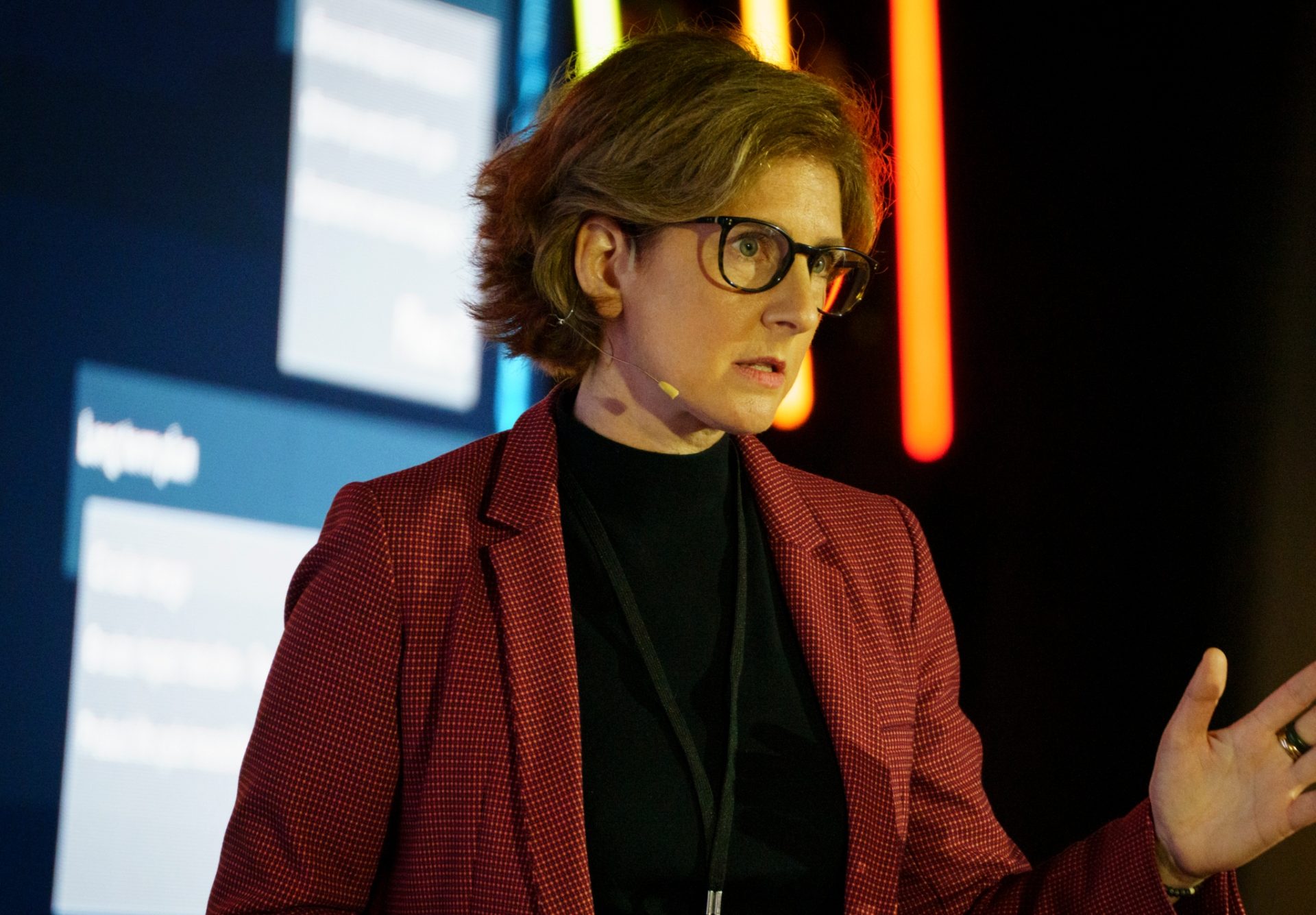
The process began with a lifecycle analysis (LCA) of the company’s best-selling products to measure carbon footprint. The study revealed that energy and water use were the largest environmental impacts, driven by design complexity and manufacturing processes. Using free digital tools, the company then mapped out business-wide sustainability performance – covering environmental, social and governance areas – to identify risks and opportunities across the value chain.
A clear sustainability roadmap followed, structured around three pillars: systems, organisation and climate action. Through this, the company implemented quick-win projects such as energy efficiency programmes that reduced energy consumption and downtime by 20%, saving approximately £350,000 annually.
The greatest challenge, Agnes noted, was cultural change which involved helping long-time shop floor teams to understand why sustainability matters. But once engaged, employees began driving improvement from within.
The key lessons for SMEs: start small, use free resources and integrate sustainability into the business strategy once its benefits are proven. As Agnes concluded: “Sustainability isn’t about big budgets – it’s about creativity, data and persistence. When it creates business value, it naturally becomes part of the company’s DNA.”
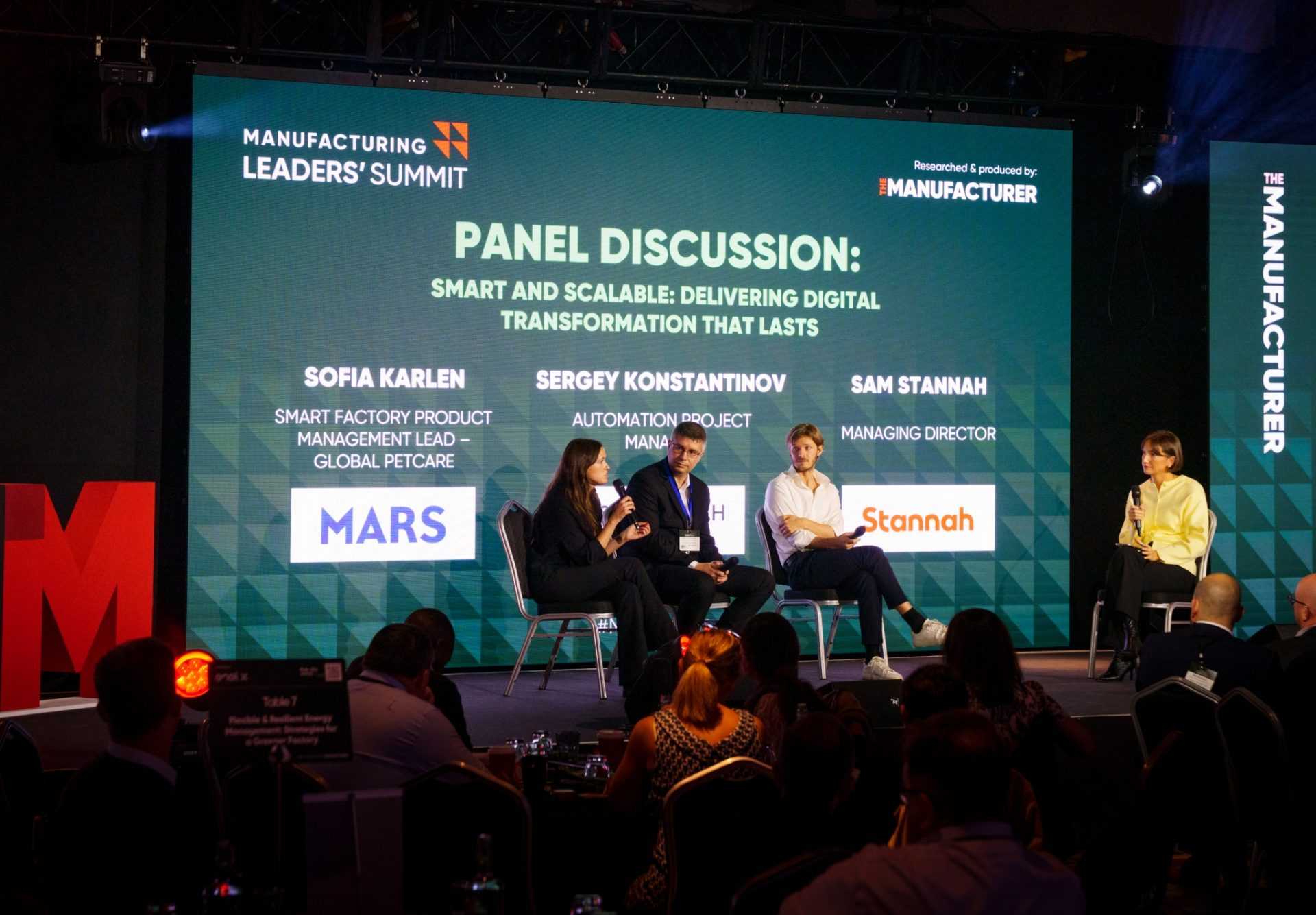
Panel Discussion – Smart and scalable: Delivering digital transformation that lasts
Sofia Karlen, Smart Factory Product Management Lead – Global Petcare, Mars
Sergey Konstantinov, Automation Project Manager, Samworth Brothers
Sam Stannah, Managing Director, Stannah Group
- Digital transformation starts with people, not technology. Every panellist agreed that cultural readiness and change management are the foundation of transformation. Without engaging employees — from leadership to the shop floor — even the best technologies will fail to take root.
- Clarity and communication drive alignment. Successful transformation programmes make complex ideas simple and relatable. As one panellist said: “If you can explain your transformation to an eight-year-old, you can explain it to everyone.” Clear communication helps everyone understand the “why,” not just the “what.”
- Balance standardisation with flexibility. Global manufacturers must find the sweet spot between having consistent frameworks and allowing local teams the autonomy to adapt. The consensus: standardise your approach, not necessarily your tools.
- Show, don’t tell — create visible success stories. Launching small, fast-moving “startup within” projects can demonstrate what’s possible and inspire larger change. Tangible wins build momentum, credibility, and belief across the organisation.
- Data quality and focus matter more than quantity. Transformations often fail under the weight of messy, inconsistent data. The advice: start with a clear use case, identify only the data that drives value, and build trust in its accuracy before scaling.
Keynote – Resilient leadership: Mental wellbeing strategies for the modern manufacturer
In a powerful and personal talk, Mental Health Leader, Petra Velzeboer explored how true leadership and mental health are inseparable, urging organisations to integrate well-being into everyday performance rather than treat it as a crisis response. Opening with an exercise that asks participants to share one thing they do to invest in themselves, Petra reframed mental health as a universal and active practice, not a taboo subject.
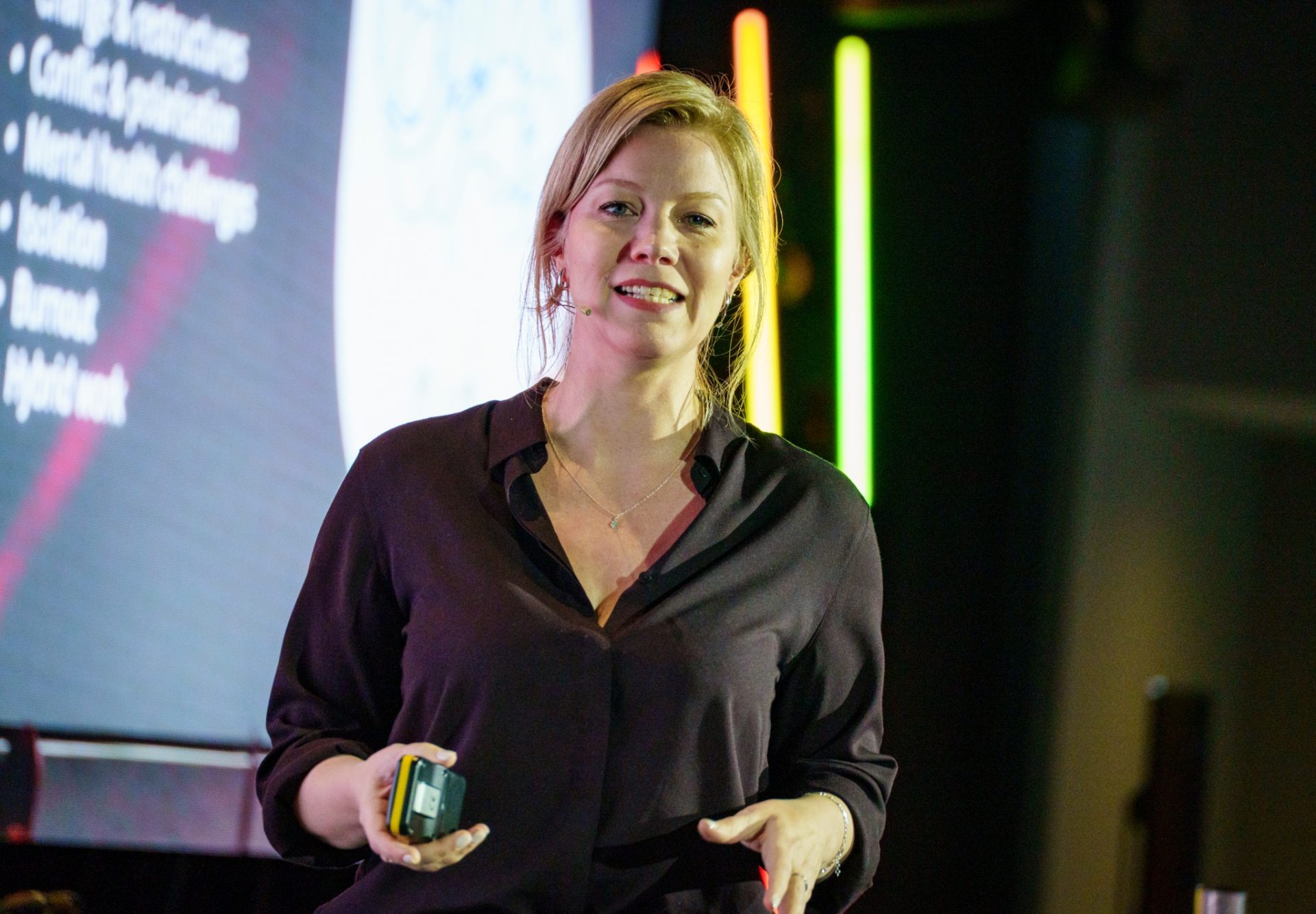
Drawing from her own history — including being raised in a controlling community and overcoming personal burnout — she reminded the audience that: “Everyone has a story we know nothing about.” Effective leadership, she argued, begins with empathy and the courage to be open about our struggles. Rather than waiting for employees to “fall off the edge,” leaders must create cultures of trust where people feel safe to speak up long before they’re in crisis.
A central theme is modelling behaviour: leaders must “show the way” by demonstrating the habits that sustain them — from digital boundaries to physical and emotional care — and by connecting those personal practices to high performance. The keynote also highlighted the growing importance of “digital well-being,” urging people to manage their technology use and reduce exposure to outrage and distraction.
The speaker closed with a call for vulnerability in leadership, quoting Brené Brown’s insight that “vulnerability is our greatest measure of courage.” In a time of constant change and uncertainty, the most effective leaders are those willing to admit they don’t have all the answers and to navigate challenges alongside their teams.
Ultimately, the message is clear: resilient leadership is not about toughness or control, but about humanity — investing in ourselves, fostering open dialogue and building workplaces where well-being and performance thrive together.
Keynote – AI: Transforming your ERP from a system of record to a system of action
In his keynote, Charlie Cornish, EMEA Pre Sales Director, Epicor Software outlined how AI is revolutionising the way Enterprise Resource Planning (ERP) systems operate – turning them from internal record-keeping tools into intelligent, connected ecosystems that drive agility and resilience.
Charlie began by reflecting on recent challenges for manufacturing – Brexit, COVID, supply chain instability, inflation and labour shortages – that have forced businesses to rethink how they manage operations. He noted that while digital transformation is now essential, many organisations still struggle with limited data visibility and the inability to act quickly. In fact, 79% of companies operate without full visibility of their tier-one suppliers, and nearly half fail to use most of their available data.
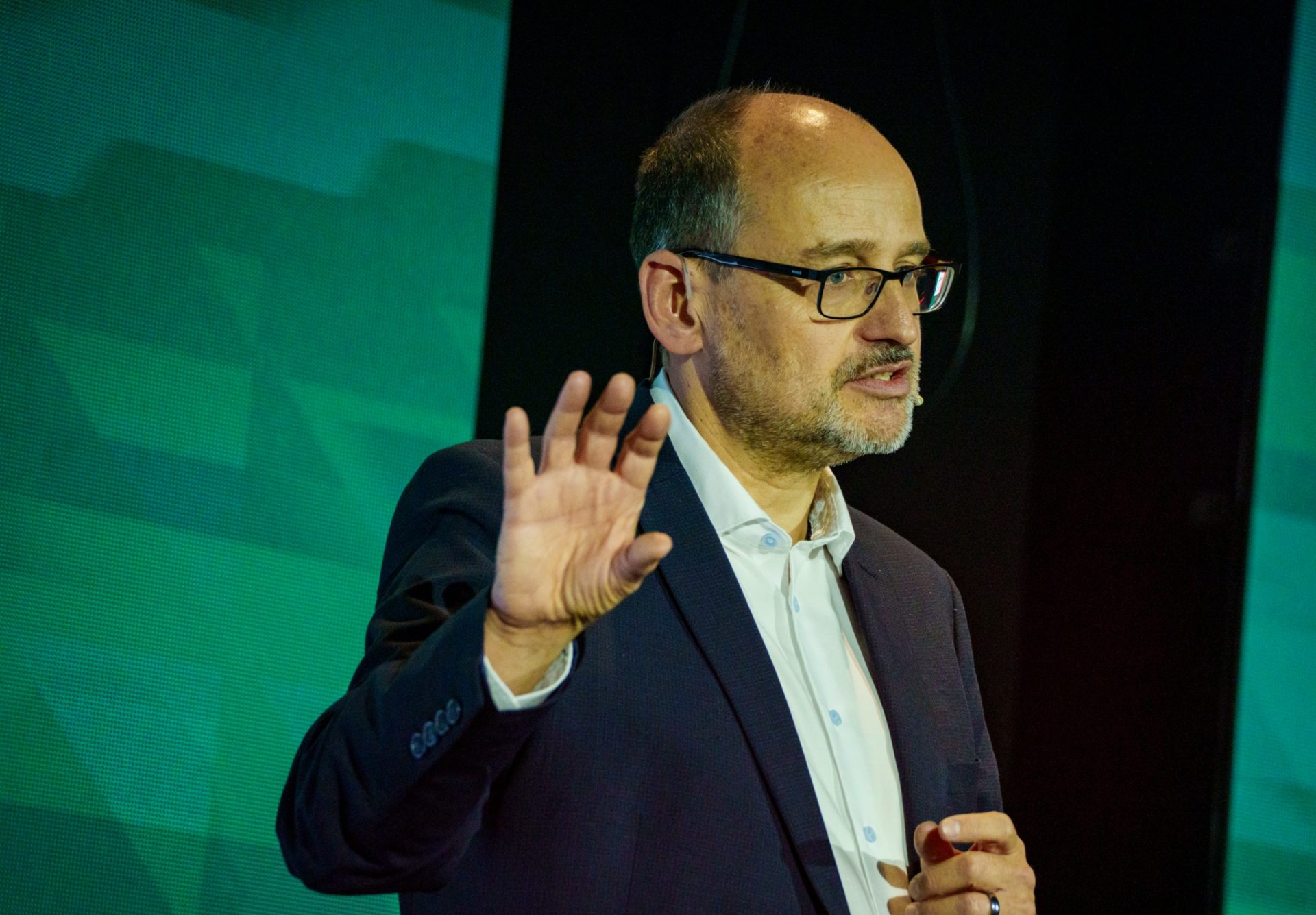
Epicor’s approach, Charlie explained, is to connect internal and external data systems through AI-driven platforms such as Epicor Prism and the Grow Data Platform. These tools use agentic AI and predictive machine learning to unlock “hidden data layers,” cleanse and interpret information and deliver actionable insights. The goal is to allow manufacturers to respond to disruption – like material shortages or supplier delays – in real time, securely and automatically.
Through live demonstrations, Charlie demonstrated how Prism can identify supply chain issues, suggest substitute materials, validate contractual terms and automatically send requests for quotes – all without human intervention. The Grow Data Platform then performs predictive “what-if” analyses, allowing manufacturers to test capacity scenarios and make confident, data-driven decisions.
Cornish concluded that ERP must now serve as the connective tissue not just within a company but across its entire ecosystem of suppliers and partners. By securely harnessing AI and understanding the provenance of data, businesses can achieve the holy grail of modern manufacturing – real-time insight, rapid decision-making and resilient, intelligent operations.
For further information on Manufacturing Leaders’ Summit visit the event website.