

As manufacturers race to meet increasingly urgent sustainability goals, a vital question arises: which sustainable technologies trend will truly make a meaningful impact? From smarter, more sustainable supply chains to the development of eco-friendly Li-ion batteries, achieving sustainability isn’t only about tomorrow’s breakthroughs – it starts with how we use technology today.
Key takeaways
- Improving existing technologies can deliver significant sustainability gains before adopting new solutions.
- Sustainable battery innovation is critical for electrification and renewable energy storage.
- Digital tools such as AI, blockchain, and advanced manufacturing can make supply chains more resource-efficient.
- Overcoming resistance to transformational change requires better decision-making frameworks and the right digital enablers.
FAQs
- What role does existing technology play in sustainability?
- Why are Li-ion batteries central to the sustainability discussion?
- How can supply chains become more sustainable?
- What’s the biggest barrier to adopting new green technologies?
In this feature, four leading voices from the University of Cambridge’s Institute for Manufacturing (IfM) share their perspectives on the most impactful technological shifts on the horizon. Their message is clear: while innovation is essential, the first step is often rethinking how we use what we already have.
Improving today before investing in tomorrow
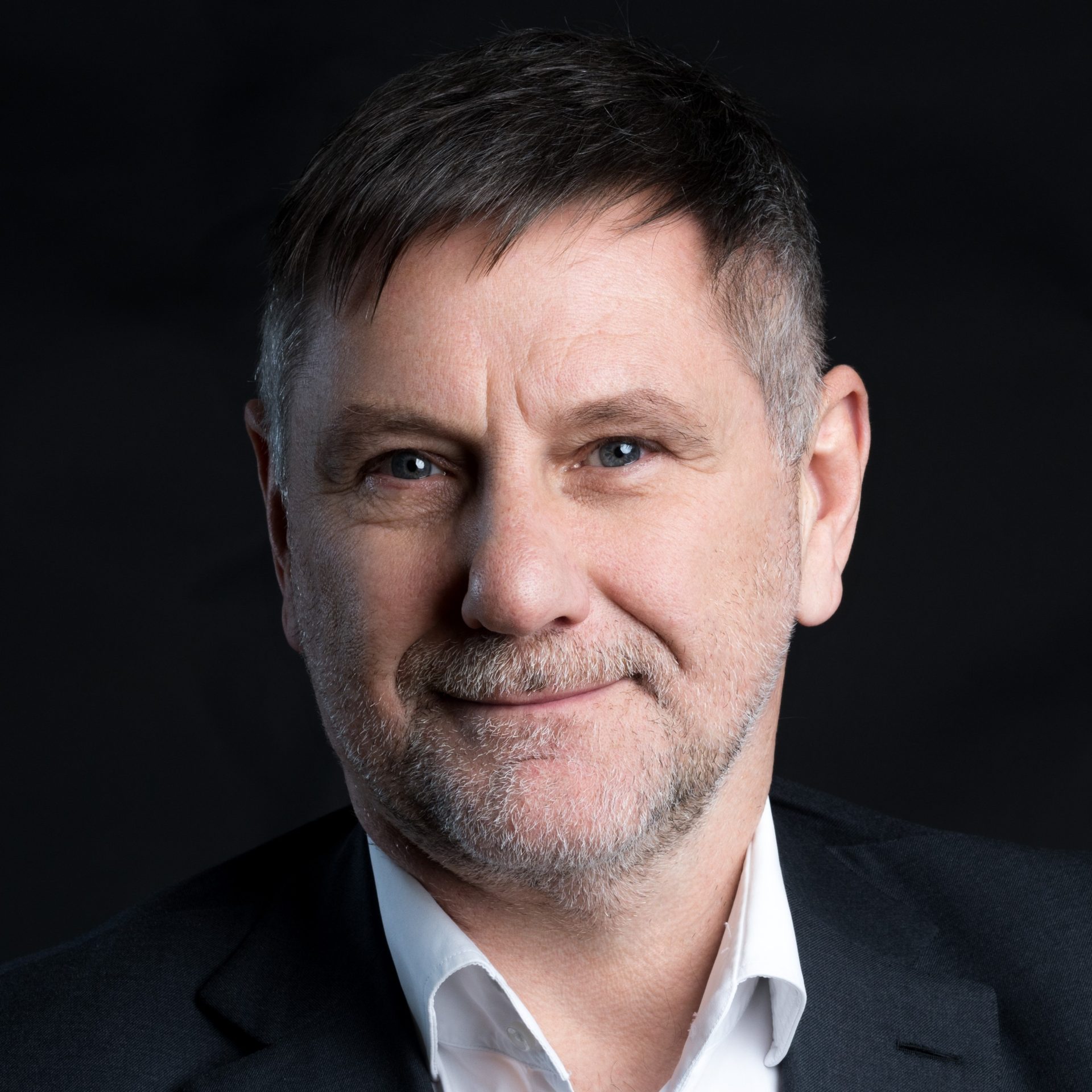
Professor Steve Evans Director of Research in Industrial Sustainability, IfM
“The first answer is that the most important focus should be to rapidly improve what we are doing today without buying new technology. This message shouldn’t be mistaken for anti-technology; it simply highlights that organisations can gain value from reviewing how existing technology can support their meeting of sustainability goals. “I’ve seen so many examples where organisations develop knowledge through this focus, making them more prepared and effective in selecting new technology solutions.
 “Organisations should also focus on current technology spending plans to ensure that each purchase is as energy/ water/material efficient as possible (and/ or that it allows for improvement in the future). Most of your future environmental footprint is decided by existing technology, so make sure that efficiency is a key selection criterion, so you make choices you are happy to live with in the future.
“In terms of a trend that aligns with this, the best place to focus is data innovation – it offers the biggest sustainability improvement for the least cost, and technologies that support sustainability data insights are rapidly evolving.”
Professor Steve Evans is Director of Research in Industrial Sustainability at the IfM and leads the IfM’s Sustainability Association. He has over 40 years of experience improving industrial performance through both academic leadership and direct industry engagement. A recognised thought leader in eco-design and industrial sustainability, Steve has advised UK and international governments, co chaired the parliamentary Manufacturing Commission, and contributed to global industrial policy.
Batteries and the future of electrification
Professor Michael de Volder Head of the Nanomanufacturing Group, IfM
“My current research focuses on the development of Li-ion and other battery technologies that are likely to play a very important role in climate-change mitigation, for instance by powering electric vehicles and storing renewable energy sources.
“Technology trends that will impact sustainability in this field are two-fold. On the one hand, we need to move away from battery chemistries that are unsustainable. Classic examples of this are the development of battery cathodes containing very little or no cobalt, and electrolytes that do not contain any perfluorinated additives.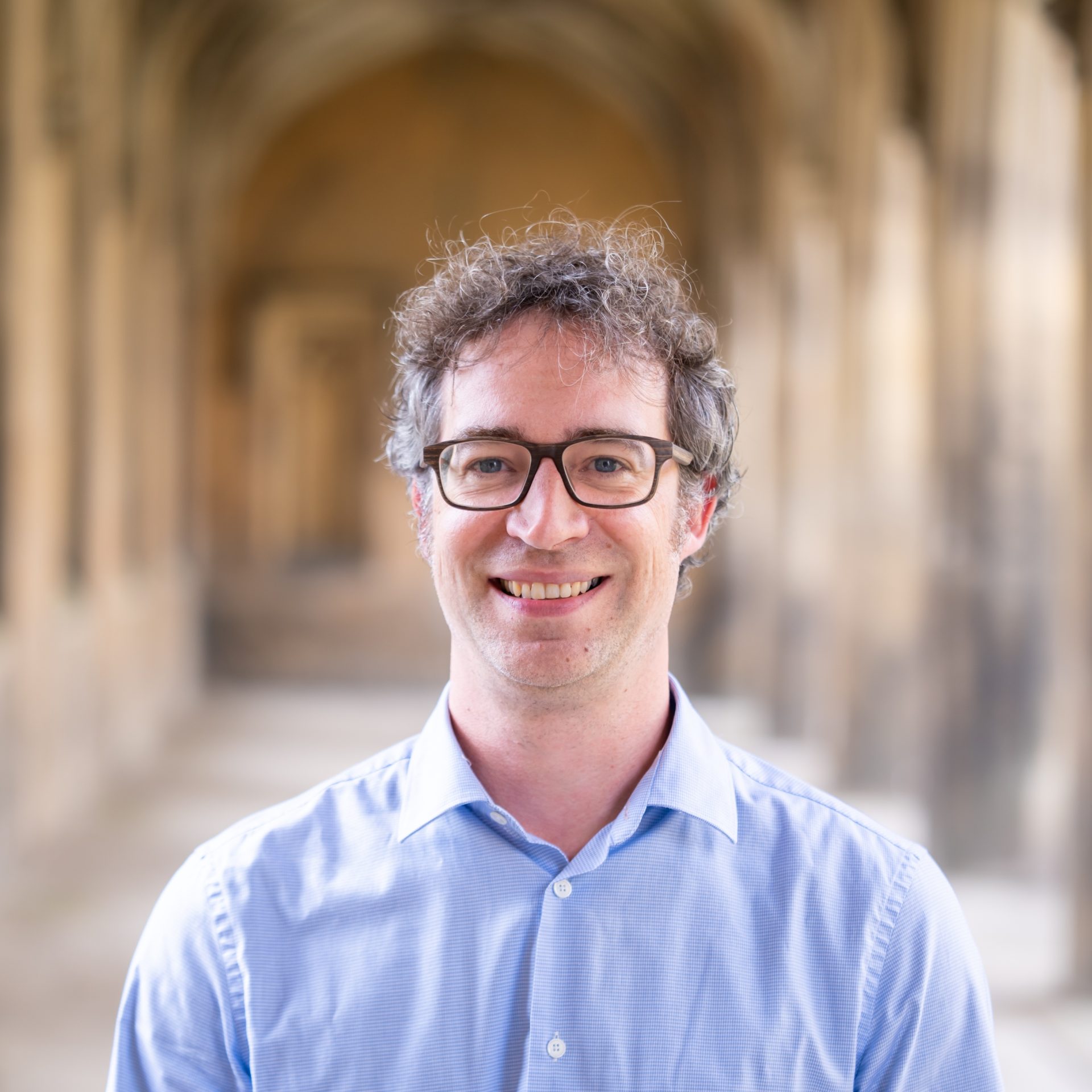
“On the other hand, the manufacturing processes for batteries are often energy intensive and rely on toxic solvents. Exciting new technological trends in this area include dry processing methods that do not require solvents and energy intensive drying steps. More generally, we are interested in fundamentally revisiting how battery electrodes are manufactured.
“Finally, extending the lifetime, and ultimately, recycling batteries needs to be studied more rigorously, to ensure that batteries become a more sustainable technology for electrification.”
Professor Michael de Volder leads the IfM’s Nanomanufacturing Group, focusing on scalable, sustainable battery technologies. The group is developing new scalable manufacturing processes for energy storage, with a focus on Li-ion and Zn-ion batteries. A key focus is on sustainability – extending battery life and using greener materials and methods. Prof De Volder’s is a Co-founder of Echion Tech.
Smarter, more sustainable supply chains
Dr Jagjit Singh Srai Director of Research and Head of the Centre for International Manufacturing, IfM
“Long-term technological trends show that advanced manufacturing technologies can create innovative product designs by utilising new production methods. This holds great promise in terms of resource efficiency. These advanced manufacturing technologies often involve less aggressive processing, making them both energy- and material-efficient. Other technologies that cover a broad  spectrum of digital tools, such as AI, blockchain and others, will enable us to gain visibility into demand and supply in our supply chain, allowing us to synchronise them more effectively. This, in turn, helps us to minimise waste and meet demand in the most efficient manner.
“As these innovations continue to evolve, their thoughtful integration into supply chain operations is becoming not just beneficial, but essential. What’s particularly valuable is the opportunity for supply chain leaders to come together to critically examine how these technologies are being applied in practice – what’s working, what’s not, and why?
“At the Cambridge International Manufacturing Symposium, I’ve seen first-hand how open dialogue between industry, academia and policymakers helps deepen our collective understanding of the strategic trade-offs involved in deploying new technologies. It’s not about promoting solutions; it’s about co-creating insight that supports better decision-making across diverse supply chain contexts.”
Dr Jag Srai has extensive experience leading large-scale complex research projects comprising multiple stakeholders across industry, academia and public bodies. His research centre brings an engineering and strategic operations management perspective to the design, analysis and operation of international supply chains and the impact of advanced production and digital technologies. Through major collaborations with industry (individual firms and consortia), primarily in the healthcare and food/FMCG sectors, his research findings have directly underpinned major organisational change.
Sustainable technologies and overcoming resistance to change
Dr Letizia Mortara Head of the Decision-making for Emerging Technologies Group, IfM
“Many promising technologies that may support transitioning to greener economies are emerging. Models have been proposed to help companies create value in ways that mitigate environmental pollution. However, adopting these solutions can be costly, and the potential benefits may seem distant and uncertain. The temptation is strong to go with the old saying – “if it ain’t broken, don’t fix it”… and to favour incremental change.
“This resistance to change is understandable. Transformational shifts challenge established practices and require reimagining the fundamental nature of operations. Yet, change is possible. The rapid adaptations seen during the COVID-19 crisis – when businesses restructured value creation and rapidly adopted new technologies – demonstrate that large-scale transformation can occur under pressure. However, waiting for a crisis to prompt such change is far from ideal.
“Our work at the IfM’s Decision-Making for Emerging Technologies group aims to develop methods to support those who take hard decisions, to minimise their efforts towards transitioning towards new business models and the adoption of emerging technologies. Our goal is to reduce the cognitive and organisational barriers that hinder transitions toward innovative models. Specifically, we explore how digital technologies such as augmented and virtual reality (AR/ VR) and artificial intelligence (AI) can be integrated into decision-making processes to configure more effective and less cognitively taxing change experiences.”
Dr Letizia Mortara is an innovation and technology management expert at the University of Cambridge, where she leads research on how businesses can make smarter decisions when adopting emerging technologies. Letizia’s research covers themes like open innovation, technology intelligence and offers practical strategies for industries facing the pressures of digital transformation.
Final thoughts
Sustainability is not simply about chasing the latest breakthrough. As the experts from the University of Cambridge’s IfM make clear, the real game-changer may be how effectively organizations use, adapt, and evolve their existing technologies — while preparing for the next wave of innovation.
Further reading
-
The Circular Economy and Sustainable Manufacturing – POST (UK Parliament)
-
Sustainability and Net Zero in Manufacturing – High Value Manufacturing Catapult
-
Materials and Manufacturing Vision 2050 – Innovate UK / IUK Business Connect
-
Becoming a Sustainable SME Manufacturer – British Business Bank
For more articles like this, visit our Sustainability channel.