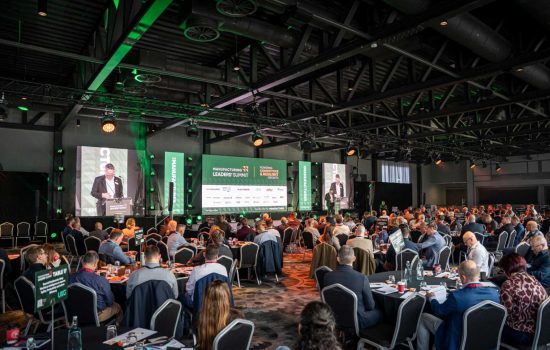
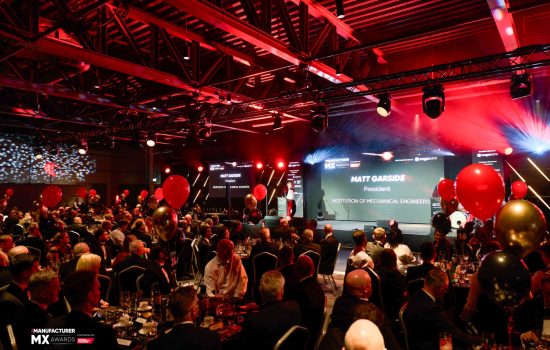
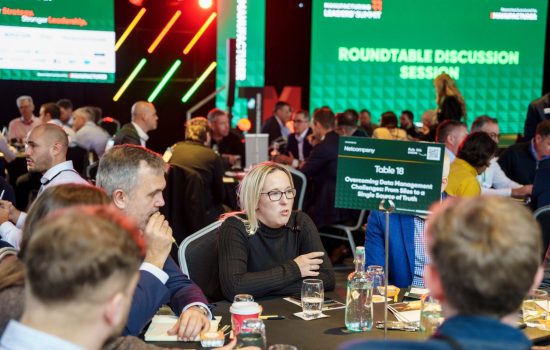
Following on from a successful first day, Manufacturing Leaders’ Summit 2026 day two, was just as vibrant and bustling as delegates gathered for a second day of collaboration, cooperation and conversations.
Introducing day two, much of which centred around productivity, people and skills, event Chair Alison Beard-Gunter asked the question: “How do we create more moments where people can bring their natural drive, creativity and problem-solving skills to work?”
Keynote: Operational excellence is a daily habit, not a programme
Most manufacturers have an operational excellence programme; but it often is absent from the factory floor. Standards sit in binders, losses are logged on paper, and leaders often work from yesterday’s numbers rather than what is happening on the shop floor. Rodrigo Martinez, Senior Solutions Consultant, Poka shared his thoughts on how to turn operational excellence into a daily habit.
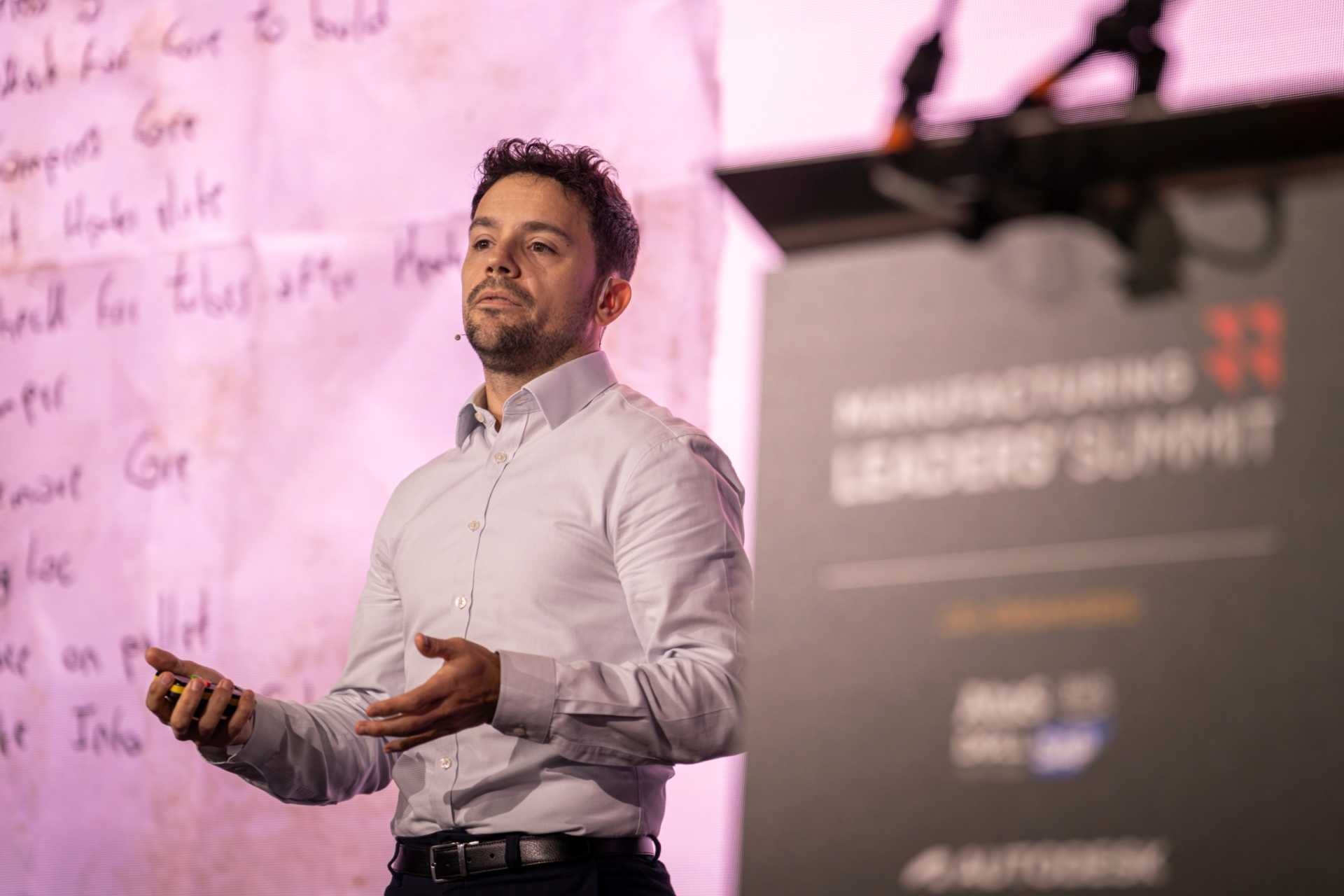
Rodrigo drew on 15 years of manufacturing experience, explored why operational excellence programmes often fail to deliver their full potential on the shopfloor. His central message was that successful transformation must be built around the needs of operators, rather than simply pushing programmes and processes down to them.
He highlighted three common challenges: work instructions and standards being inaccessible when needed, operational data being captured on paper and reviewed too late to support decisions, and valuable knowledge being lost when experienced employees leave.
He proposed three key habits to address these issues:
-
Accessible standards: Make work instructions, equipment knowledge and best practices available to operators at the point of need.
-
Live operational data: Move away from paper-based reporting towards real-time information that enables teams to identify issues and act immediately.
-
Shared learning: Capture lessons learned and successful practices, making them accessible across teams and sites to support continuous improvement.
Using a global packaging manufacturer as an example, he demonstrated how organisations can combine global standardisation with local flexibility, allowing individual factories to adopt practices that suit their needs while maintaining consistent standards.
His final message was that AI should support decision-making, not replace people. Before introducing AI, manufacturers must establish strong foundations, accessible information and reliable processes.
The takeaway: Get the basics right first. Build strong foundations, empower people and then use technology and AI to accelerate operational excellence.
Operational excellence needs to be built around what the shop floor needs, not simply pushed down as a programme…
If your data lives on paper, even AI won’t be able to work with it.
Keynote: Winning the talent and leadership challenge in manufacturing
With skills shortages, changing workforce expectations and pressure to improve performance, manufacturers are under pressure to attract, develop and retain the people they need to succeed. Philippa Glover, former Managing Director at Rakem Group, stressed that salary is only part of the equation, and the ability to unlock the potential of people can be a decisive competitive advantage for any business.
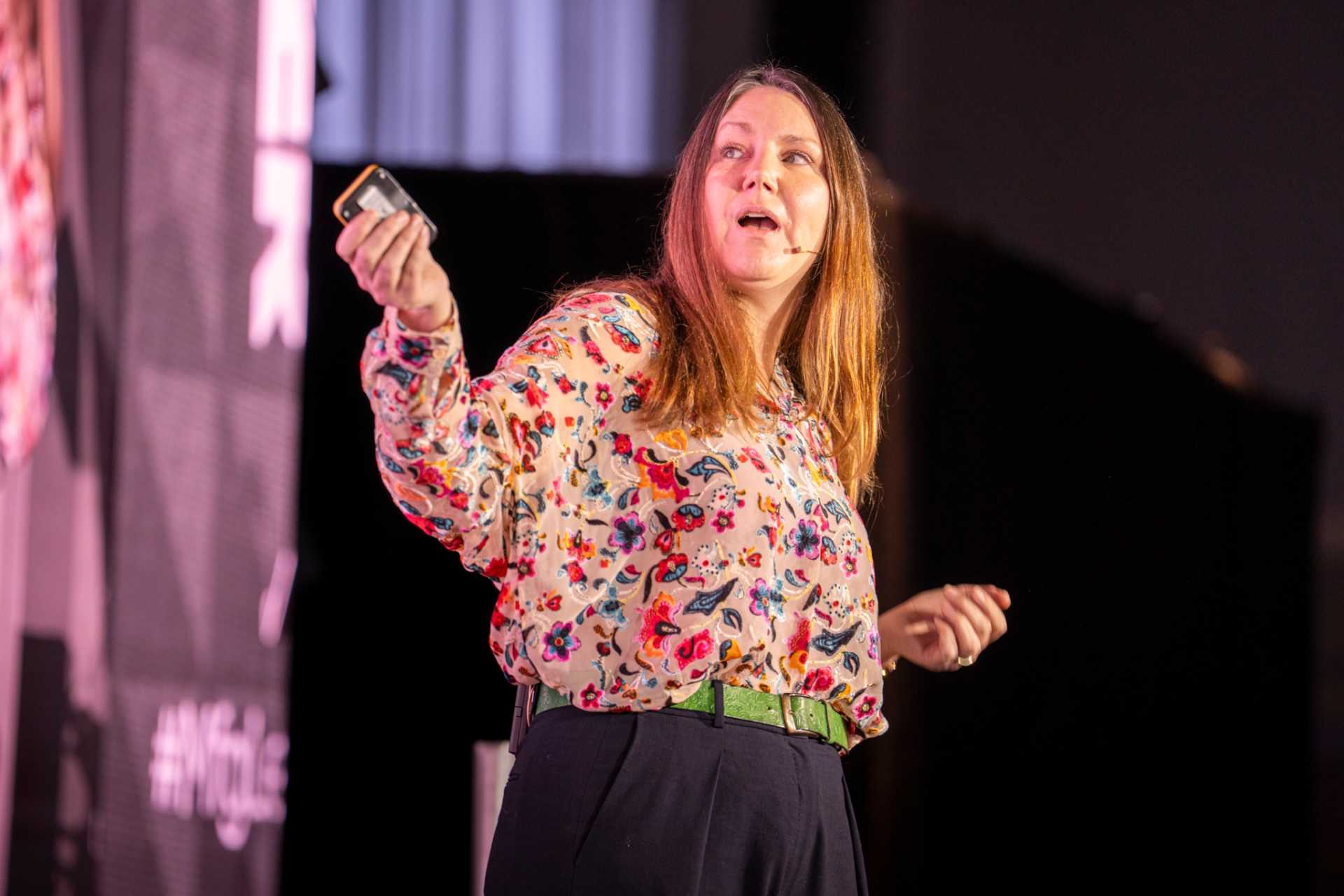
Philippa’s keynote focused on the importance of people as an organisation’s greatest competitive advantage, arguing that winning the talent and leadership challenge doesn’t require complicated frameworks, but a commitment to getting the fundamentals right.
The speaker highlighted the growing challenges of attracting and retaining talent, particularly as experienced employees retire and valuable knowledge is lost. Leaders need to understand what motivates individuals, recognising that salary is only one part of the equation. People also want supportive leaders, opportunities to grow, recognition, honesty, belonging and purpose.
A key message was to recruit beyond traditional qualifications, recognise hidden talent within existing teams and unlock potential through coaching, development and honest conversations. Leaders should empower employees by giving them problems to solve rather than always providing the answers.
The keynote also emphasised the importance of addressing toxic workplace behaviours, investing in leadership training and taking succession planning seriously. Future leaders need to be identified, developed and given opportunities well before vacancies arise.
Finally, Philippa encouraged leaders to build supportive networks and create safe spaces to share challenges and learn from others.
The takeaway: People are the real superpower of any business. By understanding what matters to them, investing in their development and creating an environment where everyone can thrive, organisations can build stronger, more resilient businesses without necessarily having the biggest budgets.
As leaders, what we tolerate, we teach. And if we tolerate behaviours that aren’t aligned with the culture we’re trying to build, then that’s the culture we’re creating, whether we intend to or not.
We never put someone on a machine without training. So, why would we put people in charge of people without it?
Panel: The Productivity Paradox: Why are manufacturers still struggling to get more from what they have?
Manufacturers are investing in technology, automation, skills and continuous improvement, yet productivity remains a persistent challenge. With pressure to increase output, control costs and improve performance without simply adding more people or capital, are manufacturers making the right changes? This panel – which included Chris Greenough, Westley Engineering, Joy Naylor, Eurocell and Julie Gledhill, JLR – explored what is really holding productivity back and what businesses need to do differently to unlock the capacity and performance already within their operations.
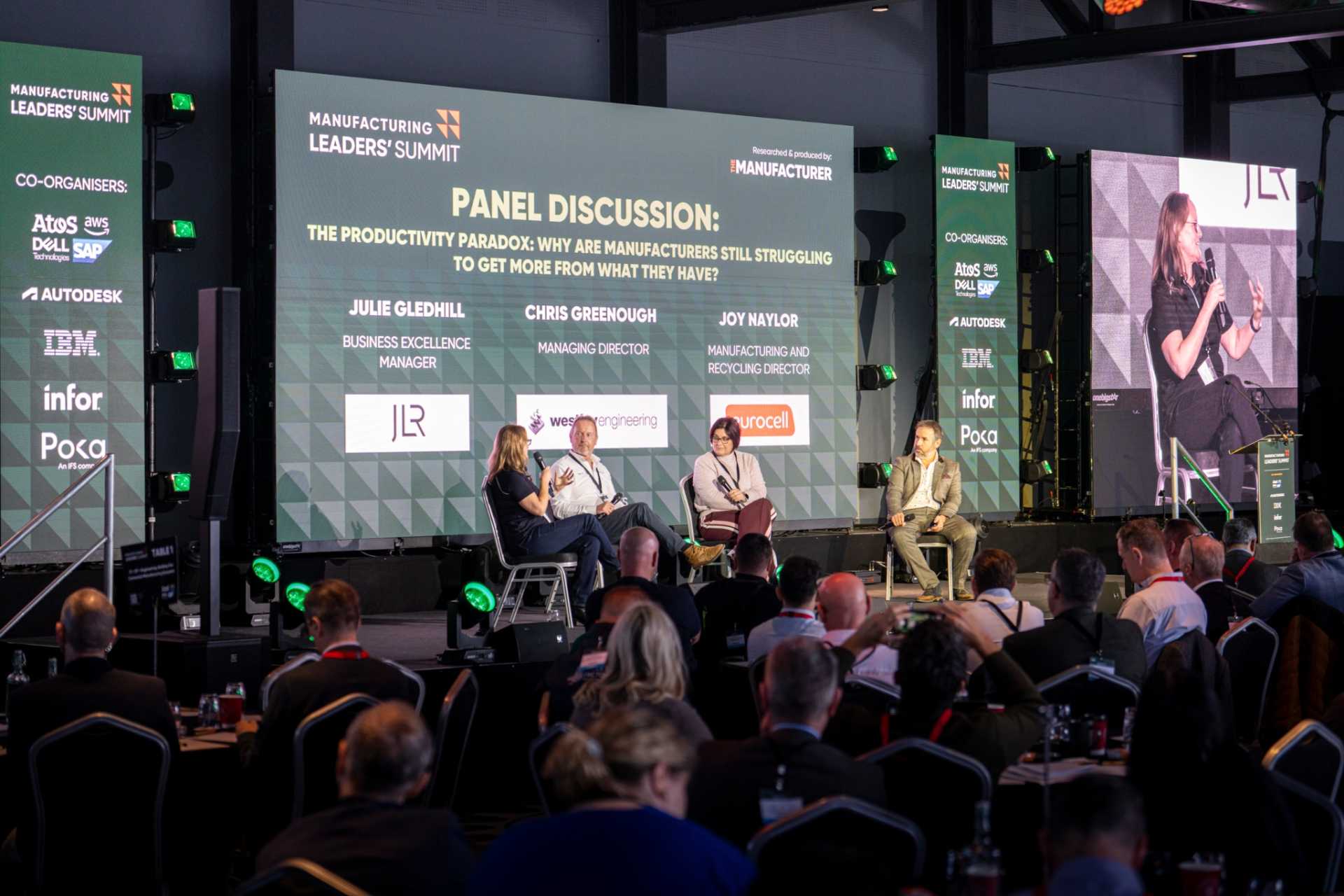
A key message was that productivity should be considered across the entire organisation, not just manufacturing, and that improvements must be driven by engaging employees at every level.
Panellists emphasised the importance of listening to shopfloor teams. Setting arbitrary productivity targets can encourage the wrong behaviours, while clear objectives and meaningful, joined-up KPIs help organisations focus on genuine value creation.
Process improvement should come before investment in technology, automation or AI. Mapping processes, identifying bottlenecks, eliminating waste and establishing consistent working practices are essential foundations. Technology should enable and accelerate improvements, rather than automate inefficient processes.
The discussion also highlighted the importance of embedding changes, standardising improvements and avoiding the temptation to move too quickly to the next initiative. Cross-functional collaboration and breaking down departmental silos are vital to improving end-to-end performance and reducing duplication and rework.
Practical examples included reducing production scrap through regular performance reviews, introducing live machine monitoring and improving end-to-end inspection processes.
Ultimately, sustainable productivity gains depend on investing in people, building the right culture, using data effectively and adopting technology to solve clearly defined business problems.
Keynote: When cyber becomes physical – is manufacturing read for the frontier AI era?
Every second, around 24 P&G products are sold in the UK. Delivering consistently at that scale requires more than manufacturing efficiency. It demands a resilient, connected supply chain that can respond to changing consumer needs while preparing for what comes next. Terry Bebbington, Head of Cyber Security UK&I, Atos, explored how a consumer-first approach is shaping innovation, technology, skills and supply chain resilience and what other manufacturers can take from that experience.
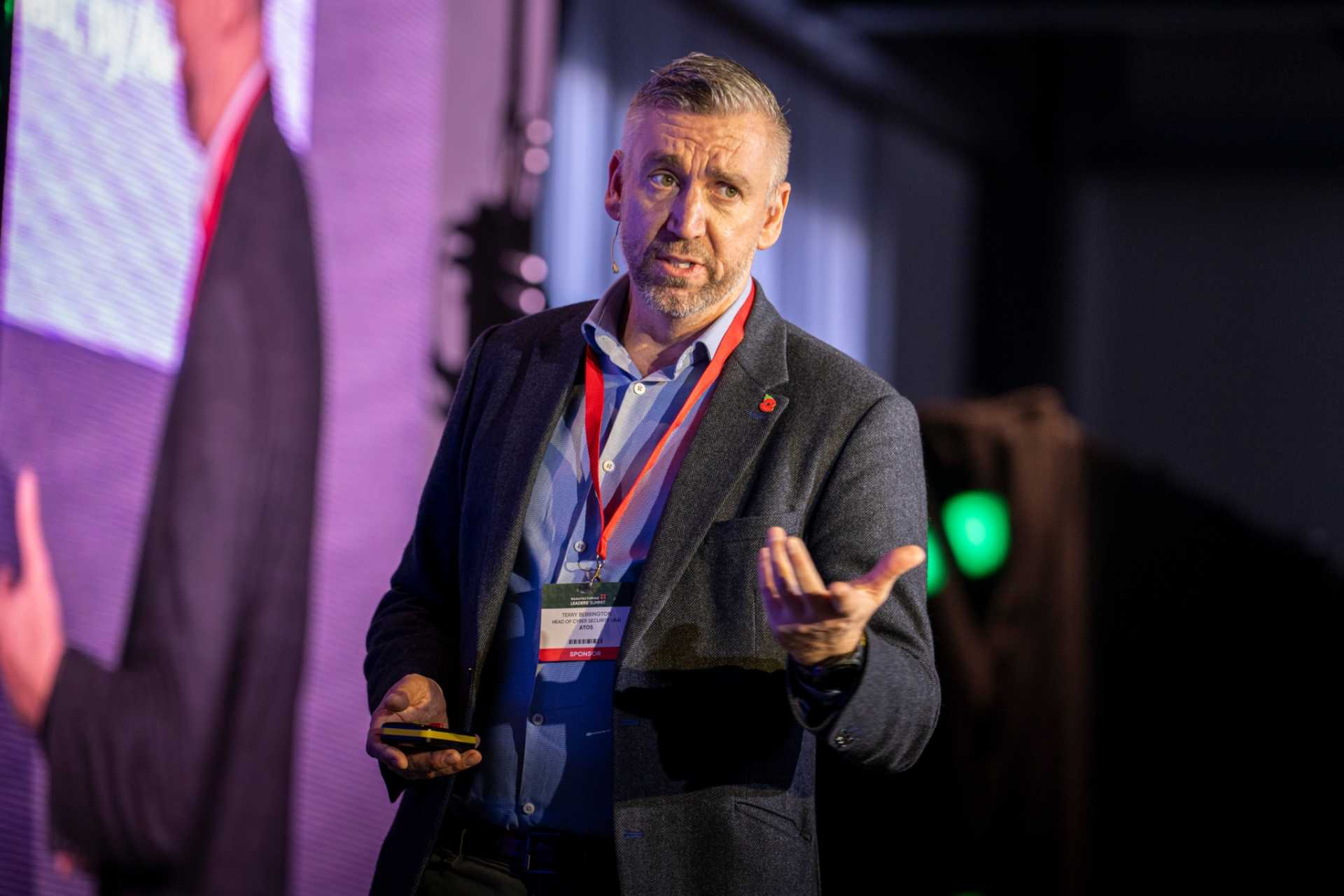
Terry’s keynote explored the growing impact of AI on cyber security, particularly within the UK manufacturing sector, and highlighted the need for organisations to proactively strengthen their defences.
He emphasised that the UK is relatively well-positioned to tackle emerging cyber threats, with organisations already investing in AI-supported security capabilities. Drawing on lessons from the JLR cyber incident last year, he explained how AI can improve threat detection and help organisations anticipate increasingly sophisticated attacks.
A key concern is that AI is lowering the barrier to entry for cyber criminals, enabling them to develop more advanced attacks with fewer resources. Supply chains, legacy IT systems and operational technology (OT) environments are particularly vulnerable, especially where patching and downtime are difficult to manage.
The speaker outlined several practical recommendations: understand organisational exposure using AI-driven tools, automate vulnerability detection and patching, strengthen supply chain security, and use digital twins to simulate attacks without disrupting production.
He also highlighted emerging UK cyber security regulations, including increased supply chain accountability and early incident reporting requirements, alongside opportunities for government investment.
The key takeaway: manufacturers must move beyond traditional cyber security approaches, embrace AI-enabled defence, and take proactive steps now to build resilience against increasingly sophisticated cyber threats.
There are some very smart people in the UK working on this challenge for your benefit. So, it’s not all doom and gloom. There are people out there who are taking this issue seriously and have done something about it.
Keynote: You can’t transform a factory without transforming how you lead
Chris Campbell, Goodwin Group‘s Business Project Manager shared the lessons from inside the business around why successful manufacturing transformation starts with people, not technology. Through practical leadership reflections and examples from a heavy engineering environment, Chris discussed the importance of respecting existing expertise, removing barriers to improvement and connecting people, processes and technology to create sustainable operational excellence.
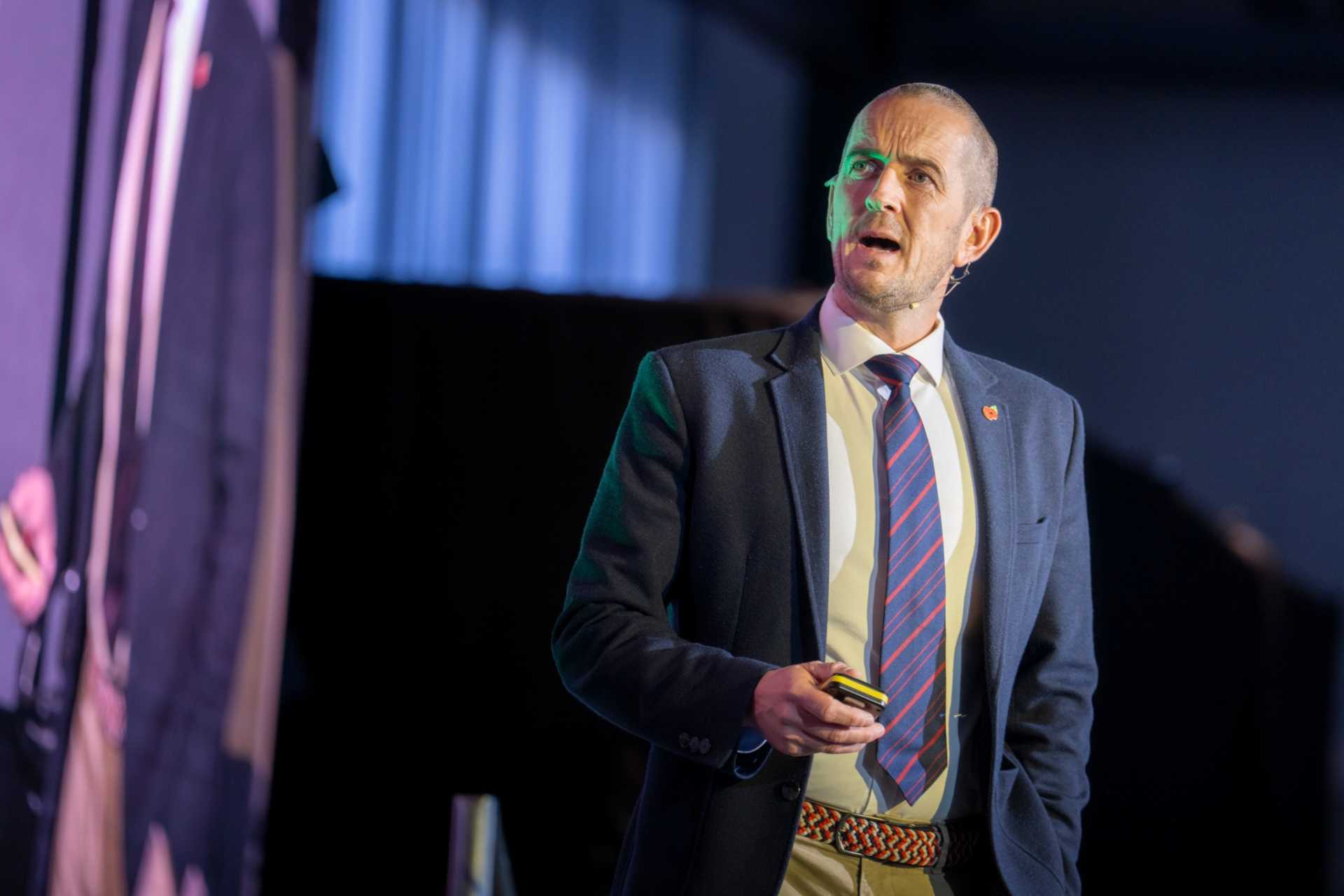
Chris’ keynote explored the importance of people-centred leadership in driving cultural change, and delivering successful digital transformation within manufacturing organisations.
Drawing on his transition from a senior military leadership role into Goodwin International, he explained how traditional leadership approaches do not always translate into a factory environment. His biggest lesson was learning to step back, listen and understand employees rather than simply issuing instructions.
He highlighted a significant gap in formal leadership training, revealing that only six of 76 managers surveyed had received structured management or leadership development. He argued that successful engineering starts with good people, and leaders must invest time in understanding, supporting and developing their workforce.
The keynote outlined three priorities for transformation: people, processes and technology. This included introducing formal leadership training, multi-skilling employees (with a quarter of the workforce now able to perform four different roles), and improving processes through regular shopfloor engagement.
The introduction of machine-monitoring technology and visual dashboards reportedly delivered a 15–25% productivity improvement. However, Chris also stressed that technology alone cannot drive change; effective leadership is essential to interpreting data and engaging employees.
His central message was: get out of the office, listen to your people, challenge established practices and never stop learning. Successful transformation starts with leadership, not technology.
Good leadership is the only thing that’s going to interpret your data and get people to start twisting the dial the way you want it.
If you’re not learning as a senior executive, as a leader, as a manager, as somebody responsible for people under your charge, you’re failing.
Keynote: Building resilient operations in an uncertain world
In an increasingly unpredictable global environment, manufacturers face growing challenges ranging from supply chain disruption and economic uncertainty to rising energy costs, changing customer demands and technological change.
Building operational resilience is no longer simply about managing disruption; it is about developing the agility, adaptability and capabilities to respond to uncertainty while maintaining performance and competitiveness.
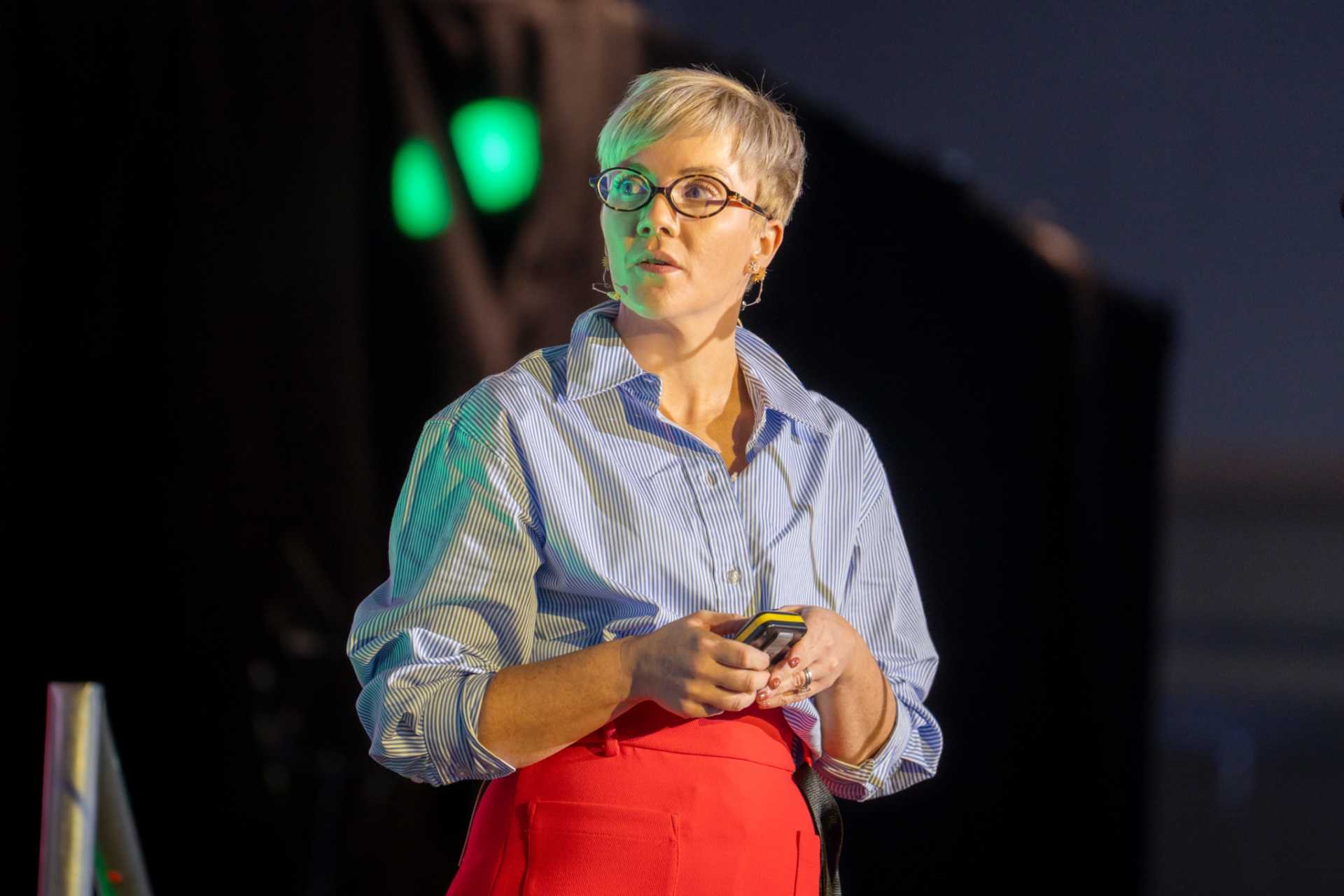
Christina Wolger, Siemens Congleton’s Head of Procurement explored how manufacturers can build resilient operations in an increasingly uncertain global environment, using Siemens Congleton’s experiences as an example. She highlighted challenges facing UK manufacturing, including economic uncertainty, geopolitical instability, supply chain disruption, skills shortages, rising energy costs and the rapid emergence of AI.
The central message was that technology alone does not create resilience; people, culture and leadership are the foundations of long-term success.
The speaker shared two examples of successful transformation. The first involved developing a new configurable product platform, expanding from approximately 750 to more than 25,000 variants in just nine months. Digital twins, simulation and connected enterprise systems enabled the transformation, but collaboration between engineering, IT and manufacturing teams made it possible.
The second example focused on navigating post-pandemic supply chain volatility. Through organisational restructuring, improved accountability and employee involvement, the business became more agile and responsive. More than 25% of the workforce contributed directly to improvement projects.
Looking ahead, AI, advanced analytics and digital twins offer opportunities to improve forecasting, visibility and decision-making. However, organisations must invest in skills, empower employees and build strong supplier relationships.
The closing message was clear: resilient manufacturing depends on combining digital innovation with engaged people, strong leadership and a culture of continuous improvement.
Resilience is not about resisting change. Resilience is the ability to adapt to change and transform it into an opportunity. Technology should never be something that just happens to people. Technology should be something that enables people to achieve more than they thought was even possible.
For further information on Manufacturing Leaders’ Summit visit the event website.